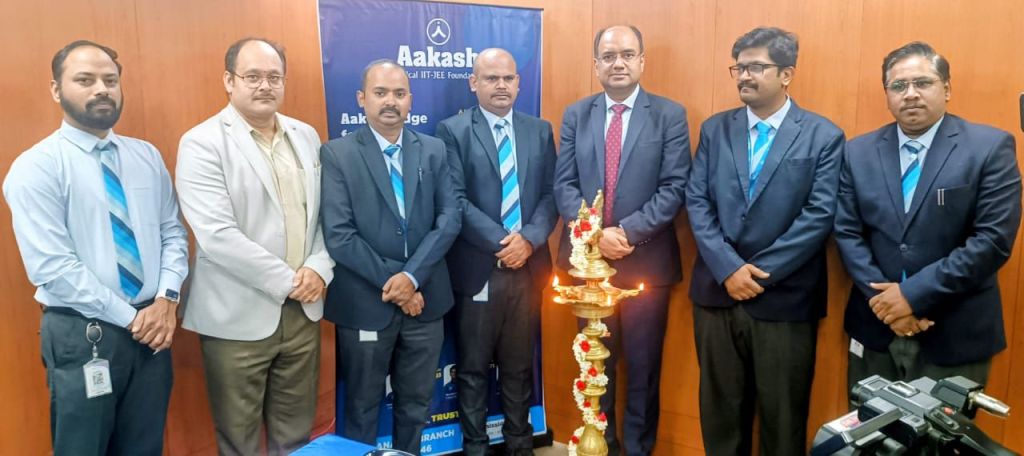
Bengaluru, April 2026: Students of Aakash Educational Services Limited (AESL) in Karnataka have recorded a strong performance in the Joint Entrance Examination (JEE) Main 2026, underlining consistent academic preparation and disciplined study practices across centres.
Adarsh Kumar Behera emerged as the State’s top performer from AESL, securing All India Rank (AIR) 43 and Karnataka State Rank 2. He also achieved a perfect 100 percentile in Mathematics and Chemistry, reflecting a high level of subject proficiency.
In Session 2 of JEE Main 2026, several other AESL students from Karnataka featured among the top ranks nationally. Pranil Singla (AIR 211), Ayush S. Kolekar (AIR 276), and Naman Agarwal (AIR 785) were among those who secured positions within the top 1,000.
A wider pool of students, including Aditya, T.R.S. Sanjeet, Johann Job, Gudala Satya Yashaswi, and Prachet Jalashankar M., also delivered notable performances, indicating a broad base of academic strength across the State.
According to results released by the National Testing Agency on April 20, around 15 students from AESL centres in Karnataka performed well in Session 2, with several qualifying for the next stage, JEE Advanced.
Dheeraj Kumar Misra, Chief Academic and Business Head at AESL, said the results reflected the students’ sustained effort and the effectiveness of structured academic programmes. He noted that consistent practice, mentoring, and periodic assessments played a key role in helping students identify learning gaps and improve performance over time.
Students attributed their success to rigorous training, regular mock tests, and guidance from faculty, which helped strengthen conceptual clarity and exam readiness.
JEE Main, conducted by the National Testing Agency, is a gateway for admission to premier institutions such as the National Institutes of Technology (NITs), Indian Institutes of Information Technology (IIITs), and other centrally funded technical institutions. It also serves as the qualifying examination for JEE Advanced, required for entry into the Indian Institutes of Technology (IITs).
“The 99% Illusion: Rethinking Cut-Off Culture in Indian Education“ By Dr. Kiran Jeevan
There is something disquieting about the trajectory of higher education in India today. With every admission season comes the familiar frenzy over soaring cut-offs-95%, 98%, 99%, and, increasingly, a perfect 100%. These figures are not merely benchmarks, they have become symbols of prestige, celebrated and pursued with near-obsessive intensity. Yet, beneath this fixation lies a question that remains largely unaddressed: what, truly, is the purpose of education?
As a student, I once heard a Jesuit priest, Father Ambrose, pose a simple yet profound question: “Education is not for the toppers-they will find their way. But what about the rest?” At the time, its significance escaped me. Today, it resonates deeply, exposing a fundamental ethical gap in our education system.
By contemporary standards, I was an average student, scoring between 65% and 70%. In today’s climate, such marks would likely shut the doors of many reputed institutions. Yet, I went on to build a meaningful career and life. This is not an exception, but a reminder that human potential cannot be compressed into a number on a marks card.
What we are witnessing now is not merely the pursuit of excellence, but a systemic overvaluation of percentages. Institutions, driven by rankings and perception, project high cut-offs as indicators of quality. Frameworks like national rankings reinforce this narrative, creating a self-perpetuating cycle: higher cut-offs attract more applicants, which in turn inflate the thresholds further.
This raises an uncomfortable question. When access to quality education is determined by narrow numerical filters, what becomes of the vast majority who fall short? Are they inherently less capable, or are they simply victims of a limited evaluative framework? A significant proportion of students-those scoring 60%, 70%, or even 80%-find themselves excluded from institutions that claim to represent excellence. This exclusion is not merely institutional, it is deeply personal. Over time, students internalise these rejections, equating marks with self-worth, scaling down ambitions, and questioning their abilities. What begins as an academic metric becomes a psychological burden.
The consequences are visible. Reports from national agencies and global health bodies have consistently pointed to rising mental health concerns among students, many linked to academic stress and performance anxiety. When education turns into relentless competition, it ceases to nurture growth and instead breeds fear.
At a broader level, this narrow definition of merit comes at a national cost. India, with its vast demographic diversity, cannot afford to overlook talent that does not conform to exam-centric evaluation. Qualities such as creativity, resilience, leadership, and innovation-crucial for societal progress-are rarely reflected in board percentages. Often, they emerge from individuals who have navigated challenges and setbacks.
This brings us back to the central question: what is higher education meant to achieve? Is it a reward mechanism for those who excel in examinations, or a transformative space that nurtures potential and fosters critical thinking? If it is the latter, then the current obsession with cut-offs represents a serious distortion.
Education, at its core, must be inclusive. It should open doors, not close them. It must recognise potential in varied forms, rather than dismiss it through rigid numerical thresholds. When institutions prioritise cut-offs over capability, education risks becoming transactional rather than transformative.
There is also an underlying reality that merits attention. The race for higher cut-offs is often less about academic integrity and more about institutional positioning. In an increasingly competitive landscape, high entry thresholds create an illusion of excellence. But excellence that excludes is, at best, selective filtering-and at worst, a failure of educational responsibility.
The issue is not whether high achievers deserve recognition-they undoubtedly do. The concern is whether the system should be structured primarily around them, sidelining the majority. When access to education is limited to those who already excel, it ceases to be a vehicle for social mobility and instead reinforces existing inequalities.
Father Ambrose’s question remains as relevant as ever: “What about the rest?” The “rest” are not a marginal group-they are the majority. They are students with aspirations, abilities, and the potential to contribute meaningfully, if only given the opportunity.
My own journey is a modest testament to this truth. What shaped my path was not a percentage, but the chance to learn, grow, and be trusted. If we are serious about the future of education in this country, we must move beyond this narrow fixation on marks. We must reimagine institutions as spaces that value potential alongside performance, that embrace diversity in ability, and that recognise success cannot be standardised.
In the end, the strength of an education system is not measured by how it serves its toppers, but by how many lives it empowers. Until we confront that honestly, the question will persist, if education is only for the toppers, what becomes of the rest?
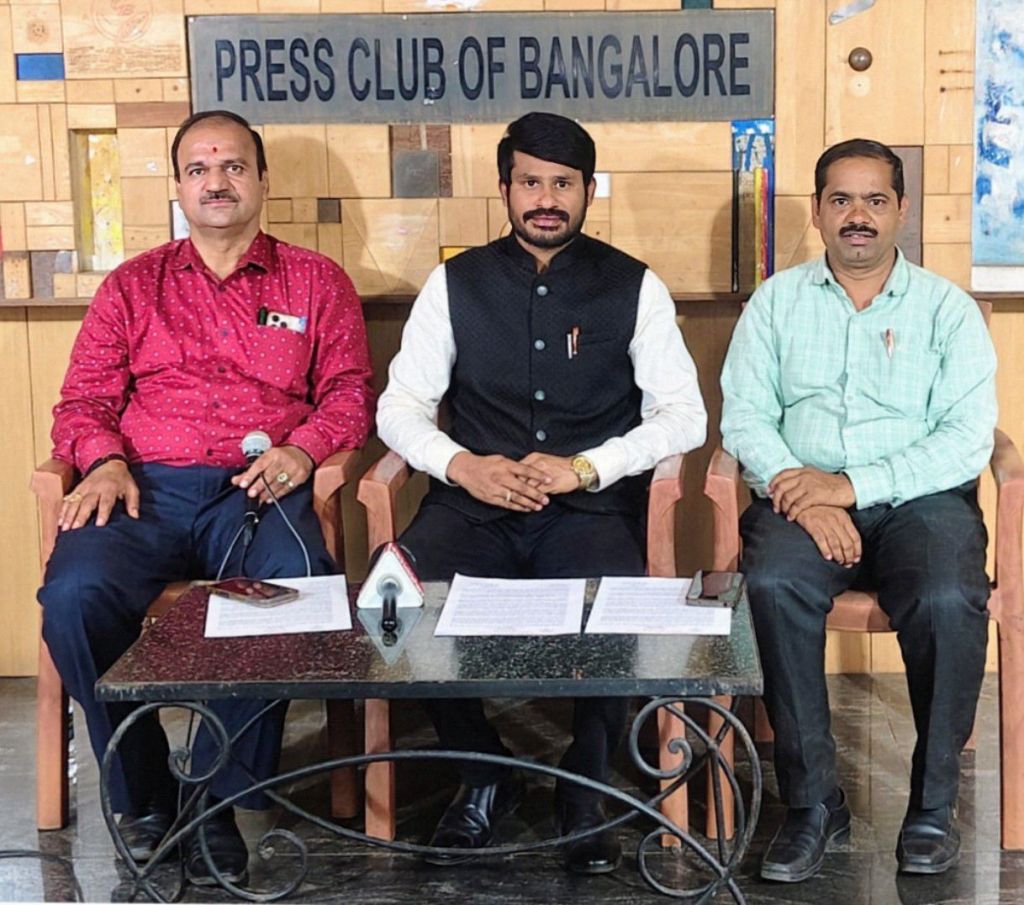
ಶಿಕ್ಷಣ ಕ್ಷೇತ್ರದ ಬೆಳವಣಿಗೆಗಳ ಬಗ್ಗೆ ಬಿಜೆಪಿ ಶಿಕ್ಷಣ ಪ್ರಕೋಷ್ಠದ ತೀವ್ರ ಅಸಮಾಧಾನ
ಬೆಂಗಳೂರು: ರಾಜ್ಯದ ಶಿಕ್ಷಣ ಕ್ಷೇತ್ರದಲ್ಲಿ ಇತ್ತೀಚೆಗೆ ನಡೆದಿರುವ ಬೆಳವಣಿಗೆಗಳ ಕುರಿತು ಭಾರತೀಯ ಜನತಾ ಪಕ್ಷದ ಶಿಕ್ಷಣ ಪ್ರಕೋಷ್ಠ ತೀವ್ರ ಆತಂಕ ಮತ್ತು ಅಸಮಾಧಾನ ವ್ಯಕ್ತಪಡಿಸಿದೆ.
ತ್ರಿಭಾಷಾ ಸೂತ್ರದ ಅಡಿಯಲ್ಲಿ ವಿದ್ಯಾರ್ಥಿಗಳು ಹಿಂದಿ ಭಾಷೆ ಕಲಿಯಬೇಕೆಂದು ಹಲವು ವರ್ಷಗಳಿಂದ ಹೇಳುತ್ತಿದ್ದ ರಾಜ್ಯ ಸರ್ಕಾರ, ಈಗ ಯಾವುದೇ ಪೂರ್ವ ಚರ್ಚೆ ನಡೆಸದೆ ಮತ್ತು ವಿದ್ಯಾರ್ಥಿಗಳು, ಪಾಲಕರು, ಶಿಕ್ಷಕರ ಅಭಿಪ್ರಾಯಗಳನ್ನು ಪರಿಗಣಿಸದೆ ಎಸ್ಎಸ್ಎಲ್ಸಿ ವಿದ್ಯಾರ್ಥಿಗಳಿಗೆ ಹಿಂದಿ ವಿಷಯವನ್ನು ಕೈಬಿಡುವ ಸೂಚನೆ ನೀಡಿರುವುದು ಶಿಕ್ಷಣ ವಲಯದಲ್ಲಿ ಗೊಂದಲ ಉಂಟುಮಾಡಿದೆ ಎಂದು ಪ್ರಕೋಷ್ಠ ಅಭಿಪ್ರಾಯಪಟ್ಟಿದೆ.
ಈ ರೀತಿಯ ನಿರ್ಧಾರಗಳು ವಿದ್ಯಾರ್ಥಿಗಳ ಭವಿಷ್ಯ, ಅವರ ಸ್ಪರ್ಧಾತ್ಮಕ ಸಾಮರ್ಥ್ಯ ಹಾಗೂ ಬಹುಭಾಷಾ ಅಧ್ಯಯನದ ಅಗತ್ಯತೆಗಳನ್ನು ಕಡೆಗಣಿಸುವಂತಿವೆ. ರಾಜಕೀಯ ಲಾಭಕ್ಕಾಗಿ ಶಿಕ್ಷಣ ಕ್ಷೇತ್ರವನ್ನು ಪ್ರಯೋಗಾಲಯವನ್ನಾಗಿ ಮಾಡಬಾರದು ಎಂದು ಪ್ರಕೋಷ್ಠ ಎಚ್ಚರಿಸಿದೆ.
ಈಗಾಗಲೇ ನಡೆದಿರುವ ಪರೀಕ್ಷೆಗೆ ಸಂಬಂಧಿಸಿ ವಿದ್ಯಾರ್ಥಿಗಳಿಗೆ ಗ್ರೇಡ್ ನೀಡಲಾಗುವುದು ಎಂಬ ಸರ್ಕಾರದ ಹೇಳಿಕೆ, ವಿದ್ಯಾರ್ಥಿಗಳ ಪರಿಶ್ರಮದ ಮೌಲ್ಯವನ್ನು ಕುಗ್ಗಿಸುವಂತಿದೆ. ಜೊತೆಗೆ ಹಿಂದಿ ಬೋಧಕರಲ್ಲಿ ಆತಂಕ ಉಂಟುಮಾಡಿದೆ ಎಂದು ಪ್ರಕೋಷ್ಠ ಟೀಕಿಸಿದೆ. ವಿದ್ಯಾರ್ಥಿಗಳಿಗೆ ಯಾವುದೇ ಅನ್ಯಾಯವಾಗದಂತೆ ಸಮರ್ಪಕ ಗ್ರೇಸ್ ಅಂಕಗಳನ್ನು ನೀಡುವಂತೆ ಸರ್ಕಾರವನ್ನು ಆಗ್ರಹಿಸಿದೆ.
ಇದರೊಂದಿಗೆ ಇತ್ತೀಚೆಗೆ ನಡೆದ ಎಸ್ಎಸ್ಎಲ್ಸಿ ಗಣಿತ ಪರೀಕ್ಷೆಯಲ್ಲಿ ಕಂಡುಬಂದಿರುವ ಅವ್ಯವಸ್ಥೆಯನ್ನೂ ಪ್ರಕೋಷ್ಠ ತೀವ್ರವಾಗಿ ಖಂಡಿಸಿದೆ. ಪ್ರಶ್ನೆಪತ್ರಿಕೆಯಲ್ಲಿ ಬಾರ್ಕೋಡ್ ಮುದ್ರಣದ ತಾಂತ್ರಿಕ ದೋಷದಿಂದ ಕೆಲ ಪ್ರಶ್ನೆಗಳು ಸ್ಪಷ್ಟವಾಗಿ ಕಾಣದ ಸಮಸ್ಯೆ ಉಂಟಾಗಿದೆ ಎನ್ನಲಾಗಿದೆ. ಇಂತಹ ಗಂಭೀರ ದೋಷಗಳು ಶಿಕ್ಷಣ ಇಲಾಖೆಯ ನಿರ್ಲಕ್ಷ್ಯವನ್ನು ತೋರಿಸುತ್ತವೆ ಎಂದು ಅಭಿಪ್ರಾಯಪಟ್ಟಿದೆ.
ಈ ಹಿನ್ನೆಲೆ, ಸಂಬಂಧಿತ ಪ್ರಶ್ನೆಗಳಿಗೆ ಗ್ರೇಸ್ ಅಂಕಗಳನ್ನು ನೀಡುವಂತೆ ಹಾಗೂ ಘಟನೆ ಕುರಿತು ಸಮಗ್ರ ತನಿಖೆ ನಡೆಸಿ ಹೊಣೆಗಾರರ ವಿರುದ್ಧ ಕ್ರಮ ಕೈಗೊಳ್ಳುವಂತೆ ಸರ್ಕಾರವನ್ನು ಒತ್ತಾಯಿಸಿದೆ. ಮುಂದಿನ ದಿನಗಳಲ್ಲಿ ಪರೀಕ್ಷಾ ವ್ಯವಸ್ಥೆಯನ್ನು ಇನ್ನಷ್ಟು ಪಾರದರ್ಶಕ ಮತ್ತು ಜವಾಬ್ದಾರಿಯುತವಾಗಿ ನಿರ್ವಹಿಸಲು ಕ್ರಮ ಕೈಗೊಳ್ಳಬೇಕು ಎಂದು ಮನವಿ ಮಾಡಿದೆ.
ಇನ್ನೂ, ಪ್ರಸ್ತುತ ಶೈಕ್ಷಣಿಕ ವರ್ಷದಲ್ಲಿ ವಿದ್ಯಾರ್ಥಿಗಳಿಗೆ ಪಠ್ಯಪುಸ್ತಕಗಳು, ಸಮವಸ್ತ್ರಗಳು ಸೇರಿದಂತೆ ಮೂಲಭೂತ ಸೌಲಭ್ಯಗಳನ್ನು ಸಮಯಕ್ಕೆ ಸರಿಯಾಗಿ ಒದಗಿಸುವಲ್ಲಿ ವಿಳಂಬವಾಗುತ್ತಿರುವ ಬಗ್ಗೆ ವರದಿಗಳು ಬರುತ್ತಿರುವುದನ್ನೂ ಪ್ರಕೋಷ್ಠ ಗಮನಕ್ಕೆ ತಂದಿದೆ. ರಾಜ್ಯದ ಎಲ್ಲಾ ಸರ್ಕಾರಿ ಹಾಗೂ ಅನುದಾನಿತ ಶಾಲೆಗಳಲ್ಲಿ ವಿದ್ಯಾರ್ಥಿಗಳಿಗೆ ಯಾವುದೇ ತೊಂದರೆ ಆಗದಂತೆ ತಕ್ಷಣ ಕ್ರಮ ಕೈಗೊಳ್ಳಬೇಕು ಎಂದು ಒತ್ತಾಯಿಸಿದೆ.
ರಾಜ್ಯದ ವಿದ್ಯಾರ್ಥಿಗಳ ಹಿತಾಸಕ್ತಿಯನ್ನು ಕಾಪಾಡುವುದು ಎಲ್ಲರ ಜವಾಬ್ದಾರಿಯಾಗಿದೆ. ವಿದ್ಯಾರ್ಥಿಗಳಿಗೆ ಅನ್ಯಾಯವಾದರೆ ಬಿಜೆಪಿ ಶಿಕ್ಷಣ ಪ್ರಕೋಷ್ಠ ಸದಾ ಅವರ ಜೊತೆ ನಿಂತು ಧ್ವನಿಯಾಗಲಿದೆ ಎಂದು ರಾಜ್ಯ ಸಂಚಾಲಕ ಡಾ. ಪಿ.ಬಿ. ಶಶಿಧರ್ ಹಾಗೂ ರಾಜ್ಯ ಸಮಿತಿ ಸದಸ್ಯ ಕೆ. ಹರೀಶ್ ಪತ್ರಿಕಾ ಪ್ರಕಟಣೆಯಲ್ಲಿ ತಿಳಿಸಿದರು.
Bengaluru, March 18, 2026: The Jagdish Sheth School of Management (JAGSoM) has announced a key leadership transition at the level of its Board of Governors, signalling a renewed focus on strengthening its academic legacy while deepening industry engagement.
Padma Bhushan awardee Dr. Jagdish Sheth has been elevated to the role of Chairman Emeritus, recognising his long-standing contributions to the institution’s growth, global outlook and academic credibility. In this capacity, he will continue to mentor the board and leadership team, and guide the school’s long-term vision.
At the same time, venture capitalist Sudhir Sethi, founder and chairman of Chiratae Ventures, has been appointed as the independent, non-executive chairman of JAGSoM’s Advisory Council. His role is honorary and aimed at supporting the institution’s strategic direction. The move reflects JAGSoM’s attempt to balance continuity with change—preserving its academic strengths while aligning more closely with evolving industry needs. Sethi, who brings over four decades of experience in backing technology-led businesses, is expected to contribute insights that will help the institution remain relevant in a rapidly changing business landscape.
Dr. Sheth, a globally recognised scholar and professor at Emory University’s Goizueta Business School in the United States, has played a pivotal role in shaping JAGSoM’s international positioning. His elevation ensures continuity in the institution’s core values, including academic rigour and global orientation.
Commenting on the development, Sanjay Padode, founder and board member of JAGSoM, said the transition safeguards the institution’s foundational strengths while bringing in a fresh perspective from India’s new economy, where innovation cycles are faster and career paths are constantly evolving.
Sethi said management education in India must become more agile and closely aligned with real-world value creation. He added that he looks forward to working with the board to strengthen industry integration, foster entrepreneurship and innovation, and enhance JAGSoM’s national and global standing. The reconstituted Advisory Council, chaired by Sethi, includes a mix of academicians, industry leaders and board members, reflecting a diverse range of expertise.
Going forward, JAGSoM plans to sharpen its focus on industry-linked learning, entrepreneurship-driven leadership, and building stronger innovation ecosystems through partnerships. The institution also aims to expand its global collaborations and reinforce its position as a business school that remains closely connected to evolving industry and innovation ecosystems.
With this transition, JAGSoM underlines its intent to not just teach management, but to stay aligned with emerging business models, technological shifts and new-age career demands, ensuring its students are better prepared for the future.
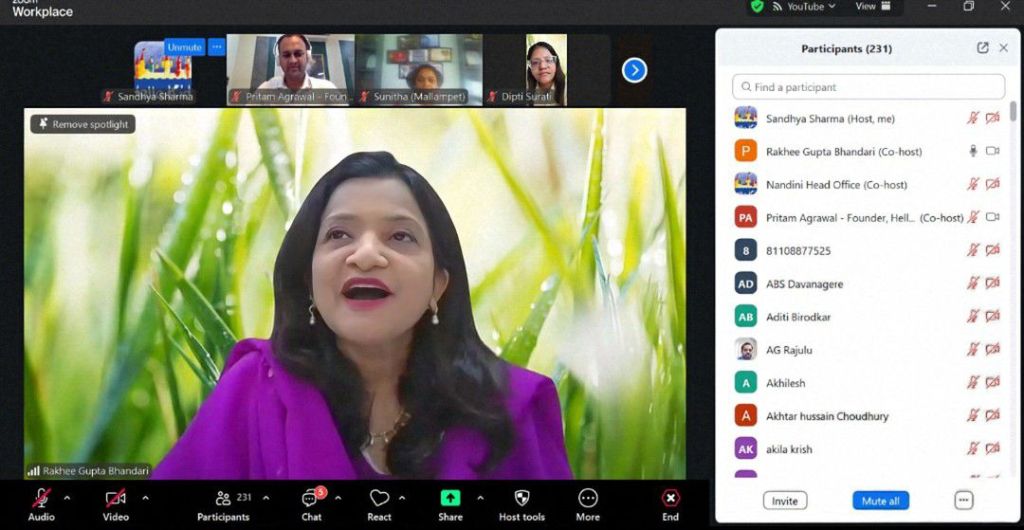
Hello Kids Hosts Inspiring Women’s Day Session with IAS Officer Rakhee Gupta Bhandari Hello Kids, one of Karnataka’s prominent preschool chains, marked International Women’s Day with a special live interactive session held on March 9, 2026. The event featured Rakhee Gupta Bhandari, IAS, Principal Secretary, Department of Food Processing, Government of Punjab, as the keynote guest speaker.
The session revolved around the theme “Women as Change Makers in Education & Society.” During the discussion, Hello Kids Founder Pritam Kumar Agrawal engaged in a thoughtful conversation with Bhandari, focusing on the transformative role women play in shaping education, leadership, and society. The interaction highlighted the influence of women educators, leaders, and mothers in nurturing young minds and contributing to positive change within communities.
More than 1,100 Hello Kids branch owners, teachers, and parents from across the country participated in the live session. Attendees listened attentively and interacted during the programme, making it an engaging and enriching experience for the education community.
Sharing insights from her journey in public service, Bhandari spoke about the importance of women’s empowerment, leadership, and resilience. She emphasised that quality education and strong leadership by women are vital to building a progressive and inclusive society.
She also encouraged educators and parents to foster confidence, creativity, and leadership skills among children from an early age, noting that early childhood education plays a crucial role in shaping responsible and empowered citizens. The session concluded on a highly motivating note, leaving participants inspired by the message of women’s leadership and their growing contribution to education and society. The Hello Kids team also acknowledged the efforts of Sandhya Sharma, Executive Assistant to the Founder, for her dedicated coordination in organising and managing the session successfully.
Through such initiatives, Hello Kids aims to continue creating meaningful learning opportunities and spreading awareness within the education community while celebrating the achievements and strength of women.






 City Today News
You must be logged in to post a comment.