Sri Subudhendra Tirtha Performs Sri Moola Ramachandra Devara Samsthana Puja in Bengaluru
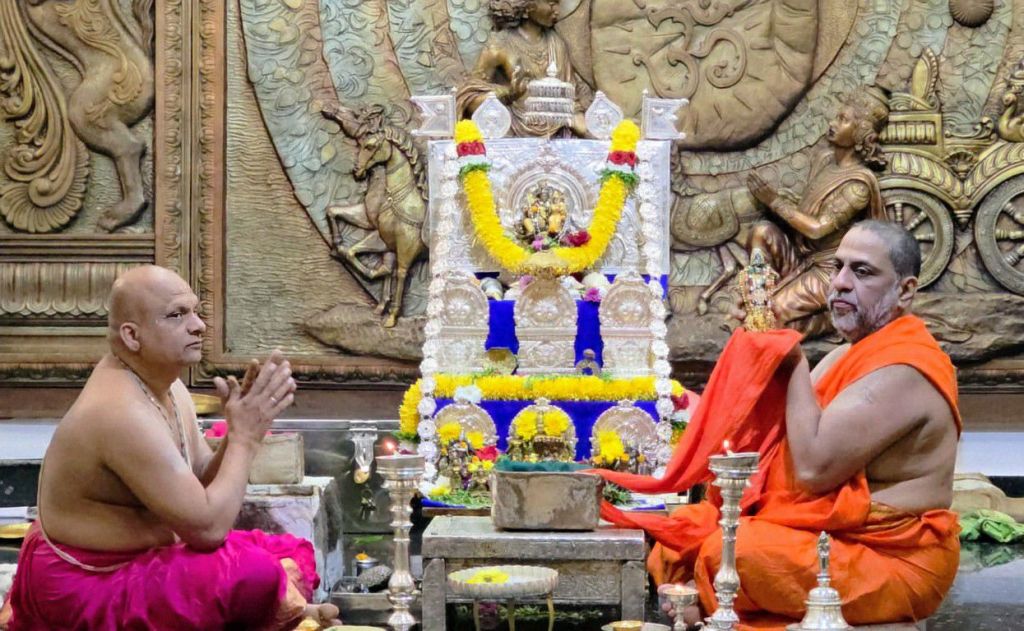
Bengaluru: On the occasion of Pournami, Sri 1008 Sri Subudhendra Tirtha Sripadangalavaru, Peetadhipathi of Sri Raghavendra Swamy Mutt, Mantralayam, performed the sacred Sri Moola Ramachandra Devara Samsthana Puja at Nanjanagudu Sri Guru Raghavendra Swamy Mutt in Jayanagar 5th Block, Bengaluru.
As part of the religious ceremony, the seer offered prayers for Loka Kalyana (the welfare of the world) and sought the blessings of Sri Raghavendra Swamy by offering prayers to the golden Moola Padukas. He also performed Maha Mangalarati to the Brindavana of Sri Raghavendra Swamy.
Following the puja, devotees received Phala Mantrakshate and the blessings of the seer. The details of the ceremony were shared by the temple priest, Sri Nandakishoracharya.
After completing the rituals, Sri Subudhendra Tirtha Sripadangalavaru departed for the sacred shrine of Sri Ramachandra in Ayodhya.
R.K. Vadindra Acharya, senior manager of the Mutt, along with hundreds of devotees, participated in the religious ceremony and received the blessings of Sri Hari, Vayu and Guru.
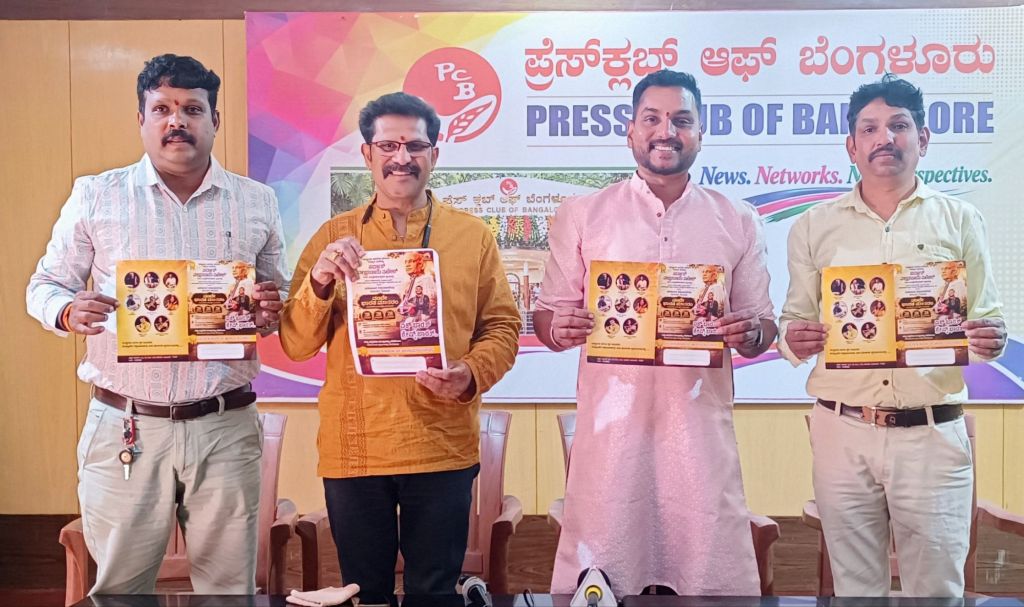
28 ಭಾಷೆಗಳಲ್ಲಿ, 28 ರಾಜ್ಯಗಳನ್ನು ಪ್ರತಿನಿಧಿಸುವ ಗಾಯನ; ವಿದ್ವಾನ್ ಯಶವಂತ್ ಎಂ.ಜಿ. ಅವರಿಂದ ‘ವಂದೇ ಭಾರತ ಮಾತರಂ’ ವಿಶೇಷ ಕಾರ್ಯಕ್ರಮ
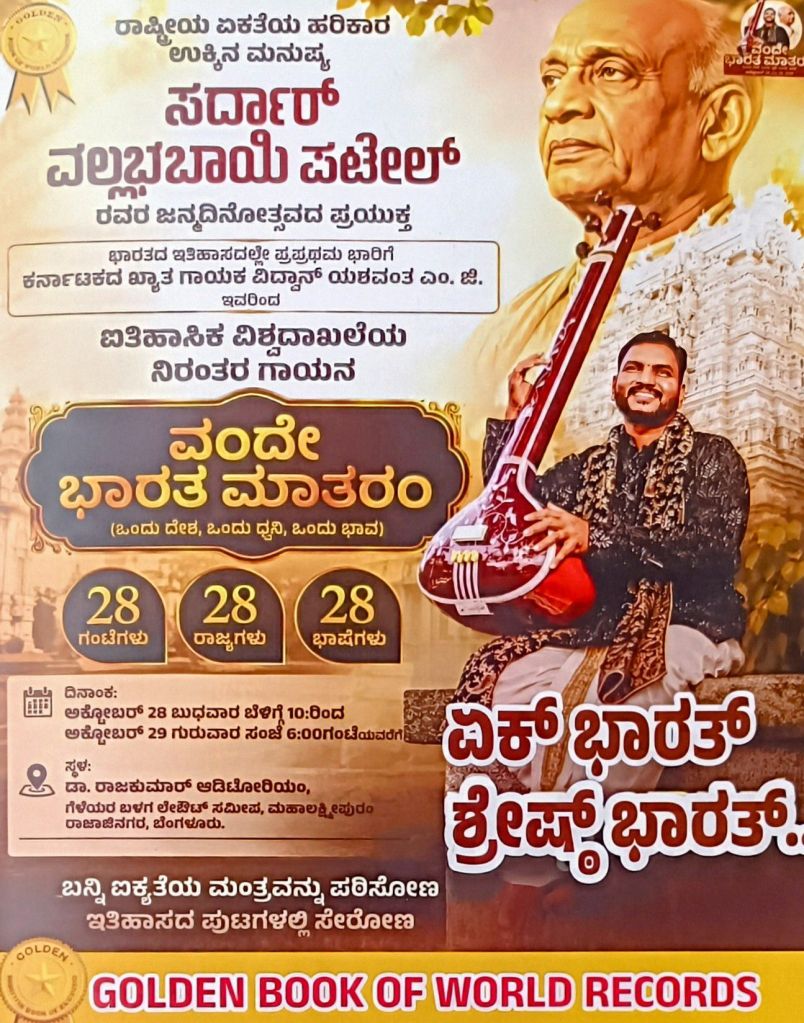
ಬೆಂಗಳೂರು: ರಾಷ್ಟ್ರೀಯ ಏಕತೆಯ ಹರಿಕಾರ, ಉಕ್ಕಿನ ಮನುಷ್ಯ ಎಂದೇ ಖ್ಯಾತರಾದ ಸರ್ದಾರ್ ವಲ್ಲಭಭಾಯಿ ಪಟೇಲ್ ಅವರ ಜನ್ಮದಿನದ ಅಂಗವಾಗಿ ಬೆಂಗಳೂರಿನಲ್ಲಿ ದೇಶಭಕ್ತಿಯ ಸಂದೇಶ ಸಾರುವ ವಿಶಿಷ್ಟ ಸಂಗೀತ ಕಾರ್ಯಕ್ರಮವನ್ನು ಆಯೋಜಿಸಲಾಗಿದೆ. ಕರ್ನಾಟಕದ ಖ್ಯಾತ ಗಾಯಕ ವಿದ್ವಾನ್ ಯಶವಂತ್ ಎಂ.ಜಿ. ಅವರು ‘ವಂದೇ ಭಾರತ ಮಾತರಂ’ ಶೀರ್ಷಿಕೆಯಡಿ 28 ಗಂಟೆಗಳ ನಿರಂತರ ಗಾಯನದ ಮೂಲಕ ಐತಿಹಾಸಿಕ ವಿಶ್ವದಾಖಲೆ ನಿರ್ಮಿಸುವ ಪ್ರಯತ್ನಕ್ಕೆ ಮುಂದಾಗಿದ್ದಾರೆ.
‘ಒಂದು ದೇಶ, ಒಂದು ಧ್ವನಿ, ಒಂದು ಭಾವ’ ಎಂಬ ಆಶಯದೊಂದಿಗೆ ನಡೆಯಲಿರುವ ಈ ಕಾರ್ಯಕ್ರಮದಲ್ಲಿ 28 ಭಾಷೆಗಳ ಮೂಲಕ ಭಾರತದ ವೈವಿಧ್ಯಮಯ ಸಂಸ್ಕೃತಿ, ಭಾಷಾ ಸೌಹಾರ್ದ ಮತ್ತು ರಾಷ್ಟ್ರೀಯ ಏಕತೆಯನ್ನು ಪ್ರತಿಬಿಂಬಿಸುವ ಉದ್ದೇಶ ಹೊಂದಲಾಗಿದೆ. ದೇಶದ 28 ರಾಜ್ಯಗಳ ವೈವಿಧ್ಯತೆಯನ್ನು ಸಂಗೀತದ ಮೂಲಕ ಪರಿಚಯಿಸುವ ಈ ಪ್ರಯತ್ನವು ದೇಶಭಕ್ತಿಯ ಭಾವನೆಯನ್ನು ಮತ್ತಷ್ಟು ಬಲಪಡಿಸುವ ಗುರಿ ಹೊಂದಿದೆ.
ನಿರಂತರ 28 ಗಂಟೆಗಳ ಕಾಲ ನಡೆಯಲಿರುವ ಗಾಯನ ಕಾರ್ಯಕ್ರಮವು ಸಂಗೀತ ಕ್ಷೇತ್ರದಲ್ಲಿ ಹೊಸ ಮೈಲಿಗಲ್ಲು ಸ್ಥಾಪಿಸುವ ಆಶಯ ಹೊಂದಿದೆ. ಈ ಪ್ರಯತ್ನವನ್ನು ‘ಗೋಲ್ಡನ್ ಬುಕ್ ಆಫ್ ವರ್ಲ್ಡ್ ರೆಕಾರ್ಡ್ಸ್’ನಲ್ಲಿ ದಾಖಲಿಸುವ ಉದ್ದೇಶವನ್ನೂ ಆಯೋಜಕರು ಹೊಂದಿದ್ದಾರೆ.
ಸರ್ದಾರ್ ವಲ್ಲಭಭಾಯಿ ಪಟೇಲ್ ಅವರು ದೇಶದ ಏಕೀಕರಣಕ್ಕೆ ನೀಡಿದ ಮಹತ್ವದ ಕೊಡುಗೆಯನ್ನು ಸ್ಮರಿಸುವುದರ ಜೊತೆಗೆ, ಭಾಷೆ ಮತ್ತು ಪ್ರಾದೇಶಿಕ ವೈವಿಧ್ಯತೆಯ ನಡುವೆಯೂ ಭಾರತೀಯರೆಲ್ಲರೂ ಒಂದೇ ಎಂಬ ಸಂದೇಶವನ್ನು ಸಾರುವುದು ಈ ಕಾರ್ಯಕ್ರಮದ ಪ್ರಮುಖ ಉದ್ದೇಶವಾಗಿದೆ.
ಕಾರ್ಯಕ್ರಮದ ವಿವರಗಳು:
– ಕಾರ್ಯಕ್ರಮದ ಹೆಸರು: ವಂದೇ ಭಾರತ ಮಾತರಂ – ಪ್ರಮುಖ ಗಾಯಕರು: ವಿದ್ವಾನ್ ಯಶವಂತ್ ಎಂ.ಜಿ. – ದಿನಾಂಕ: ಅಕ್ಟೋಬರ್ 28, ಬುಧವಾರ, ಬೆಳಿಗ್ಗೆ 10 ಗಂಟೆಯಿಂದ ಅಕ್ಟೋಬರ್ 29, ಗುರುವಾರ, ಸಂಜೆ 6 ಗಂಟೆಯವರೆಗೆ – ಸ್ಥಳ: ಡಾ. ರಾಜ್ಕುಮಾರ್ ಆಡಿಟೋರಿಯಂ, ಗೆಳೆಯರ ಬಳಗ ಲೇಔಟ್ ಸಮೀಪ, ಮಹಾಲಕ್ಷ್ಮೀಪುರ, ರಾಜಾಜಿನಗರ, ಬೆಂಗಳೂರು. – ದಾಖಲೆ ಪ್ರಯತ್ನ: ಗೋಲ್ಡನ್ ಬುಕ್ ಆಫ್ ವರ್ಲ್ಡ್ ರೆಕಾರ್ಡ್ಸ್
‘ಏಕ್ ಭಾರತ್, ಶ್ರೇಷ್ಠ ಭಾರತ್’ ಎಂಬ ರಾಷ್ಟ್ರೀಯ ಆಶಯಕ್ಕೆ ಪೂರಕವಾಗಿ ಆಯೋಜಿಸಲಾಗಿರುವ ಈ ಕಾರ್ಯಕ್ರಮದಲ್ಲಿ ಸಾರ್ವಜನಿಕರು ಭಾಗವಹಿಸಿ, ದೇಶದ ಏಕತೆ ಮತ್ತು ಸೌಹಾರ್ದದ ಸಂದೇಶವನ್ನು ಜನಮಾನಸಕ್ಕೆ ತಲುಪಿಸಲು ಕೈಜೋಡಿಸುವಂತೆ ಆಯೋಜಕರು ಮನವಿ ಮಾಡಿದ್ದಾರೆ.
ಬನ್ನಿ, ಐಕ್ಯತೆಯ ಮಂತ್ರವನ್ನು ಪಠಿಸೋಣ; ದೇಶಭಕ್ತಿಯ ಗೀತೆಯೊಂದಿಗೆ ಇತಿಹಾಸದ ಪುಟಗಳಲ್ಲಿ ಸ್ಥಾನ ಪಡೆಯುವ ಈ ಪ್ರಯತ್ನಕ್ಕೆ ಸಾಕ್ಷಿಯಾಗೋಣ!
Gleneagles BGS Hospital Bikeathon Draws 200 Riders to Promote Spine Health
Nearly 20 former spine patients join the ride to highlight the importance of early diagnosis, regular exercise and preventive care
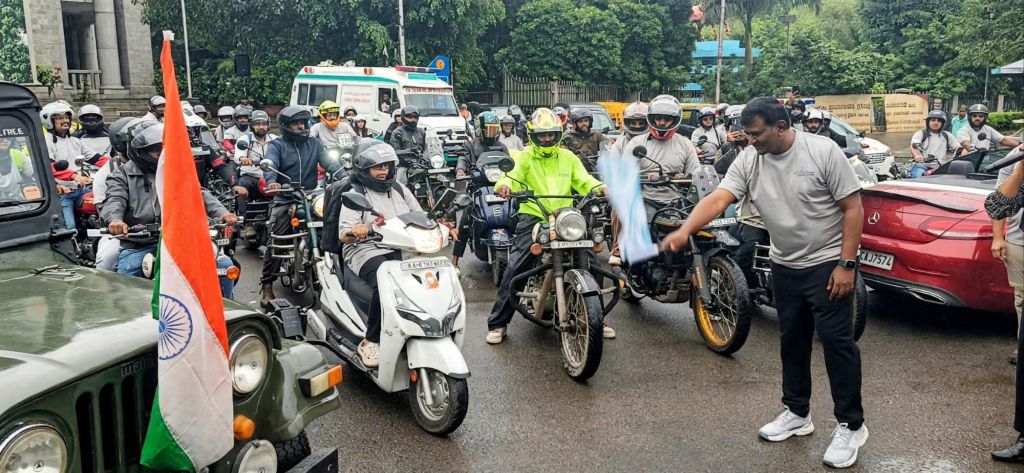
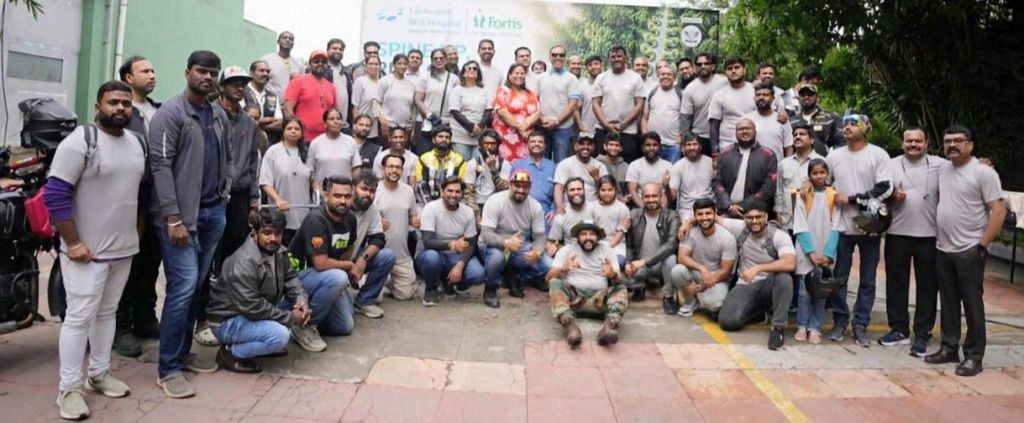
BENGALURU, October 25, 2026: Highlighting the importance of spine health and timely medical intervention, Gleneagles BGS Hospital, Kengeri, part of the Fortis Healthcare Network, organised the ‘Spine Up. Ride On.’ bikeathon on Sunday to mark World Spine Day. The initiative brought together more than 200 bike riders, including nearly 20 former patients who had received treatment for spine-related conditions at the hospital.
The bikeathon began at Bangalore Town Hall, with riders proceeding via Freedom Park to Gleneagles BGS Hospital. The event brought together former patients, biking enthusiasts and members of the public to spread awareness about spine health and encourage healthier lifestyles.
The participation of former patients was a key highlight, demonstrating the importance of recovery, physical activity and continued care in maintaining spinal health.
The spine plays a crucial role in supporting the body, maintaining posture, enabling movement and protecting the spinal cord. However, symptoms such as persistent back pain, numbness and weakness are often ignored until they begin to interfere with everyday activities. Through the initiative, the hospital aimed to encourage people to adopt healthy habits, maintain an active lifestyle and seek timely medical advice when symptoms persist.
The event was attended by Dr. Naveen M. A., Head of Department and Senior Consultant – Minimal Access Brain and Spine Surgery; Dr. Santhosh Sa, Senior Consultant – Neurosurgery, specialising in vascular neurosurgery, neuro and stroke interventions, and complex and skull-base brain tumours; Dr. Keshav G. C., Consultant – Neurosurgery; and Dr. Shridhar G., Associate Consultant – Neurosurgery, all from Gleneagles BGS Hospital.
Speaking on the occasion, Dr. Naveen M. A. said, “Our spine supports almost every movement we make, yet we often overlook its health until a problem starts affecting our daily lives. Persistent back pain, numbness or weakness should not be ignored, as early medical attention can help identify the underlying problem and guide appropriate treatment. Simple measures such as staying active, maintaining good posture and exercising regularly can go a long way in protecting spine health. Through this bikeathon, we hope to encourage people to take better care of their spine and seek medical advice when necessary. The participation of our former patients makes this initiative particularly meaningful.”
Mr. Ravi Bagali, Chief Operating Officer, Gleneagles BGS Hospital, Kengeri, said healthcare extends beyond hospital walls and includes educating communities about prevention and healthier living.
“At Gleneagles BGS Hospital, we believe that raising awareness and encouraging healthier choices are as important as treating patients. Through ‘Spine Up. Ride On.’, we aim to bring people together to highlight the importance of spine health and timely medical care. It is encouraging to see our former patients join members of the public in supporting this cause. We will continue to undertake such initiatives to educate communities and help people lead healthier lives,” he said.
Robotic surgical system, digital app and annual publication launched in Bengaluru
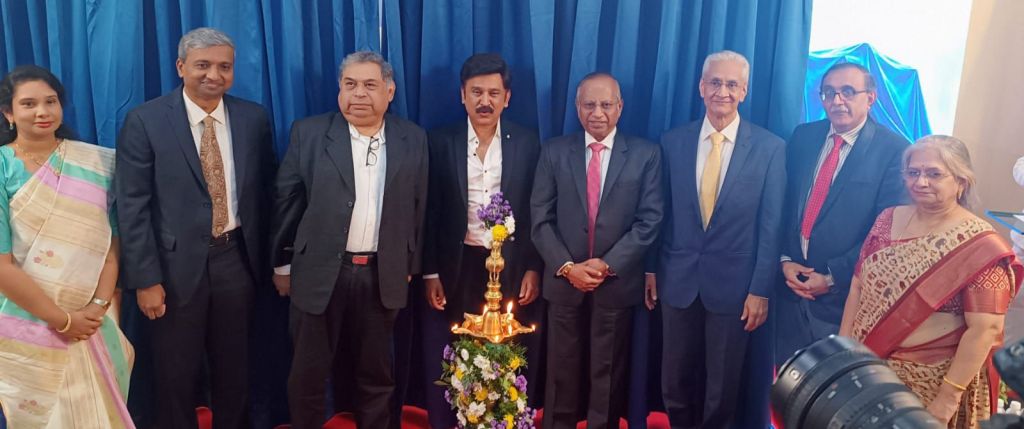
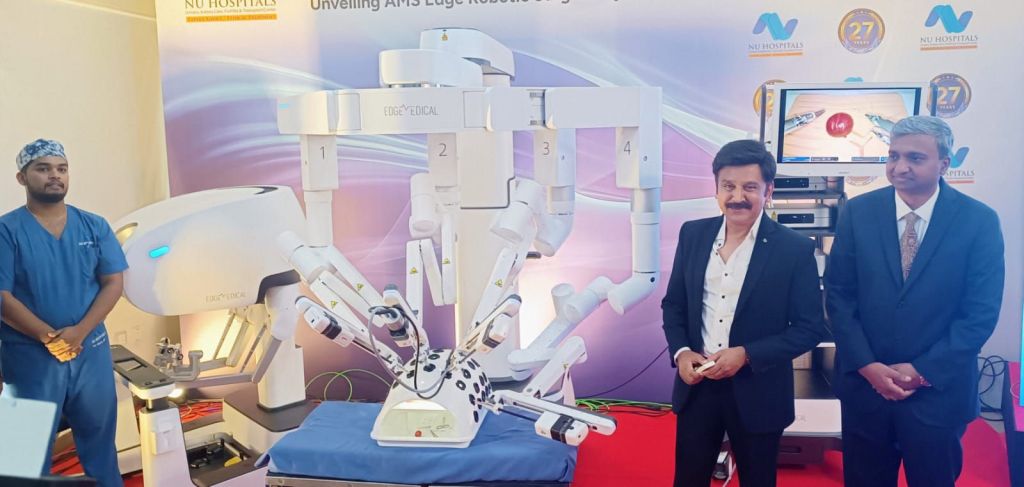
BENGALURU, October 23, 2026: NU Hospitals has unveiled three new initiatives aimed at advancing surgical care, simplifying access to healthcare services and strengthening its commitment to patient-centric treatment. The initiatives, launched at the hospital’s Rajajinagar facility on Friday, include the advanced AMS EDGE Robotic Surgical System, the NU App and The Link 2024–26, the hospital’s annual publication.
Specialising in urology, kidney care, fertility treatment and kidney transplantation, NU Hospitals is focusing on technology-driven solutions to improve the quality of treatment and enhance the patient experience. The hospital operates facilities in Bengaluru and other locations in Karnataka, Tamil Nadu and the Maldives.
Actor, director and television presenter Ramesh Aravind, who attended the event as the chief guest, appreciated the hospital’s initiatives. He said that technology, when combined with compassion, could bring meaningful changes to people’s lives, adding that NU Hospitals had taken a positive step in this direction.
Advanced Robotic Technology for Surgery
The newly introduced AMS EDGE Robotic Surgical System is designed to assist surgeons in performing complex procedures with enhanced precision and control. Its key features include high-definition 3D visualisation with 10x magnification, a flexible four-arm robotic system and advanced surgical instruments.
The system also incorporates AI-assisted imaging, indocyanine green (ICG) fluorescence technology and an advanced display system to help surgeons visualise delicate anatomical structures more clearly. It also includes telesurgery technology designed to support remote surgical procedures.
Compared with conventional open surgery and laparoscopy, robotic-assisted surgery offers greater flexibility in instrument movement and precision. In suitable cases, these advantages may help reduce blood loss and post-operative pain, while supporting faster recovery and shorter hospital stays. However, outcomes depend on the patient’s condition, the nature of the procedure and the treating surgeon’s assessment.
Dr. Prasanna Venkatesh M.K., Managing Director and Senior Consultant Paediatric Urologist at NU Hospitals, said providing advanced and specialised healthcare services remained the institution’s primary objective. The adoption of robotic surgical technology would complement the expertise of its medical team and help further enhance the quality of treatment, he added.
Dr. Venkatesh Krishnamurthy, Chairman of NU Hospitals, said the institution’s achievements reflected the trust patients placed in the hospital and the dedication of its medical team. As medical technology continued to evolve, adopting appropriate advancements while maintaining compassionate care remained an important responsibility, he noted.
NU App to Simplify Access to Healthcare
The NU App has been launched to make healthcare services more accessible and convenient for patients. The digital platform offers several features, including doctor appointment booking, online payments, consultations, access to medical reports and prescriptions, and online medicine ordering.
Patients can also use the app to arrange home sample collection for laboratory tests. These features are intended to help patients manage their healthcare needs more conveniently, reduce unnecessary visits and access relevant medical information with greater ease.
Dr. Dilip Rangarajan, Group Medical Director at NU Hospitals, said technology was most effective when it simplified services for both patients and healthcare professionals. Through the NU App, the hospital aims to improve access to essential healthcare services, save patients’ time and make medical information more readily available, he added.
The Link 2024–26 Documents the Hospital’s Journey
The third initiative, The Link 2024–26, is the hospital’s annual publication documenting its achievements, future vision and institutional growth. It also highlights the experiences and contributions of doctors and other staff members whose efforts have helped shape the hospital’s journey.
Through these three initiatives, NU Hospitals aims to strengthen its focus on advanced surgical technology, digitally enabled healthcare services and the recognition of its medical team’s contributions.
New initiative focuses on predictive healthcare, early diagnosis and personalised wellness
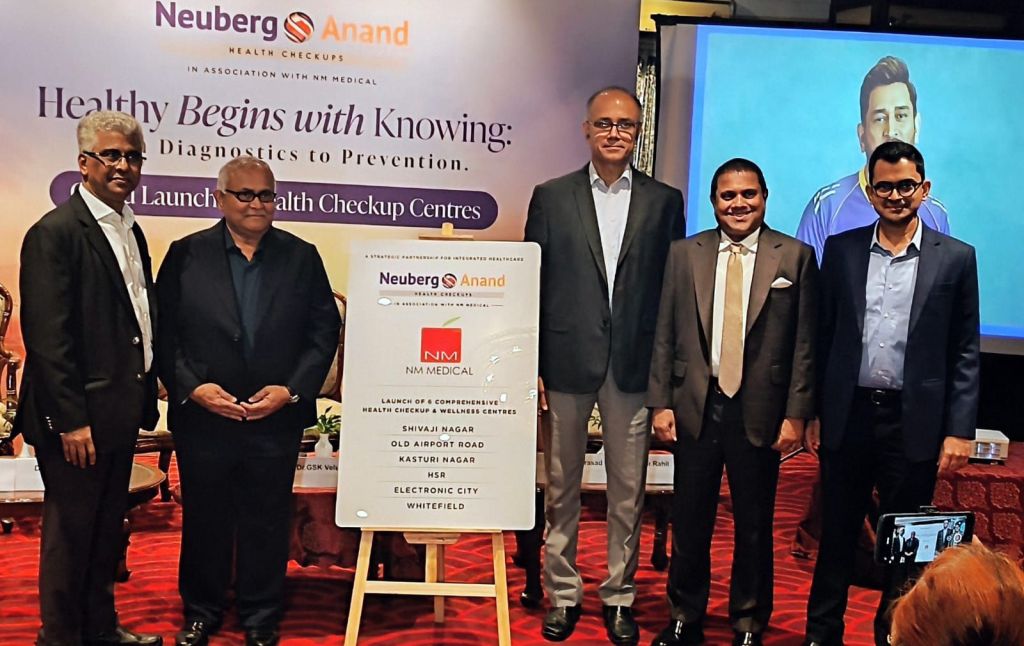
BENGALURU, October 23, 2026: Neuberg Anand Health Checkups, in association with NM Medical, has launched six comprehensive health checkup and wellness centres across Bengaluru, expanding access to integrated diagnostic services and preventive healthcare.
The new centres are located in Shivaji Nagar, Old Airport Road, Kasturi Nagar, HSR Layout, Electronic City and Whitefield. The initiative aims to help people identify potential health risks early and move beyond symptom-based treatment towards proactive, personalised healthcare.
The centres bring together multiple medical services, including radiology, pathology, cardiology, gastroenterology, dental care, ophthalmology, audiometry and genomics. By combining these specialties with advanced diagnostic facilities, the initiative seeks to support early diagnosis, risk assessment and more informed healthcare decisions.
The expansion brings together Neuberg Anand’s diagnostic capabilities and NM Medical’s experience in imaging and comprehensive health checkups, offering patients access to a wider range of healthcare services through an integrated model.
As part of its expansion into preventive healthcare, Neuberg is also preparing to launch Atlas Longevity in Bengaluru. The initiative will focus on predictive wellness, personalised health insights, healthy ageing and long-term wellbeing.
Dr GSK Velu, Founder, Chairman and Managing Director of Neuberg Diagnostics, said healthcare must move beyond diagnosing illnesses to identifying risks early and helping people maintain better health over time.
He said the integration of multiple clinical specialties and advanced diagnostic technologies would help make predictive, preventive and personalised healthcare more accessible to people across Bengaluru.
Dr Sujay Prasad, Chief Medical Director of Neuberg Diagnostics, said the integration of advanced pathology, genomics and multiple clinical specialties would help shift healthcare beyond routine screening towards personalised risk assessment, prevention and early diagnosis.
Dr Nilesh Shah, Chairman of NM Medical, Mumbai, said the collaboration combines NM Medical’s three decades of experience in comprehensive health checkup services with Neuberg Anand’s expertise in pathology, genomics and integrated diagnostics.
He said the partnership aims to introduce a new generation of predictive wellness and longevity services in Bengaluru, with an emphasis on prevention, early diagnosis and healthier, longer lives.


You must be logged in to post a comment.