
Bengaluru, India – February 23, 2025 – Infertility is rapidly becoming a significant public health concern in India, with experts at the Comprehensive Infertility Conclave (CIC) 2025 urging couples to seek early diagnosis and comprehensive fertility care. Studies reveal that male factors contribute to nearly 50% of infertility cases, highlighting the need for a balanced approach to diagnosis and treatment.
The CIC 2025, organized by the Global Health Academy and attended by over 300 leading gynecologists in Bengaluru, focused on the latest advancements in reproductive medicine and the critical role of lifestyle modifications. The event aimed to provide new insights and solutions for infertility management, offering hope to couples struggling with conception.
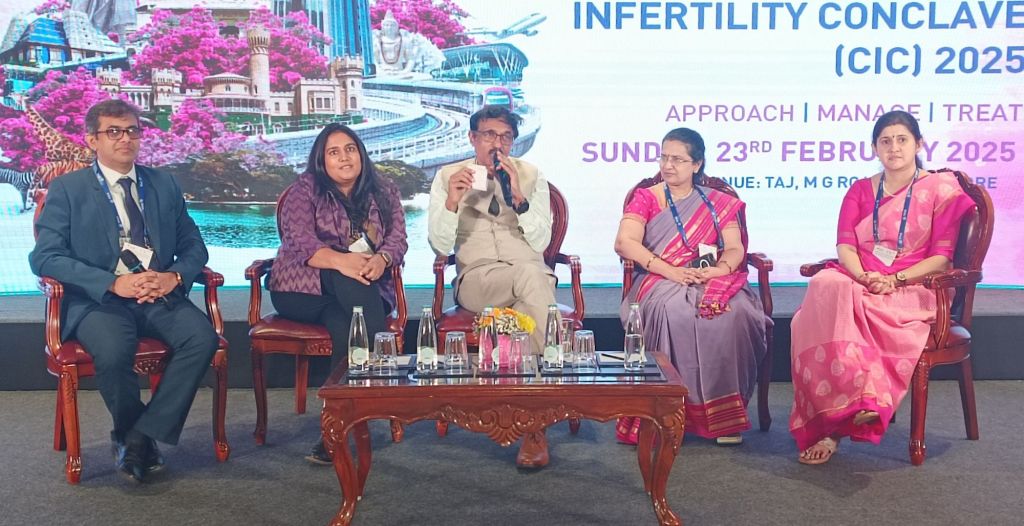
“Recent studies suggest that 40-50% of infertility cases are linked to male factors,” stated Dr. Praveen Joshi, Organizing Chairman of CIC 2025. “We have witnessed a steady rise, particularly among younger men, due to factors like low sperm count, poor motility, hormonal imbalances, and lifestyle habits. Rising pollution levels in cities like Bengaluru are also contributing to declining sperm health.”
Data from the National Family Health Survey-5 (NFHS-5) (2019-20) indicates that infertility affects about 18.7 in every 1,000 married women aged 15-49. In Karnataka, the District Level Household and Facility Survey (DLHS) shows that about 5.9% of ever-married women face infertility issues, with slightly higher numbers in rural areas.
“Despite advancements in reproductive medicine, infertility remains a stigmatized and underdiagnosed issue, particularly among men,” said Chief Guest Dr. B. S. Ajaikumar, Executive Chairman of HealthCare Global Enterprises Ltd. “Infertility should not be viewed as solely a female issue. Encouraging men to seek timely medical evaluation is crucial for successful treatment outcomes.”
Dr. Meghana Nyapathi, Organizing Secretary of CIC 2025, urged couples facing conception difficulties to undergo medical evaluations together. “Infertility is a shared concern. Men experiencing fertility issues should consider semen analysis and hormonal testing at an early stage. Timely diagnosis and medical intervention can significantly improve the chances of conception.”
Medical advancements offer a range of treatment options, including lifestyle modifications, medications, and assisted reproductive technologies (ART) such as Intrauterine insemination (IUI), In Vitro fertilization (IVF), and Intracytoplasmic Sperm Injection (ICSI). Cutting-edge techniques like micro-TESE (microsurgical testicular sperm extraction) and sperm DNA fragmentation testing are also available for complex cases.
Experts at the conclave stressed the urgent need for public awareness campaigns to tackle misconceptions surrounding infertility. “A comprehensive approach is essential to reducing the burden of infertility in India,” said Dr. Anjali Ajai Kumar, Executive Director at HealthCare Global Enterprises Ltd. “This includes early diagnosis, lifestyle modifications, and access to cutting-edge fertility treatments.”
The CIC 2025 served as a crucial platform for medical professionals to discuss best practices and foster a more informed and supportive approach to fertility care in India. As Bengaluru continues to evolve, prioritizing reproductive health through awareness and early diagnosis will ensure better outcomes for future generations.
City Today News 9341997936

 City Today News