ಈ ತಿಂಗಳ ಒಳಗಾಗಿ ಬೃಹತ್ ಬೆಂಗಳೂರು ಮಹಾನಗರ ಪಾಲಿಕೆಯಲ್ಲಿ ಸ್ವಚ್ಛತಾ ಕಾರ್ಯನಿರ್ವಹಿಸುತ್ತಿರುವ ನೇರವೇತನ ಪೌರಕಾರ್ಮಿಕರಿಗೆ “ಖಾಯಂ ಭಾಗ್ಯ” ಕೊಟ್ಟು, ಖಾಯಂ ಪಟ್ಟಿ ಬಿಡುಗಡೆ ಮಾಡಲೇಬೇಕೆಂದು ಒತ್ತಾಯಿಸುತ್ತಿದ್ದೇವೆ ಹಾಗೂ ರಾಜ್ಯಾದ್ಯಂತ ಕೆಲವೊಂದು ಜಿಲ್ಲೆಗಳಲ್ಲಿ ಆದೇಶಗಳನ್ನು ಜಾರಿಗೊಳಿಸಿರುವುದಿಲ್ಲ. ಈ ಕೂಡಲೇ ಆದೇಶಗಳನ್ನು ಜಾರಿಗೊಳಿಸಬೇಕೆಂದು, ತಮ್ಮ ಪತ್ರಿಕೆ ಹಾಗೂ ಮಾಧ್ಯಮದ ಮುಖಾಂತರ ಸರ್ಕಾರ ಹಾಗೂ ಪಾಲಿಕೆಯನ್ನು ಒತ್ತಾಯಿಸುತ್ತಿದ್ದೇವೆ.”
ಈ ಮೇಲ್ಕಾಣಿಸಿದ ಮಹಾಸಂಘದ ವತಿಯಿಂದ ಹಲವಾರು ಹೋರಾಟಗಳ ಫಲವೇ ರಾಜ್ಯಾದ್ಯಂತ 24500 ಪೌರಕಾರ್ಮಿಕರನ್ನು ಖಾಯಂ ಮಾಡುವುದಾಗಿ ಹಿಂದಿನ ಸರಕಾರ ಹಾಗೂ ಇಂದಿನ ಸರಕಾರ ಸಚಿವ ಸಂಪುಟ ಒಪ್ಪಿಗೆ ನೀಡಿದ್ದರು ಸಹ ಇಲ್ಲಿಯವರವಿಗೂ ಬೆಂಗಳೂರು ಮಹಾನಗರ ಪಾಲಿಕೆಯಲ್ಲಿ ನೇರವೇತನ ಪೌರಕಾರ್ಮಿಕರ ಖಾಯಂ ಪಟ್ಟಿ ಬಿಡುಗಡೆ ಮಾಡಲು ವಿಳಂಬ ಮಾಡುತ್ತಿರುವುದು ದುರ್ದೈವದ ಸಂಗತಿ, ಅದೇ ರೀತಿ ರಾಜ್ಯದ ಇನ್ನೂ ಕೆಲವೊಂದು ಜಿಲ್ಲೆಗಳಲ್ಲಿ (ಹುಬ್ಬಳ್ಳಿ- ಧಾರವಾಡ, ಬೆಳಗಾವಿ, ಕಲಬುರಗಿ) 2018ರಲ್ಲೇ ಗುತ್ತಿಗೆ ಪದ್ದತಿ ರದ್ದಾಗಿದ್ದರೂ, ಸಹ ಇಂದಿಗೂ ಗುತ್ತಿಗೆ ಪದ್ದತಿಯಲ್ಲೇ ಜೀತದಾಳುಗಳಂತೆ ದುಡಿಸಿಕೊಳ್ಳುತ್ತಿರುವುದು ಗಮನಾರ್ಹ ವಿಷಯವಾಗಿರುತ್ತದೆ.
ಆದ್ದರಿಂದ ಈ ಕೆಳಕಂಡ ಆದೇಶಗಳನ್ನು ಜಾರಿಗೊಳಿಸದೆ ತಡ ಮಾಡುತ್ತಿರುವ ಸರ್ಕಾರ ಹಾಗೂ ನಗರಪಾಲಿಕೆಗಳಿಗೆ ಈ ಕೂಡಲೇ ಜಾರಿಗೊಳಿಸಲು ಒತ್ತಾಯಿಸುತ್ತಿದ್ದೇವೆ.
1) ಬೃಹತ್ ಬೆಂಗಳೂರು ಮಹಾನಗರ ಪಾಲಿಕೆಯಲ್ಲಿ ಈಗಾಗಲೇ ಘೋಷಿಸಿದಂತೆ, ಈ ತಿಂಗಳ ಒಳಗಾಗಿ ಖಾಯಂ ಪಟ್ಟಿ (ಮೊದಲನೇ ಹಂತ 3673 ಹಾಗೂ ಎರಡನೇ ಹಂತ 11307 ಒಟ್ಟು 14980) ಬಿಡುಗಡೆ ಮಾಡಲೇಬೇಕು.
2) ರಾಜ್ಯದ ಕೆಲವೊಂದು ಜಿಲ್ಲೆಗಳಲ್ಲಿ (ಹುಬ್ಬಳ್ಳಿ-ಧಾರವಾಡ, ಬೆಳಗಾವಿ, ಕಲಬುರಗಿ) ಇನ್ನೂ ಗುತ್ತಿಗೆ ಪದ್ದತಿ ಮುಂದುವರೆಯುತ್ತಿದ್ದು, ಈ ಕೂಡಲೇ ಗುತ್ತಿಗೆ ಪದ್ದತಿ ರದ್ದು ಮಾಡಿ ಖಾಯಂ ಮಾಡಬೇಕು.
3) ಬೆಂಗಳೂರು ಮಹಾನಗರ ಪಾಲಿಕೆಯೂ ಸೇರಿದಂತೆ ರಾಜ್ಯಾದ್ಯಂತ ಕಸಸಾಗಾಣಿಕೆ ಲಾರಿ ಚಾಲಕರು, ಆಟೋ ಚಾಲಕರು, ಹೆಲ್ಪರ್ಗಳು ಹಾಗೂ ಕ್ಲೀನರ್ಗಳನ್ನು ಗುತ್ತಿಗೆ ಪದ್ದತಿಯಿಂದ ವಿಮುಕ್ತಿಗೊಳಿಸಿ ನೇರವೇತನ ಅಡಿಯಲ್ಲಿ ನೇಮಿಸಿಕೊಳ್ಳಬೇಕು.
4) ರಾಜ್ಯದ ಸ್ಥಳೀಯ ಸಂಸ್ಥೆಗಳಲ್ಲಿ ಒಳಚರಂಡಿ ಮಂಡಳಿಯಲ್ಲಿ ಕೆಲಸ ನಿರ್ವಹಿಸುತ್ತಿರುವ ಸ್ವಚ್ಛತಾ ಕಾರ್ಮಿಕರನ್ನು ಖಾಯಂ ಮಾಡಲೇಬೇಕು.
5) ಬೃಹತ್ ಬೆಂಗಳೂರು ಮಹಾನಗರ ಪಾಲಿಕೆಯಲ್ಲಿ 60 ವರ್ಷ ತುಂಬಿದ ನೇರವೇತನ ಪೌರಕಾರ್ಮಿಕರನ್ನು ಕೆಲಸದಿಂದ ನಿಲ್ಲಿಸಿದ್ದು, ನಿವೃತ್ತಿ ವೇತನ ಕೊಡಲು ಆದೇಶವಾಗಿದ್ದರೂ ಸಹ ಇದುವರೆಗೂ ಬಿಡುಗಡೆ ಮಾಡಿರುವುದಿಲ್ಲ, ಈ ಕೂಡಲೇ ನಿವೃತ್ತಿ ವೇತನ ಬಿಡುಗಡೆ ಮಾಡಬೇಕು. ಹಾಗೆ ನಿವೃತ್ತಿಯಾದ ಹಾಗೂ ಮರಣ ಹೊಂದಿದ ಕುಟುಂಬದ ಅವಲಂಬಿತರಿಗೆ ಒಂದು ಹುದ್ದೆ ನೀಡಬೇಕು.
6) ಬೃಹತ್ ಬೆಂಗಳೂರು ಮಹಾನಗರ ಪಾಲಿಕೆಯಲ್ಲಿ ಗುತ್ತಿಗೆ ಅಡಿಯಲ್ಲಿ ಕೆಲಸ ನಿರ್ವಹಿಸುತ್ತಿರುವ ಸ್ವಚ್ಛತಾ ಕಿರಿಯ ಆರೋಗ್ಯ ಪರಿವೀಕ್ಷಕರುಗಳನ್ನು ಪಾಲಿಕೆಯೇ ನೇರವೇತನ ಅಡಿಯಲ್ಲಿ ನೇಮಿಸಿಕೊಳ್ಳಬೇಕು.
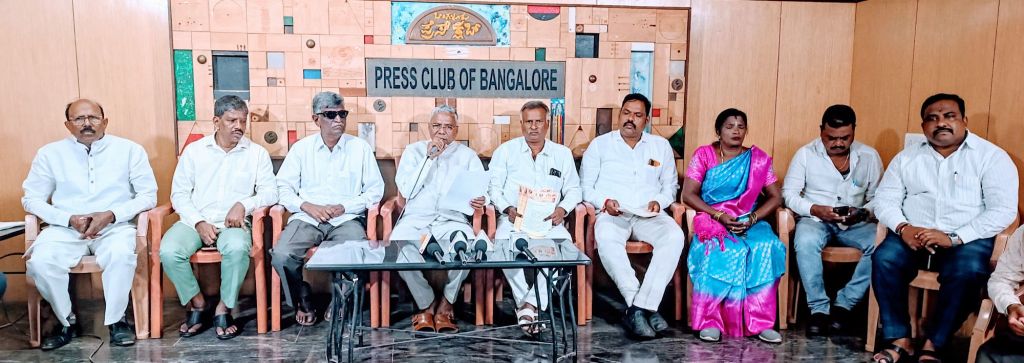
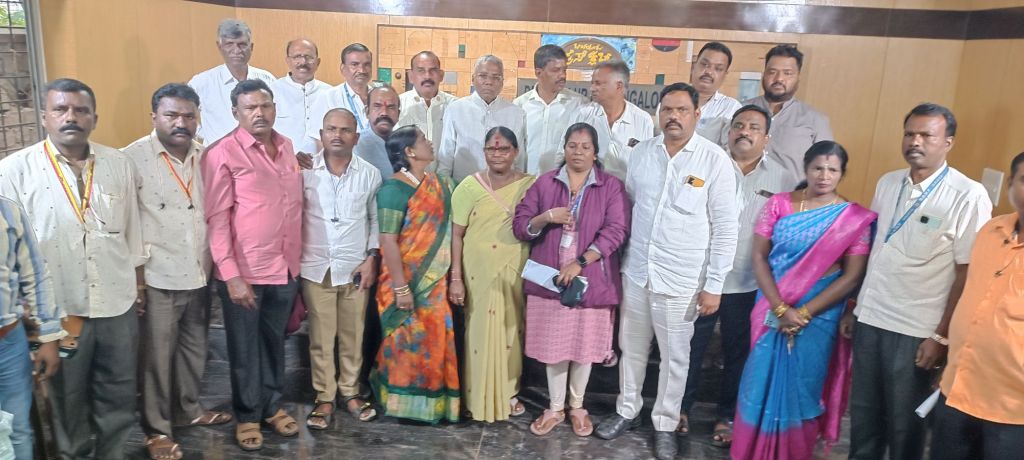
ಈ ಎಲ್ಲವು ಆದೇಶಗಳಾಗಿದ್ದು, ಈ ಕೂಡಲೇ ಜಾರಿಗೊಳಿಸಲು ಮತ್ತೊಮ್ಮೆ ಸರ್ಕಾರಕ್ಕೆ ಹಾಗೂ ಪಾಲಿಕೆಗೆ ಒತ್ತಾಯಿಸುತ್ತಿದ್ದೇವೆ. “ಇದನ್ನು ತಮ್ಮ ಪತ್ರಿಕೆ ಹಾಗೂ ಮಾಧ್ಯಮಗಳಲ್ಲಿ ಪ್ರಕಟಿಸಿ ತಮ್ಮ ಸಂಪೂರ್ಣ ಬೆಂಬಲ ಈ ಬಡ ಶ್ರಾಮಿಕ ವರ್ಗದವರಿಗೆ ನೀಡಬೇಕೆಂದು ತಮ್ಮಲ್ಲಿ ಕೋರುತ್ತೇವೆ.” ಎಂದು ಮಹಾಸಂಘದ ವತಿಯಿಂದ ಶ್ರೀನಾರಾಯಣ (ಮೈಸೂರು),ಬಿ.ಎಂ.ಸುರೇಶ್ ಬಾಬು ಹಾಗೂ ಮುಖಂಡರುಗಳು ಪ್ರೆಸ್ ಕ್ಲಬ್ ಆಫ್ ಬೆಂಗಳೂರ್ ನಲ್ಲಿ ನಡೆದ ಪತ್ರಿಕಾ ಗೋಷ್ಠಿ ಯಲ್ಲಿ ಉಪಸ್ಥಿತರಿದ್ದರು.
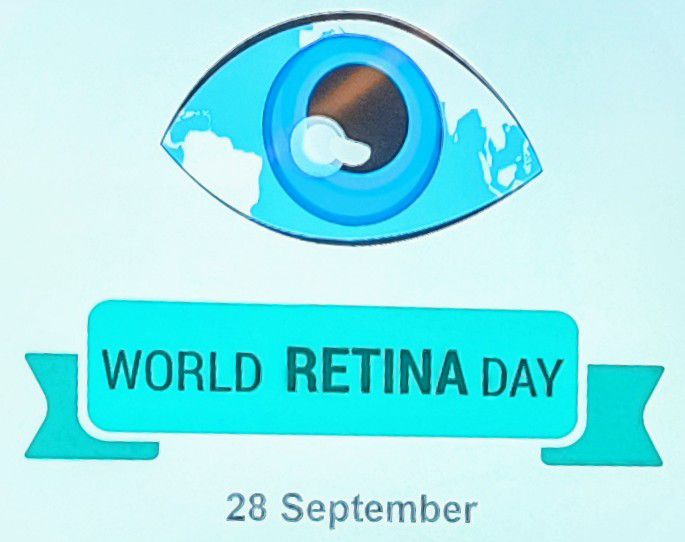
90% of blindness is preventable or treatable. Yet 1 Bn people globally live with vision loss. In 2020 alone vision impairment resulted in lost global economic productivity of $410.9 Bn. Retinal conditions like DR, DME & nAMD can result in permanent & irreversible sight loss. 21 million people are living with DME, a leading cause of vision loss among working-age adults. 20 million people are living with nAMD, a leading cause of vision loss in people aged 60 and older. India is home to 1/3rd of the world’s blind population with 11+ Mn affected by retinal conditions, and 3.88 Mn people suffering from DME and nAMD. Contribution of retinal disorders to blindness in India has increased from 4.7% (2010) to 8% (2019). With over 100 Mn diabetics & an aging population, retinal health must be prioritized in India.
The ever increasing socio-economic burden of vision loss is a growing public health concern, both globally and in India. Vision loss is the third-largest global impairment after anemia and hearing loss. While there exists general public awareness about certain kinds of visual impairments like cataract, glaucoma and refractive errors, visual disabilities arising out of retinal disorders is on a constant rise Globally, retinal diseases account for approximately 6% of blindness. Certain retinal disorders which are a consequence of uncontrolled blood sugar levels (DR and DME) and aging (nAMD), can be sight threatening, leading to permanent and irreversible vision loss, if not diagnosed and treated in a timely manner.
While initiatives in India like the National Program for Control of Blindness & Visual Impairment (NPCBVI) have made commendable strides in the reduction of cataract and glaucoma related blindness (anterior or front part of the eye), there is an urgent need to also drive focus on retinal health (posterior or back part of the eye); as damage to retina nerve cells is irreversible and can cause loss of central vision which is more debilitating, causing more risk of injury and poor quality of life. In India, there’s been an alarming increase in the past decade in the share of retinal disorders causing blindness. These numbers will continue to rise as our population grows, ages and the number of people living with diabetes and hypertension continues to increase.
Ecosystem challenges & barriers in diagnosis Despite the magnitude of the growing concern around retinal health in India, there exists ecosystem barriers, policy gaps, awareness challenges and treatment adherence lapses: Capacity constraints and an acute shortage of trained retina specialists: In India, the Ophthalmologist pool is highly skewed towards the anterior segment, accounting for almost 80% with only about 5% to 8% specializing in retina, that too concentrated in Tier 1 cities. Lack of standardized treatment guidelines: In India, there exists a practice of regional variance in treatment protocols which severely impacts patient outcomes. A standard practice is ‘step therapy’ in which newer treatment options are reserved for recalcitrant patients, wherein the vision has already deteriorated to the extent that these innovative therapies demonstrate little or no result in restoring vision. Poorly integrated health systems for diagnosis and patient referrals: Especially for diabetic patients, the referral pathways are fractured. Patients present themselves to retina specialists when these disorders have already reached advanced stages. Treatment burden of available therapies: Existing treatments are burdensome, requiring frequent eye injections. This may lead to under-treatment, arising out of adherence gaps; which leads to further retinal damage. Lack of public awareness: As a prevailing practice in our country, eye health is neglected. Families, corporates and institutions do not include retina in the annual health check up packages. General public is grossly unaware that conditions like diabetes can even affect vision.
Challenges in the current treatment landscape & need for innovative therapies From a patient perspective, they fear being injected in the eye as part of their treatment. Add to that the challenge of getting frequent injections and the hardship of multiple visits to eye care facilities, while dealing with poor vision. This is what many face due to older treatment options like anti-VEGFs even though they are commonly used. Previously approved treatments have only partially addressed the processes – or ‘pathways’ – that drive the development and progression of nAMD and DME. There has been a need for innovation beyond standard IVT treatment.
While IVT injections (eye injections) have brought a promising new set of options for patients, there are still unmet needs in the treatment of DME & nAMD. Current treatment requires frequent injections that burden a patient with recurring cost, inconvenience of travel and the need to depend on a caregiver. Newer emerging treatments focus on providing better outcomes with less burden on patients in terms of number and frequency of injections.
Need to adopt advanced treatment options: In order to have perfect vision, the vessels in our retina need to be stable and strong. However, the vessels of people living with retinal conditions are unstable, leaky, inflamed and grow abnormally. VEGF is one key pathway involved in the development and progression of retinal conditions. Blocking the VEGF pathway successfully stops vessels in the retina leaking blood and fluid, and new unhealthy vessels from growing. However, VEGF is not the only pathway involved. Ang-2 contributes to vascular instability, causes inflammation and facilitates and amplifies the actions of VEGF on vessels, potentially leading to a more severe condition in the long-term. Treatment options that target VEGF alone therefore only partially address the biology of the disease. We know that retinal conditions like DME and nAMD can lead to permanent and irreversible sight damage; and that the first chance of treatment is the best chance of treatment. So the goal is to treat patients with newer innovative therapies in first line settings, rather than reserving such therapies for patients whose sight condition has worsened over time. Advanced treatment options, that block both pathways involving Ang-2 and VEGF-A, are designed to stabilize blood vessels, thereby reducing inflammation, leakage and abnormal vessel growth, will go a long way in providing sustained disease control and maintaining vision outcomes.
Patients dealing from vision loss face severe challenges like social exclusion, anxiety, depressive symptoms and many hardships in their everyday lives, limiting their ability to perform even the simplest of tasks. Add to this, the burdensome treatment schedule of multiple clinic visits and frequent eye injections. There is a need for newer, innovative treatment options that offer effective clinical benefits with extended treatment durability. Such treatment options not only provide convenience to patients, ensuring treatment adherence for best outcomes, but also ease the strain on our healthcare systems. – Dr. Vivek M Bhaskar – Senior Consultant (Vitreo Retinal) – Shekar Eye Hospital, Bangalore.
India has made great strides in the reduction of cataract and glaucoma related blindness. But unfortunately, the share of retinal related vision loss is on the rise in our country. A multitude of factors have contributed to this…lack of awareness, delayed diagnosis, poor lifestyles, rise in diabetic population, our country’s aging population, capacity constraints in our healthcare systems and a diluted policy focus on prioritizing retinal conditions. There is an urgent need to galvanize efforts to give retinal vision loss its due focus and attention. – Dr. Sribhargava Natesh, Director & Vitreo Retina Consultant, Nethra Eye Hospital, Bangalore.
Glossary of abbreviations DR (diabetic retinopathy) DME (diabetic macular edema) nAMD (neovascular age-related macular degeneration) anti-VEGF (Anti-vascular endothelial growth factors) Ang-2 (angiopoietin-2) SoC (Standard of Care) MoA (Mechanism of Action) IVT (Intravitreal) Bn (Billion) Mn (Million)
18 ವರ್ಷಗಳ ಆಹಾರ ನಾವೀನ್ಯತೆ ಮತ್ತು 6 ವರ್ಷಗಳ ಪ್ಯಾಕೇಜಿಂಗ್ ಶ್ರೇಷ್ಠತೆಯನ್ನು ಆಚರಿಸಲಾಗುತ್ತಿದೆ
• ಎಫ್ಐ ಇಂಡಿಯಾ ಮತ್ತು ಪ್ರೊಪ್ಯಾಕ್ ಇಂಡಿಯಾ 2024 340 ದೇಶೀಯ ಮತ್ತು ಅಂತರಾಷ್ಟ್ರೀಯ ಪ್ರದರ್ಶಕರನ್ನು ಆಕರ್ಷಿಸಿತು ಮತ್ತು 17,000 ಕ್ಕೂ ಹೆಚ್ಚು ಉದ್ಯಮ ವೃತ್ತಿಪರರನ್ನು ಆಯೋಜಿಸಿತು, ಇದು ಬೆಂಗಳೂರು ಇಂಟರ್ನ್ಯಾಷನಲ್ ಎಕ್ಸಿಬಿಷನ್ ಸೆಂಟರ್ (ಬಿಐಇಸಿ) ನಲ್ಲಿ ಅದ್ಭುತ ಯಶಸ್ಸನ್ನು ಗಳಿಸಿತು. • ಎಫ್ಐ ಇಂಡಿಯಾ ಪ್ರಶಸ್ತಿಗಳ ಪ್ರತಿಷ್ಠಿತ 2 ನೇ ಆವೃತ್ತಿಯು ಆಹಾರ ನಾವೀನ್ಯತೆ ಮತ್ತು ಪ್ಯಾಕೇಜಿಂಗ್ ಶ್ರೇಷ್ಠತೆಯಲ್ಲಿ ಮಾನದಂಡಗಳನ್ನು ಸ್ಥಾಪಿಸಿದ ಉದ್ಯಮದ ನಾಯಕರನ್ನು ಗುರುತಿಸಿದೆ.
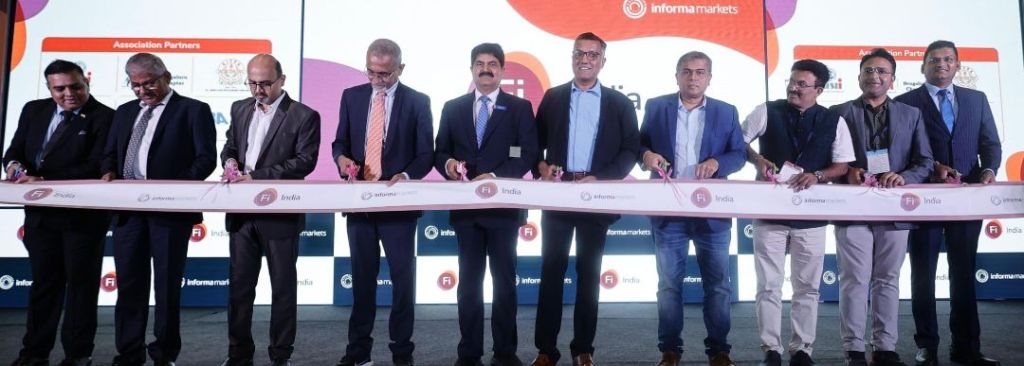
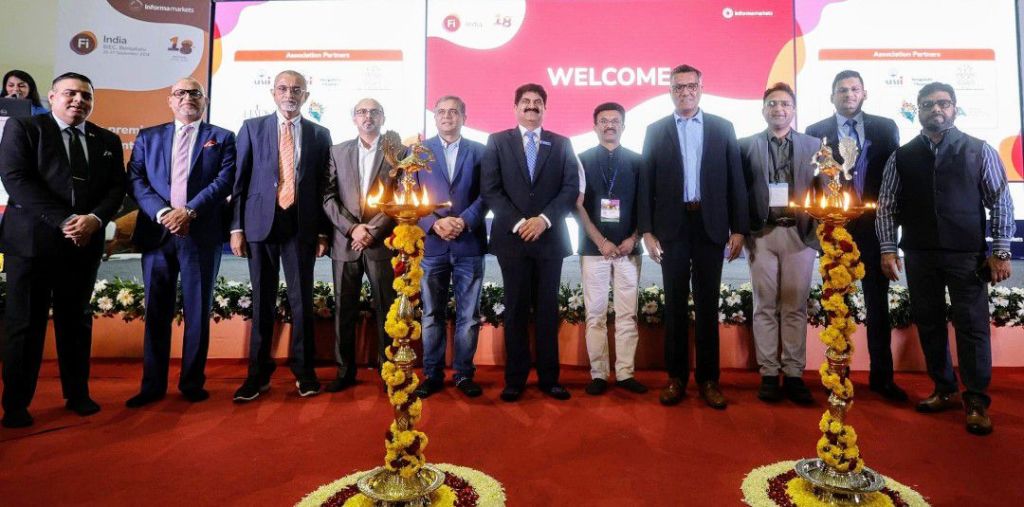
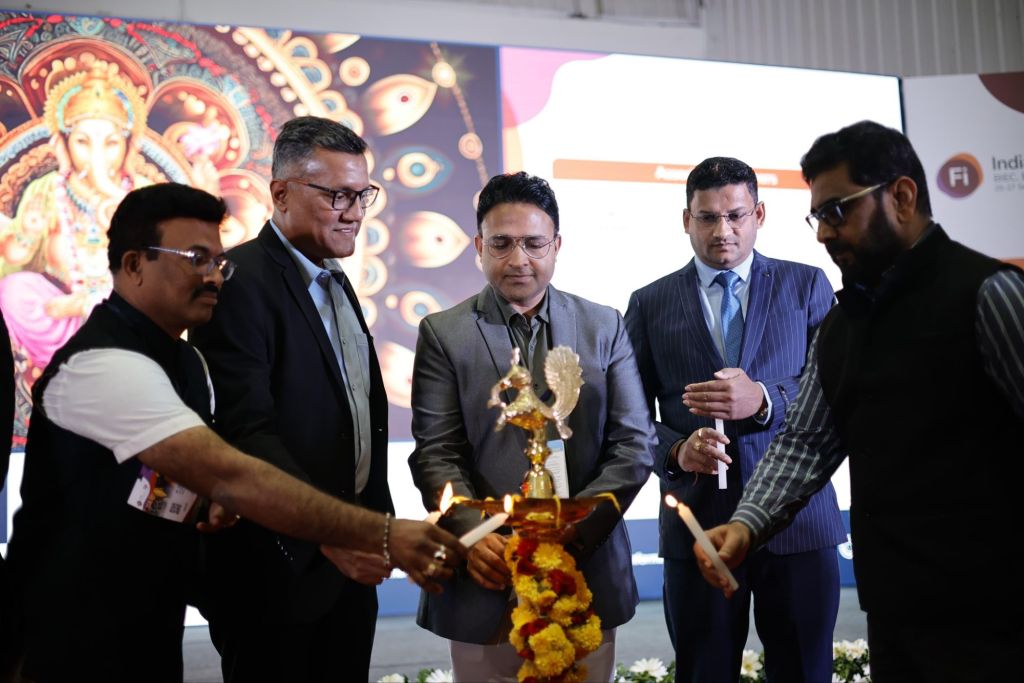
ಬೆಂಗಳೂರು, 25 ಸೆಪ್ಟೆಂಬರ್ 2024: ಎಫ್ಐ ಇಂಡಿಯಾದ 18 ನೇ ಆವೃತ್ತಿ ಮತ್ತು ಪ್ರೊಪ್ಯಾಕ್ ಇಂಡಿಯಾ ರ 6 ನೇ ಆವೃತ್ತಿ, ಎರಡೂ ಸಹ-ಸ್ಥಾಪಿತವಾಗಿದೆ, ಬೆಂಗಳೂರು ಅಂತರರಾಷ್ಟ್ರೀಯ ಪ್ರದರ್ಶನ ಕೇಂದ್ರದಲ್ಲಿ (ಬಿಐಇಸಿ) ಉತ್ತಮ ಆವೇಗದೊಂದಿಗೆ ಪ್ರಾರಂಭವಾಯಿತು, ಆಹಾರ, ಆರೋಗ್ಯ, ಪ್ಯಾಕೇಜಿಂಗ್ನ ಪ್ರಮುಖ ಪಾಲುದಾರರನ್ನು ಒಟ್ಟುಗೂಡಿಸುತ್ತದೆ. ಮತ್ತು ಸಂಸ್ಕರಣಾ ವಲಯಗಳು. ಪ್ರಮುಖ ಃ2ಃ ಪ್ರದರ್ಶನಗಳ ಸಂಘಟಕರಾದ ಭಾರತದಲ್ಲಿನ ಇನ್ಫಾರ್ಮಾ ಮಾರ್ಕೆಟ್ಸ್ನಿಂದ ಆಯೋಜಿಸಲ್ಪಟ್ಟ ಈ ಎಕ್ಸ್ಪೋಸ್ 340 ಕ್ಕೂ ಹೆಚ್ಚು ಪ್ರದರ್ಶಕರನ್ನು ಒಳಗೊಂಡಿತ್ತು ಮತ್ತು ಒಟ್ಟಾರೆಯಾಗಿ 17,000 ಕ್ಕೂ ಹೆಚ್ಚು ಸಂದರ್ಶಕರನ್ನು ಆಕರ್ಷಿಸಿತು. ಎಫ್ಐ ಇಂಡಿಯಾ ಮತ್ತು ಪ್ರೊಪ್ಯಾಕ್ ಇಂಡಿಯಾ ನಾವೀನ್ಯತೆಗಳನ್ನು ಚಾಲನೆ ಮಾಡಲು ಮತ್ತು ಹೊಸ ಟ್ರೆಂಡ್ಗಳನ್ನು ಸ್ಥಾಪಿಸಲು ಪ್ರಮುಖ ವೇದಿಕೆಯಾಗಿ ಕಾರ್ಯನಿರ್ವಹಿಸುತ್ತವೆ, ಆಹಾರ, ಪಾನೀಯ ಮತ್ತು ಆರೋಗ್ಯ ಪದಾರ್ಥಗಳಿಗಾಗಿ ವಾರ್ಷಿಕ ಏಕ-ನಿಲುಗಡೆ ಸೋರ್ಸಿಂಗ್ ತಾಣವನ್ನು ನೀಡುತ್ತವೆ, ಜೊತೆಗೆ ಸಂಸ್ಕರಣೆ ಮತ್ತು ಪ್ಯಾಕೇಜಿಂಗ್ ಪರಿಹಾರಗಳನ್ನು ನೀಡುತ್ತವೆ.
ವಿಶ್ವ ಪ್ಯಾಕೇಜಿಂಗ್ ಸಂಸ್ಥೆಯ ಜಾಗತಿಕ ರಾಯಭಾರಿ ಶ್ರೀ ಚಕ್ರವರ್ತಿ ಎವಿಪಿಎಸ್ ಸೇರಿದಂತೆ ಪ್ರತಿಷ್ಠಿತ ಗಣ್ಯರು ಗೌರವಾನ್ವಿತ ಎಕ್ಸ್ಪೋದ ಉದ್ಘಾಟನೆಯಲ್ಲಿ ಭಾಗವಹಿಸಿದ್ದರು. ಡಾ. ಸುರೇಶ, ಅಧ್ಯಕ್ಷ ಎಎಫ್ಎಸ್ಟಿಐ, ಬೆಂಗಳೂರು ಚಾಪ್ಟರ್; ಶ್ರೀ ನಿಲೇಶ್ ಲೆಲೆ, ಅಧ್ಯಕ್ಷರು, ಸಣ್ಣ ಮತ್ತು ಮಧ್ಯಮ ವ್ಯವಹಾರಗಳ ಪ್ರಗತಿಗಾಗಿ ಚೇಂಬರ್; ಡಾ ಪ್ರಬೋಧ್ ಹಲ್ಡೆ, ಚೇಂಬರ್ ಫಾರ್ ಅಡ್ವಾನ್ಸ್ಮೆಂಟ್ ಆಫ್ ಸ್ಮಾಲ್ ಅಂಡ್ ಮೀಡಿಯಂ ಬ್ಯುಸಿನೆಸ್; ಶ್ರೀ ಪ್ರಸಾದ್ ಬಾಲನ್ ಅಯ್ಯರ್, ನಿರ್ದೇಶಕರು, ಎಸ್ಐಇಎಸ್ ಸ್ಕೂಲ್ ಆಫ್ ಪ್ಯಾಕೇಜಿಂಗ್; ಶ್ರೀ ಸಾಗರ್ ಸಿಂಗ್, ಜಂಟಿ ನಿರ್ದೇಶಕರು, ರಾಸಾಯನಿಕ ಇಲಾಖೆ, ಬ್ಯೂರೋ ಆಫ್ ಇಂಡಿಯನ್ ಸ್ಟ್ಯಾಂಡಡ್ರ್ಸ್ (ಬಿಐಎಸ್) ಗ್ರಾಹಕ ವ್ಯವಹಾರಗಳು, ಆಹಾರ ಮತ್ತು ಸಾರ್ವಜನಿಕ ವಿತರಣಾ ಸಚಿವಾಲಯ, ಭಾರತ ಸರ್ಕಾರ; ಶ್ರೀ ರಾಜೇಶ್ವರ್ ಎಸ್. ಮ್ಯಾಚೆ, ಮುಖ್ಯ ವಿಜ್ಞಾನಿ|ಮುಖ್ಯಸ್ಥ | ಪ್ರೊಫೆಸರ್ ಎಸಿಎಸ್ಐಆರ್ಎಂ, ಡಿಪಾಟ್ರ್ಮೆಂಟ್. ಫುಡ್ ಪ್ಯಾಕೇಜಿಂಗ್ ಟೆಕ್ನಾಲಜಿ, ಸಿಎಸ್ಐಆರ್- ಸೆಂಟ್ರಲ್ ಫುಡ್ ಟೆಕ್ನಾಲಜಿಕಲ್ ರಿಸರ್ಚ್ ಇನ್ಸ್ಟಿಟ್ಯೂಟ್, ಮೈಸೂರು, ಕರ್ನಾಟಕ; ಶ್ರೀ ಯೋಗೇಶ್ ಮುದ್ರಾಸ್, ಮ್ಯಾನೇಜಿಂಗ್ ಡೈರೆಕ್ಟರ್, ಇನ್ ಫಾರ್ಮಾ ಮಾರ್ಕೆಟ್ಸ್ ಇನ್ ಇಂಡಿಯಾ ಮತ್ತು ಶ್ರೀ ರಾಹುಲ್ ದೇಶಪಾಂಡೆ, ಸೀನಿಯರ್ ಗ್ರೂಪ್ ಡೈರೆಕ್ಟರ್, ಇನ್ ಇಂಡಿಯಾ ಇನ್ ಫಾರ್ಮಾ ಮಾರ್ಕೆಟ್ಸ್.
ಕಾರ್ಯಕ್ರಮದಲ್ಲಿ ಮಾತನಾಡಿದ ಎಎಫ್ಎಸ್ಟಿಐ, ಬೆಂಗಳೂರು ಚಾಪ್ಟರ್ನ ಅಧ್ಯಕ್ಷ ಡಾ ಸುರೇಶ, “ಭಾರತದ ಆಹಾರ ಉದ್ಯಮವು ಗಮನಾರ್ಹ ಬೆಳವಣಿಗೆಯನ್ನು ಕಾಣುತ್ತಿದೆ, ರಫ್ತು ಸುಮಾರು ಆರು ಪಟ್ಟು ಹೆಚ್ಚಾಗಿದೆ. ರಾಗಿ ಮತ್ತು ಹಾಲಿನ ಅತಿದೊಡ್ಡ ಉತ್ಪಾದಕರಾಗಿ, ಭಾರತವು 2030 ರ ವೇಳೆಗೆ ಹಾಲಿನ ಉತ್ಪಾದನೆಯನ್ನು 230 ರಿಂದ 300 ಮಿಲಿಯನ್ ಮೆಟ್ರಿಕ್ ಟನ್ಗಳಿಗೆ ಹೆಚ್ಚಿಸುವ ಗುರಿಯನ್ನು ಹೊಂದಿದೆ. ಹೆಚ್ಚುವರಿಯಾಗಿ, ಧಾನ್ಯ ಉತ್ಪಾದನೆಯು 330 ಮಿಲಿಯನ್ ಮೆಟ್ರಿಕ್ ಟನ್ಗಳನ್ನು ಮೀರಿದೆ ಮತ್ತು ದೇಶವು ಎರಡನೇ ಅತಿದೊಡ್ಡ ಮಾಂಸ ಉತ್ಪಾದಕವಾಗಿದ್ದು, ರಫ್ತುಗಳನ್ನು ವಿಸ್ತರಿಸುವುದರ ಮೇಲೆ ಒತ್ತು ನೀಡುತ್ತಿದೆ” ಎಂದರು. ಮುಂದುವರೆದ ಅವರು, “ಪ್ಯಾಕೇಜಿಂಗ್ ಉದ್ಯಮವು ಒಂದು ದಶಕದ ಹಿಂದೆ ಹೋಲಿಸಿದರೆ ಸುಮಾರು ಆರು ಪಟ್ಟು ಬೆಳೆಯುತ್ತಿದೆ, ಈ ವಿಸ್ತರಣೆಯನ್ನು ಬೆಂಬಲಿಸುವಲ್ಲಿ ನಿರ್ಣಾಯಕ ಪಾತ್ರವನ್ನು ವಹಿಸುತ್ತದೆ. ಆತ್ಮ ನಿರ್ಭರ್ ಭಾರತ್ನಂತಹ ಸರ್ಕಾರಿ ಉಪಕ್ರಮಗಳು ಆಹಾರ ಸಂಸ್ಕರಣೆಯಲ್ಲಿ ಬೆಳವಣಿಗೆಯನ್ನು ಮತ್ತಷ್ಟು ಉತ್ತೇಜಿಸುತ್ತಿವೆ, ಮೊದಲ ಐದು ವರ್ಷಗಳವರೆಗೆ ಯಾವುದೇ ಜಿಎಸ್ಟಿ ಮತ್ತು ಹೆಚ್ಚುವರಿ ಸಬ್ಸಿಡಿಗಳನ್ನು ಒಳಗೊಂಡಂತೆ ಮಹಿಳಾ ನೇತೃತ್ವದ ಸ್ಟಾರ್ಟ್ಅಪ್ಗಳಿಗೆ ಪ್ರಯೋಜನಗಳನ್ನು ನೀಡುತ್ತಿವೆ. ಬೆಂಗಳೂರು ಆಹಾರ ಉದ್ಯಮದ ಆರ್ ಅಂಡ್ ಡಿ ಕೇಂದ್ರವಾಗಿ ತನ್ನ ಸ್ಥಾನವನ್ನು ಬಲಪಡಿಸುವುದನ್ನು ಮುಂದುವರೆಸಿದೆ, ಈ ಪ್ರವೃತ್ತಿಗಳು ಉದ್ಯಮದ ಭವಿಷ್ಯವನ್ನು ರೂಪಿಸುವಲ್ಲಿ ಪದಾರ್ಥಗಳು ಮತ್ತು ಪ್ಯಾಕೇಜಿಂಗ್ ಎರಡರ ನಿರ್ಣಾಯಕ ಪಾತ್ರವನ್ನು ಒತ್ತಿಹೇಳುತ್ತವೆ.” ಎಂದು ಹೇಳಿದರು.
ನಂತರ ವಿಶ್ವ ಪ್ಯಾಕೇಜಿಂಗ್ ಸಂಸ್ಥೆಯ ಜಾಗತಿಕ ರಾಯಭಾರಿ ಶ್ರೀ ಚಕ್ರವರ್ತಿ ಎವಿಪಿಎಸ್ ತಮ್ಮ ಭಾಷಣದಲ್ಲಿ “ಭಾರತದ ಆರೋಹಣ ಆರ್ಥಿಕತೆಯು ತನ್ನ ಆಹಾರ ಮತ್ತು ಕೃಷಿ ಕ್ಷೇತ್ರದಿಂದ ಗಮನಾರ್ಹವಾದ ಉತ್ತೇಜನವನ್ನು ಪಡೆಯಲು ಸಿದ್ಧವಾಗಿದೆ, ಇದು ಪ್ರಮುಖ ಕೊಡುಗೆಯಾಗಿ ಹೊರಹೊಮ್ಮಲು ಯೋಜಿಸಲಾಗಿದೆ. ಈ ರೂಪಾಂತರವನ್ನು ಮುನ್ನಡೆಸುವುದು ಎಫ್ಐ ಇಂಡಿಯಾ ಮತ್ತು ಪ್ರೊಪ್ಯಾಕ್ ಇಂಡಿಯಾ, ನಾವೀನ್ಯಕಾರರು ಮತ್ತು ಮಧ್ಯಸ್ಥಗಾರರಿಗೆ ಡೈನಾಮಿಕ್ ಒಮ್ಮುಖ ಬಿಂದುವನ್ನು ಒದಗಿಸುತ್ತಿದೆ, ಭಾರತದ ಪ್ಯಾಕೇಜಿಂಗ್ ಉದ್ಯಮವು ಈಗಾಗಲೇ $ 85 ಶತಕೋಟಿಯನ್ನು ಮೀರಿದೆ, ಆದರೆ ಜಾಗತಿಕವಾಗಿ ಇದು $ 1.05 ಟ್ರಿಲಿಯನ್ ತಲುಪಿದೆ, ಇದು ಆಹಾರದ ಭವಿಷ್ಯವನ್ನು ರೂಪಿಸುವಲ್ಲಿ ಸುಸ್ಥಿರ ಮತ್ತು ಗ್ರಾಹಕ-ಕೇಂದ್ರಿತ ಪ್ಯಾಕೇಜಿಂಗ್ನ ನಿರ್ಣಾಯಕ ಪಾತ್ರವನ್ನು ಎತ್ತಿ ತೋರಿಸುತ್ತದೆ. ಒಂದು ಕಾಲದಲ್ಲಿ ಆಮದುಗಳ ಮೇಲೆ ಅವಲಂಬಿತವಾಗಿದ್ದ ಯಂತ್ರೋಪಕರಣಗಳು ಮತ್ತು ಸಂಸ್ಕರಣಾ ತಂತ್ರಜ್ಞಾನಗಳ ವಿಕಸನವು ಈಗ ಶೆಲ್ಫ್ ಜೀವನವನ್ನು ವಿಸ್ತರಿಸಲು, ಆಹಾರ ಸುರಕ್ಷತೆಯನ್ನು ಹೆಚ್ಚಿಸಲು ಮತ್ತು ಜಾಗತಿಕ ರಫ್ತುಗಳಲ್ಲಿ ಭಾರತದ ಬೆಳವಣಿಗೆಯನ್ನು ಬೆಂಬಲಿಸಲು ನಿರ್ಣಾಯಕವಾಗಿದೆ.” ಎಂದು ಹೇಳಿದರು.
ಈ ಸಂದರ್ಭದಲ್ಲಿ ಮಾತನಾಡಿದ ಭಾರತದ ಇನ್ಫಾರ್ಮಾ ಮಾರ್ಕೆಟ್ಸ್ನ ಮ್ಯಾನೇಜಿಂಗ್ ಡೈರೆಕ್ಟರ್ ಶ್ರೀ ಯೋಗೇಶ್ ಮುದ್ರಾಸ್, “ಭಾರತದ ಆಹಾರ ಸಂಸ್ಕರಣಾ ಕ್ಷೇತ್ರವು ಪರಿವರ್ತನೆಗೆ ಒಳಗಾಗುತ್ತಿದೆ, ಪ್ರಧಾನ ಮಂತ್ರಿ ಕಿಸಾನ್ ಸಂಪದಾ ಯೋಜನೆ (ಪಿಎಂಕೆಎಸ್ವೈ) ಯಂತಹ ಉಪಕ್ರಮಗಳಿಂದ ಬೆಂಬಲಿತವಾಗಿದೆ. ಮೂಲಸೌಕರ್ಯವು ಆಹಾರ ಉತ್ಪಾದನೆಯಲ್ಲಿ ಜಾಗತಿಕ ನಾಯಕನಾಗಿ, 2022-23 ರಲ್ಲಿ 11 ಮಿಲಿಯನ್ ಟನ್ಗಳಿಗಿಂತ ಹೆಚ್ಚು ಉತ್ಪಾದಿಸುತ್ತದೆ, ಇದು ಧಾನ್ಯಗಳು, ದ್ವಿದಳ ಧಾನ್ಯಗಳು ಮತ್ತು ತರಕಾರಿಗಳನ್ನು ಬೆಳೆಯಲು ಅನುವು ಮಾಡಿಕೊಡುತ್ತದೆ ಎಫ್ಐ ಇಂಡಿಯಾ ಮತ್ತು ಪ್ರೊಪ್ಯಾಕ್ ಇಂಡಿಯಾ 2024 ರ ಯಶಸ್ಸಿನಲ್ಲಿ ಕಂಡುಬರುವಂತೆ ಅನುಕೂಲತೆ ಮತ್ತು ಸುಸ್ಥಿರತೆಯಿಂದ ನಡೆಸಲ್ಪಡುವ ಪ್ಯಾಕೇಜಿಂಗ್ ಉದ್ಯಮವು ಸ್ಪಷ್ಟವಾಗಿದೆ, ನಾವೀನ್ಯತೆ ಮತ್ತು ಸಹಯೋಗವನ್ನು ಪ್ರದರ್ಶಿಸುತ್ತದೆ” ಎಂದು ಹೇಳಿದರು.
“ಬೆಂಗಳೂರು ಪ್ರಬಲವಾದ ಅಗ್ರಿಟೆಕ್ ಪರಿಸರ ವ್ಯವಸ್ಥೆ ಮತ್ತು ದಕ್ಷಿಣ ಭಾರತದಲ್ಲಿ ಕಾರ್ಯತಂತ್ರದ ಸ್ಥಳದಿಂದಾಗಿ ಪ್ರಮುಖ ಮಾರುಕಟ್ಟೆಯಾಗಿ ಉಳಿದಿದೆ, ಇದು ಆಹಾರ ಸಂಸ್ಕರಣೆ ಮತ್ತು ಪ್ಯಾಕೇಜಿಂಗ್ನಲ್ಲಿ ಬೆಳವಣಿಗೆಯನ್ನು ಹೆಚ್ಚಿಸಲು ಇದು ಪರಿಪೂರ್ಣ ಕೇಂದ್ರವಾಗಿದೆ” ತಮ್ಮ ಮಾತಿಗೆ ಸೇರ್ಪಡೆಗೊಳಿಸಿದರು.
ಉದ್ಯಮ ಬೆಂಬಲ ಮತ್ತು ಪ್ರಮುಖ ಪ್ರದರ್ಶಕರು
ಎಫ್ಐ ಇಂಡಿಯಾ ಮತ್ತು ಪ್ರೊಪ್ಯಾಕ್ ಇಂಡಿಯಾ 2024, ಎಎಫ್ಎಸ್ಟಿಎಲ್-ಮೈಸೂರು ಮತ್ತು ಬೆಂಗಳೂರು ಚಾಪ್ಟರ್ಗಳಂತಹ ಪ್ರಮುಖ ಉದ್ಯಮ ಸಂಘಗಳಿಂದ ಬೆಂಬಲಿತವಾಗಿದೆ (ಅಸೋಸಿಯೇಷನ್ ಆಫ್ ಫುಡ್ ಸೈಂಟಿಸ್ಟ್ಸ್ & ಟೆಕ್ನಾಲಜಿಸ್ಟ್ಸ್ ಇಂಡಿಯಾ), ಹೆಚ್ಎಡಿಎಸ್ಎ (ಆರೋಗ್ಯ ಆಹಾರಗಳು ಮತ್ತು ಆಹಾರ ಪೂರಕಗಳ ಸಂಘ), ಸಿಎಎಸ್ಎಂಬಿ, ಮತ್ತು ಐಬಿಎ ಎಐಎಫ್ಪಿಎ (ಅಖಿಲ ಭಾರತ ಆಹಾರ ಸಂಸ್ಕಾರಕಗಳು ‘ಅಸೋಸಿಯೇಷನ್), ಎಸ್ಐಇಎಸ್ (ದಕ್ಷಿಣ ಭಾರತೀಯ ಶಿಕ್ಷಣ ಸೊಸೈಟಿ), ಎಎಸ್ಪಿಎ (ದೃಢೀಕರಣ ಪರಿಹಾರ ಪೂರೈಕೆದಾರರ ಸಂಘ), ಈವೆಂಟ್ನ ಮಹತ್ವ ಮತ್ತು ಉದ್ಯಮದ ಪ್ರಭಾವವನ್ನು ಮತ್ತಷ್ಟು ಬಲಪಡಿಸುತ್ತದೆ.
ಉದ್ಯಮದ ಬೆಳವಣಿಗೆ ಮತ್ತು ಮಾರುಕಟ್ಟೆ ಒಳನೋಟಗಳು
ಸಾಂಕ್ರಾಮಿಕ ನಂತರದ ಯುಗವು ಆನ್ಲೈನ್ ಆಹಾರ ವಲಯ ಮತ್ತು ಪ್ಯಾಕೇಜ್ ಮಾಡಿದ ಆಹಾರ ಉತ್ಪನ್ನಗಳಲ್ಲಿ ಗಮನಾರ್ಹ ಬೆಳವಣಿಗೆಗೆ ನಾಂದಿ ಹಾಡಿದೆ. ಐಎಂಎಆರ್ಸಿ ಇಂಡಿಯಾದ ವರದಿಯ ಪ್ರಕಾರ, ಪ್ಯಾಕೇಜ್ ಮಾಡಿದ ಆಹಾರದ ಮಾರುಕಟ್ಟೆ ಗಾತ್ರವು 2027 ರ ವೇಳೆಗೆ ಯುಎಸ್ಡಿ 3.4 ಶತಕೋಟಿಗೆ ತಲುಪುತ್ತದೆ ಎಂದು ಅಂದಾಜಿಸಲಾಗಿದೆ. ದೇಶದ ಒಟ್ಟು ಆಹಾರ ಮಾರುಕಟ್ಟೆಯ 32% ಅನ್ನು ಪ್ರತಿನಿಧಿಸುವ ಭಾರತೀಯ ಆಹಾರ ಸಂಸ್ಕರಣಾ ಉದ್ಯಮವು ಭಾರತದ ಅತಿದೊಡ್ಡ ಕ್ಷೇತ್ರಗಳಲ್ಲಿ ಒಂದಾಗಿದೆ, ಕೊಡುಗೆ ನೀಡುತ್ತದೆ ಉತ್ಪಾದನಾ ಜಿಡಿಪಿಗೆ ಸರಿಸುಮಾರು 14%, ರಫ್ತುಗಳಿಗೆ 13% ಮತ್ತು ಒಟ್ಟು ಕೈಗಾರಿಕಾ ಅಭಿವೃದ್ಧಿಗೆ 6%. 2025-2026 ರ ವೇಳೆಗೆ, ಈ ವಲಯವು ಯುಎಸ್ಡಿ 535 ಶತಕೋಟಿಗಿಂತ ಹೆಚ್ಚಿನ ಮೌಲ್ಯವನ್ನು ನಿರೀಕ್ಷಿಸಲಾಗಿದೆ.
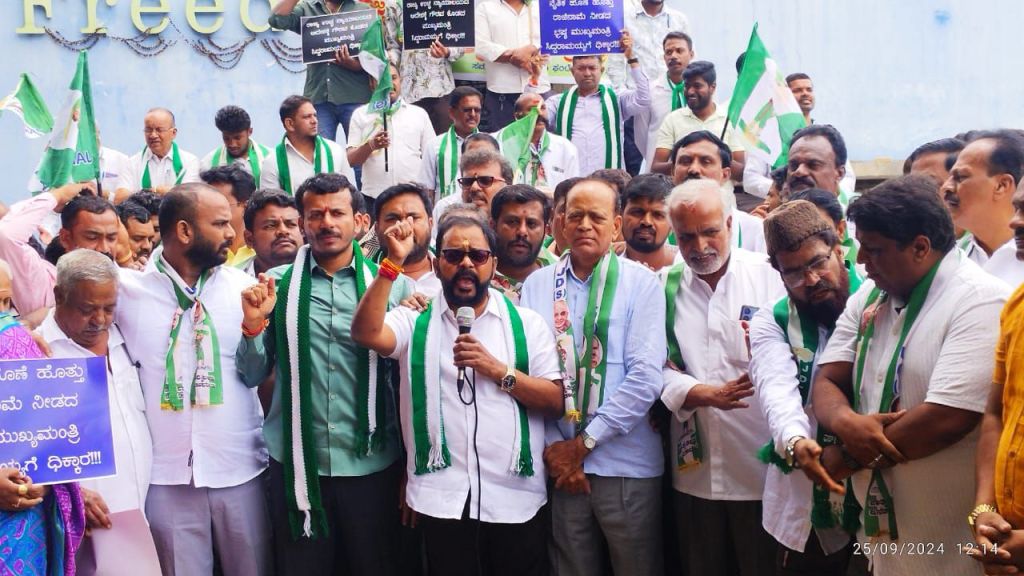
ರಾಜ್ಯದ ಮುಖ್ಯಮಂತ್ರಿ ಸಿದ್ದರಾಮಯ್ಯ ವಿರುದ್ಧ ರಾಜ್ಯಪಾಲರ ಪ್ರಾಸಿಕ್ಯೂಶನ್ ಹೈಕೋರ್ಟ್ ಎತ್ತಿ ಹಿಡಿದಿದೆ. ಹೀಗೆ ತನಿಖೆಗೆ ಗ್ರೀನ್ ಸಿಗ್ನಲ್ ಕೊಟ್ಟಿರುವ ತೀರ್ಪಿನಲ್ಲಿ ಸಿದ್ದರಾಮಯ್ಯ ಅವರಿಗೆ ಹೈಕೋರ್ಟ್ ಕಪಾಳ ಮೋಕ್ಷ ಮಾಡಿದೆ ಎಂದು *ಜೆಡಿಎಸ್ ಶಾಸಕಾಂಗ ಪಕ್ಷದ ಉಪನಾಯಕರು ಮತ್ತು ಕರ್ನಾಟಕ ವಿಧಾನ ಪರಿಷತ್ ಶಾಸಕರಾದ ಟಿ. ಎ. ಶರವಣ* ಅವರು ಜೆಡಿಎಸ್ ಪಕ್ಷದ ವತಿಯಿಂದ ಫ್ರೀಡಂ ಪಾರ್ಕ್ ನಲ್ಲಿ ನಡೆದ ಪ್ರತಿಭಟನೆಯ ವೇಳೆ ಹೇಳಿಕೆ ನೀಡಿದರು.
ಅಂದ್ರೆ ಮೂಡಾ ಪ್ರಕರಣದಲ್ಲಿ ಸಿದ್ದರಾಮಯ್ಯ ತಮ್ಮ ಕುಟುಂಬಕ್ಕೆ ನೆರವಾಗುವ ರೀತಿಯಲ್ಲಿ ಮುಖ್ಯಂತ್ರಿಯಾಗಿ ಪ್ರಭಾವದ ದುರ್ಬಳಕೆ ಮಾಡಿದ್ದಾರೆ ಎಂದು ನ್ಯಾಯಾಲಯ ಸ್ಪಷ್ಟವಾಗಿ ತನ್ನ ಆದೇಶದಲ್ಲಿ ತಿಳಿಸಿದೆ. ಸಿಎಂ ಶ್ರೀಮತಿ ಅವರ ಸೈಟು ಪರ ಪ್ರತಿಬಾರಿಯೂ ಮೂಡಾ ತೀರ್ಮಾನ ಕೈಗೊಳ್ಳುವಾಗ ಸಿದ್ದರಾಮಯ್ಯ ಪ್ರಭಾವಿ ಹುದ್ದೆಯಲ್ಲಿ ಇದ್ದರು.ಈ ಹುದ್ದೆಯ ಪ್ರಭಾವದಿಂದ ಸಿಎಂ ಶ್ರೀಮತಿ ಅವರಿಗೆ ಎರಡು ಸೈಟುಗಳು ಪರಿಹಾರವಾಗಿ ಸಿಗುವ ಬದಲು 14ಸೈಟುಗಳು ಸಿಕ್ಕಿವೆ ಎಂದು ನ್ಯಾಯಾಲಯ ಹೇಳಿದೆ ಎಂದು ತಿಳಿಸಿದರು.
ಅಂದ್ರೆ ಹೈಕೋರ್ಟ್ ಸಿದ್ದರಾಮಯ್ಯ ಅವರಿಗೆ ಬಹುತೇಕ ಛೀಮಾರಿ ಹಾಕಿದೆ. ಈ ಪ್ರಕರಣಕ್ಕೂ ನನಗೂ ಸಂಬಂಧ ಇಲ್ಲ ಎಂದು ಸಿಎಂ ಹೇಳಿದರೂ , 62ಕೋಟಿ ರೂಪಾಯಿ ಪರಿಹಾರ ಕೇಳಿದ್ದೇಕೆ? ಎನ್ನುವುದು ನ್ಯಾಯಾಲಯ ಪ್ರಶ್ನೆ. ಹಾಗೆ ಇದು ನಮ್ಮೆಲ್ಲರ ಪ್ರಶ್ನೆ ಕೂಡ ಎಂದು ಈ ವೇಳೆ ತಿಳಿಸಿದರು.
ಹೀಗಾಗಿ..ಸಿದ್ದರಾಮಯ್ಯ ರಾಜೀನಾಮೆ ಕೊಡದೆ ಬೇರೆ ದಾರಿ ಇಲ್ಲ. ತನಿಖೆಗೆ ಹಸಿರು ನಿಶಾನೆ ಕೊಡುವ ಭರಾಟೆ ಯಲ್ಲಿ ನ್ಯಾಯಾಲಯ ಈ ಮೂಡಾ ಪ್ರಕರಣದಲ್ಲಿ ಸಿಎಂ ಭಾಗಿ ಆಗಿರುವುದನ್ನು ಖಚಿತಪಡಿಸಿದ್ದು, ಅವರು ರಾಜೀನಾಮೆ ಕೊಡಲೇ ಬೇಕು. ಆರೋಪಕ್ಕೆ ಗುರಿಯಾದ ವ್ಯಕ್ತಿ ಪ್ರಭಾವಿ ಹುದ್ದೆಯಲ್ಲಿ ಇದ್ದರೆ ನಿಷ್ಪಕ್ಸಪಾತವಾದ ತನಿಖೆ ಆಗುವುದಿಲ್ಲ ಆದ್ದರಿಂದ ನಿಷ್ಪಕ್ಷಾತದಿಂದ ತನಿಖೆ ಆಗಬೇಕಾದರೆ ಸಿಎಂ ರಾಜೀನಾಮೆ ನೀಡಲೇಬೇಕು. ಇನ್ನೂ ಅತ್ಯಂತ ಮುಖ್ಯ ಅಂದ್ರೆ ರಾಜ್ಯದ ಪೊಲೀಸರು ಸಿಎಂ ಕೈ ಕೆಳಗೆ ಬರುವುದರಿಂದ ಪೊಲೀಸ್ ತನಿಖೆಯಿಂದ ನ್ಯಾಯ ಸಿಗುವುದು ಅನುಮಾನ. ಪಾರದರ್ಶಕ ತನಿಖೆ ಸಾಧ್ಯವಿಲ್ಲ. ಆದ್ದರಿಂದ ಈ ಬಗ್ಗೆ ಸಿಬಿಐ ತನಿಖೆ ನಡೆಯಬೇಕು ಎಂದು ಮಾಧ್ಯಮಗಳಿಗೆ ಹೇಳಿಕೆ ನೀಡಿದರು.
Traffic exhaust, smoke due to coal and wood burning, and passive smoking are major risk factors after tobacco
BENGALURU / September 24, 2024: Intake of tobacco (both smoke and smokeless forms) accounts for 21% of total cancer deaths worldwide, including those from lung cancer. Non-smokers can still be at risk for lung cancer due to several factors, even though smoking is the leading cause. Air pollution in various forms poses a significant risk to them. This was said by Dr. Radheshyam Naik, Consultant Medical Oncologist, Hematologist, and Bone Marrow Transplant Physician at Sammprada Hospital, Bengaluru, ahead of the World Lung Day. He said: “While the risk of lung cancer is lower for non-smokers than for smokers, they should still be aware of non-tobacco risk factors and take steps to minimize their exposure. This is especially important considering the rising incidence of lung cancer among people who have never smoked. Long-term exposure to polluted air increases the risk of lung cancer. A critical component of air pollution includes the airborne particulate matter of different sizes which are a result of combustion from various sources. Motor vehicles emissions contain many human carcinogens like diesel exhaust, benzene, polyaromatic hydrocarbons, and dioxin.” The doctor said long-term occupational exposure can happen from diesel and gasoline exhaust, inhalable dusts like metals and silica, and working in areas like mining, foundries, truck transportation, carbon black production, and asphalt. This increases the risk of lung cancer for non-smokers. Dr. Radheshyam Naik added: “The residual risk of developing lung cancer is also significant among former smokers. Ongoing research reports a favorable response to chemoprevention among former smokers when compared with current smokers. Alcohol consumption contributes to 4% of all cancers worldwide, which includes lung cancer.” Household air pollution is a result of burning of solid fuels, passive smoking, and inadequate ventilation systems. “In the Indian context, since many women tend to work from within their homes and cook very frequently, the exposure at home has a strong impact on their lung health compared with males. When contrasted with clean energy, the coal furnace which is used as a means of domestic heating in rural areas is associated with twice the risk of lung cancer,” he said. The doctor said that it is important for physicians in India to be trained to recognize the symptoms of lung cancer early. “According to research studies from South India, less than 50% of doctors suspect lung cancer when a patient presents to them with symptoms.
Evidence shows that among Indian lung cancer patients, there exists a delay of about 100 days between developing symptoms and the diagnosis of lung cancer. This duration extends by another 26 days for receiving proper treatment. A higher index of clinical suspicion should be exercised by physicians in India among those at risk for lung cancer,” Dr. Radheshyam Naik. Low dose spiral CT scanning provides a tool for early detection of lung cancer, as a complete image of the thorax can be obtained during a single hold of breath. It is important to develop lung cancer clinics in hospitals which will enable the appropriate diagnosis and treatment of lung cancer, he added.



You must be logged in to post a comment.