Indian Stroke Association Launches The Bangalore Chapter Of ‘Mission Brain Attack’ To Empower Healthcare Professionals In Stroke Management

Bangalore, 13th Oct 2024: The Indian Stroke Association (ISA) has launched MISSION BRAIN ATTACK, an initiative aimed at enhancing the awareness, education, and training of healthcare professionals in stroke prevention, immediate treatment, and rehabilitation. The campaign “Each One Teach One” addresses the alarming rise in stroke cases across India, emphasizing the urgent need for specialized training and resources to improve stroke care nationwide.

Strokes are one of the leading causes of death and disability in India, affecting approximately 1.8 million people annually. As the second most common cause of mortality and the third leading cause of disability, strokes have had a significant impact on the country’s healthcare system. Despite this, awareness about stroke symptoms and timely intervention remains low. MISSION BRAIN ATTACK seeks to close this gap by offering healthcare providers critical training on recognizing stroke symptoms early and implementing effective care protocols to improve patient outcomes.
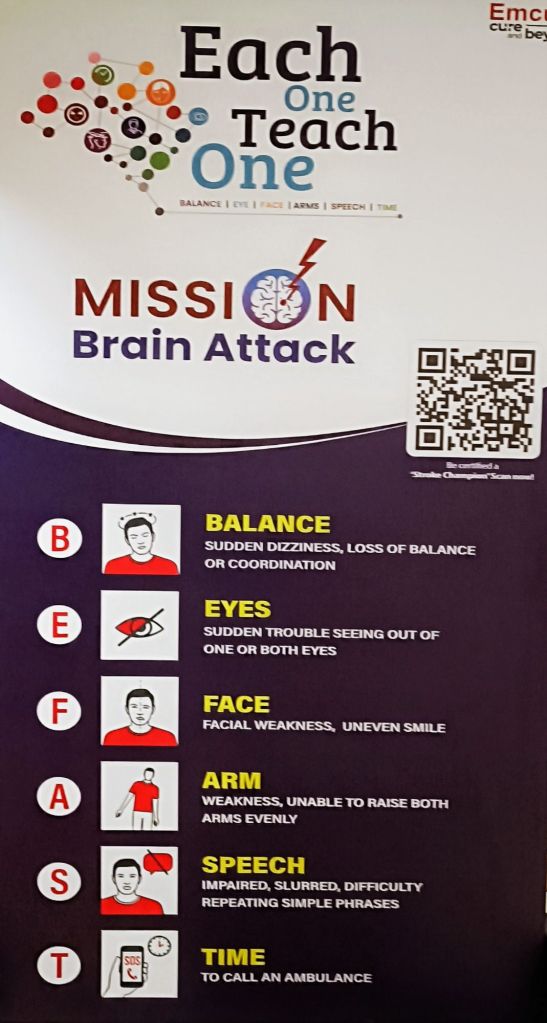
The golden hour for stroke treatment is 4 hours and 30 minutes. Prompt medical treatment within this period can reverse the effect of stroke. The MISSION BRAIN ATTACK initiative is designed to equip physicians and medical practitioners with critical information and practical training on recognizing stroke symptoms early, implementing effective treatment protocols, and delivering comprehensive care for patients experiencing strokes. The program will include workshops, webinars, real-time case studies, and access to cutting-edge online resources. These elements will help ensure that healthcare providers across India are familiar with the latest best practices in stroke management.

“The incidence of stroke is rising because of lifestyle factors and poorly identified and poorly controlled risk factors. Bangalore alone records approximately 40 new stroke cases every day. By identifying risk factors like hypertension, diabetes, high cholesterol levels, sleep apnea (snoring) and optimally treating them, quitting smoking and adopting a heathy lifestyle and diet rich in anti-oxidants and low on salt, sugar and fats, 80% of strokes can be prevented.” said Dr Amit Kulkarni, Senior Consultant & Lead- Neurology & Stroke, EC Member, Indian Stroke Association.
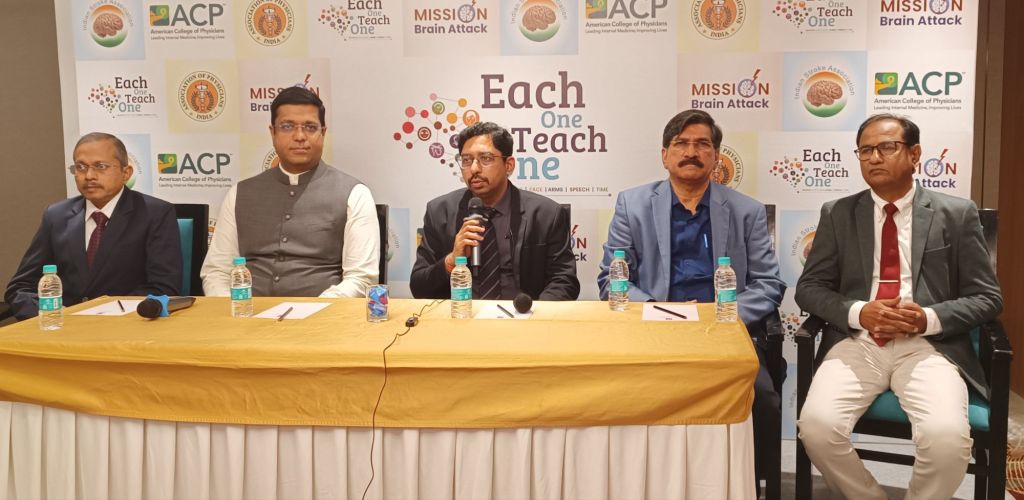
“1 in 4 of us develop strokes in our lifetime. Emergency management of stroke which includes intravenous clotbuster injection given as early as possible within 4.5 hours and mechanical removal of clot when there is a large artery blockage which can be done within 6-7 hours in most cases and upto 24 hours in selected patients can save lives and significantly improve long term outcome and make them independent in activities of daily living.”said Dr Vikram Huded, Senior Consultant & Head, Neurology & Neurointervention, Indian Stroke Association.

City Today News 9341997936
Should India Inc not reward merit and talent? Feat new legal complexity at Religare

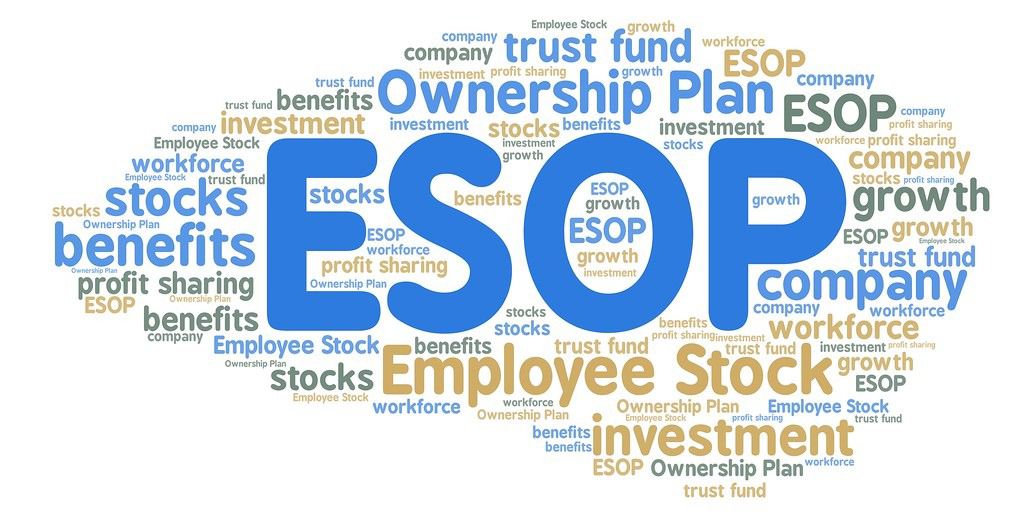
If recent developments at Religare are to be believed, the likes of Deepinder Goyal of Zomato, Salil Parkh of Infosys, or even IT-legend CP Gurnani could be raising their eyebrows. Ditto for global leaders such as Tim Cook, Satya Nadella, or Sundar Pichai who have at some time held significant ESOPs at their organisations. Across the world, ESOPs have been used as a tool to reward talented and meritorious leaders to stay onboard. However, a curious case at Religare casts a spotlight on the concept of ESOPs. The case is also be a grim representation of regulatory overreach.
Religare, already in the spotlight of a hostile takeover bid with the Dabur headed Burmans, has been facing a legal case. In the most recent turn of events in the case, the Enforcement Directorate has slapped provisions of PMLA (Prevention of Money Laundering) alleging misuse of ESOPs. In their legal filings, the Religare team has documented how the ESOP process was undertaken. Their documentation clarifies that the board approval was sought months ahead of the ESOP acquisition. There is also clarification about a borrowing process undertaken by the Chairperson for the fair-value on the ESOPs. Therefore, the ESOP plan followed not just SEBI’s 2013 legal structure, but also conformed with board approvals and the internal NRC committee recommendations.
To India Inc, the development may come as a huge surprise. Surprise, because CEOs and senior leadership are frequently rewarded with ESOPs, reflecting their role in driving the company’s strategic vision and performance. In Aug-24, Nykaa, an startup unicorn, had allotted 15.9  crore equity shares under its ESOP plan. By offering equity, organisations ensure that their top executives are motivated to drive long-term company growth, with the potential for substantial personal financial gains. ESOPs are therefore believed to be excellent remuneration packages, but conventions of PMLA (Prevention of Money Laundering) upon Religare sends the wrong message. India Inc may interpret that rewarding talented employees with ESOPs could invite legal wrath.
In India, ESOPs are governed by a combination of corporate, tax, and legal regulations. Under corporate law, particularly the Companies Act of 2013, companies can issue ESOPs to their employees, directors, and officers, but with certain restrictions for independent directors and promoters. The issuance of ESOPs requires the approval of the board of directors as well as the shareholders via a special resolution. The company must also adhere to the guidelines laid out by the Securities and Exchange Board of India (SEBI) for publicly listed companies, ensuring transparency in the issuance and vesting of stock options. Until 2020, any board contemplating an ESOP would be busy scrutinising the tax angle. That, because when the options are exercised, the difference between the fair market value (FMV) of the shares and the exercise price was to be treated as a prerequisite and taxed as part of the employee’s salary under India’s Income Tax Act, 1961.
Second, when the shares were sold, any gains were subject to capital gains tax. The holding period between the exercise date and sale would determine whether short-term or long-term capital gains tax applies, with long-term capital gains on listed securities taxed at a lower rate. In the curious case at Religare, their legal team has provisioned the tax payment receipts showcasing that all legal processes were closely followed.
Some observers have been quick to point out the timing of Dr Saluja’s sale of the ESOPs – post the announcement of the acquisition from Dabur Group. The legal team has contested the claims. There is the reference to Tim Cook, the CEO of Apple who sold 200,000 shares of Apple in the week that the Cupertino headquartered tech-major launched a new upgrade. Should Tim Cook’s stock-sale in April 2024 be scrutinised? Fortunately, Mr Cook was not an Indian CEO.
Equating ESOP acquisition or a transaction under the tenets of money-laundering may not seem like a genuine investigation. That, especially in the absence of credible information about a material gain made by a leader the stature of Tim Cook or Dr Saluja. At best, the legal aspect seems like a misaligned adventure of blaming ESOPs and tarnishing the image of Dr Saluja who has steered Religare away from near-death. At its worst, it is a misinterpretation that India Inc should not reward talented and meritorious leaders. 

City Today News 9341997936

National Symposium on Elder Psychological Wellbeing (NSEPW) 2024

Bangalore, India Sep 23, 2024: In recognition of the United Nations’ International Day of Older Persons, Charista Foundation in partnership with SENI by TZMO, India is organizing The National Symposium on Elder Psychological Wellbeing 2024 (NSEPW) on October 1, 2024, a pivotal event aimed at addressing the rising issue of loneliness and depression amongst the elderly population at discussing, interpreting and policy making levels. The symposium will take place at the Bangalore International Centre from 08:30 Hrs to 18:00 Hrs.

The program design is quite an intriguing one and will keep the audience captive intellectually as well emotionally and promises to invoke ’empathy’. The two panel discussions scheduled before and after lunch are an eclectic mix of experts from varied professional backgrounds. The audience is expected to be a mix of active seniors, retired elders, young and middle-aged professionals as well as students from the Psychology and Sociology streams of various institutions across Bangalore.

The highlight of #nsepw24 will be the talk delivered by Dr. Saketh M., Research Fellow of Neurophysiology in the Centre of Consciousness Studies, NIMHANS that will address the impact of meditation, mantra chanting, sound and music on the mind. The talk is a prelude to the one hour long ‘Sound & Music Meditation Concert by renowned and internationally certified Sound Therapists and Musicians.

Dr. Saketh M says, “There is evidence that brain cells do not age the way the rest of the body does. And it is quite possible to capitalize on this truth to choose the pursuit of physical and mental health even during old age.”

With urbanization and lifestyle changes accelerating globally, loneliness has become a major concern, especially among older adults. Studies show that loneliness can be as harmful to health as smoking two packs of cigarettes a day. In India, over 104 million people are aged 60 and above (about 9.4% of the population), with the percentage expected to rise significantly in the coming years (put at 19.5%, if population figures are constant). The symposium aims to shed light on these issues and explore ideas, policies, empathy-driven approaches, and societal changes along with forming an effective policy by the government, much needed to address the psychological well-being of older persons.

On a lighter note, co-founding trustee Shilpi Das says, “If I am going to live for long, I might live without the tag of a senior citizen for another decade, but I cannot foresee how life would treat me. One thing I am certain though, I do not want to cry, crib, complain, blame and become grumpy. If I want to make this happen, I must make some life choices today, to pursue that freedom and state of bliss that no one can steal. Yet, I wonder if there would be an extemal support system to help me sail through, because today, there is no social empathy.”

The event will bring together experts, policymakers, and domain thought leaders to discuss progressive policies and empathy-led solutions for tackling elder loneliness and mental health concems. Among the distinguished guests are: Padmashri Dr. Syed M. H. Kirmani, World Cup-winning cricketer & Crisis Man

Mrs. Geetanjali Kirloskar, Chairperson – Kirloskar Systems Limited

Col. Achal Sridharan Founder Coval Care Retirement Homes, Coimbatore

Dr. Radha S. Murthy, President – Dementia Alliance India, Founder – Nightingales Center for Aging and Alzheimer’s Mrs. Shabeena Sultana Hon. Consul Republic of Tunisia, Founder – Kreto &

Warmth

Dr. Manjula Raman – Pedagogist, Social Entrepreneur, Padmashri nominee and 2X President Awardee

Mr. Bala Gandhekar Film maker [FTI, Pune Alumnus], Photographer, Writer, Founder-Hoopsters

Dr. Saketh M. Sr. Research Fellow Ph.D. (Neurophysiology), Center for Consciousness Studies, NIMHANS

Ms. Sujatha Balakrishnan – Teacher, Counsellor, Founder – Theatre for Change Mrs. Vatsala H. N. – Professor of English (Retd.) & Transformation Coach

NSEPW 2024 invites policy makers, healthcare professionals, corporations, and individuals to come together in support of India’s aging population. By fostering dialogue and promoting solutions, we can create a society that cares for and uplifts its elders, ensuring their psychological well-being.

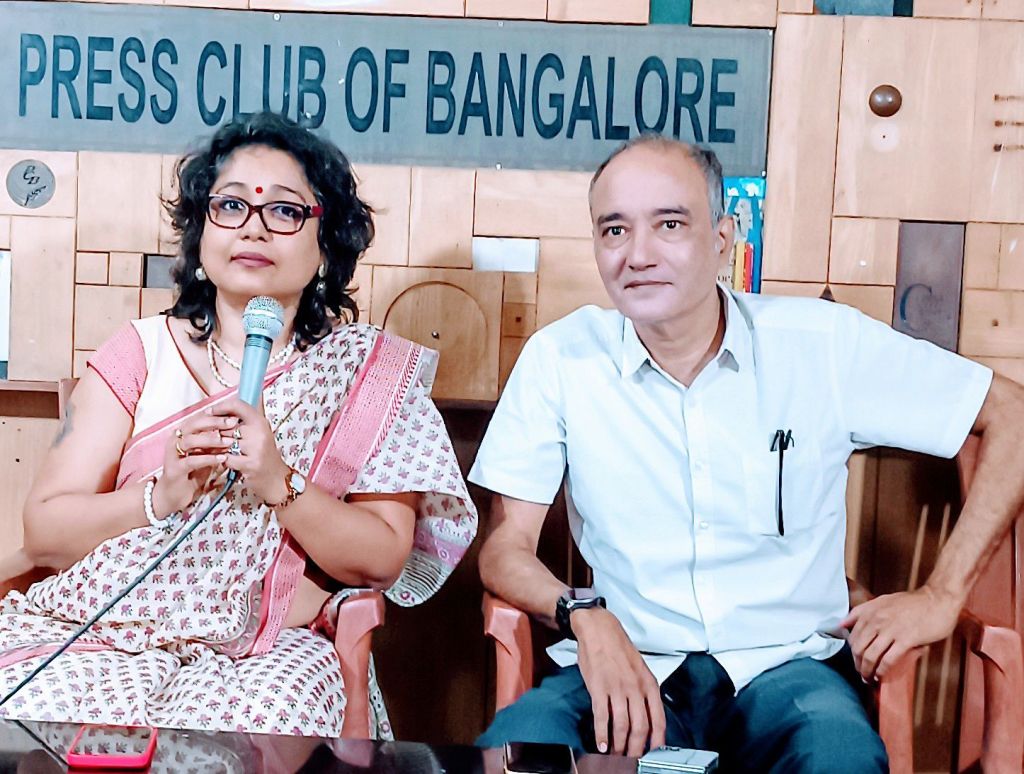
Managing Trustee Mr. Anil Kumar P. says, “As we spearhead this initiative, we are also unearthing a Pandora’s box. We require committed and socially conscious individuals, and organisations to create a force to help us sail through the challenges in this journey, influencing a movement for the much required reform. We look forward to every bit of support possible. We need thousands of hands joining us in this movement towards designing a better future for ourselves, creating an influence for a dedicated ‘Ministry for Seniors’. It’s high time we address the issue and implement solutions to create a ‘Better India’, especially for the ageing community.”the above statements were released by Anil Kumar. P and Shilpi Das Managing Trustee’s of Charista Foundation at a press meet held at press club if Bangalore.

City Today News 9341997936

Society of Service of Narcotics Anonymous (SOSONA)

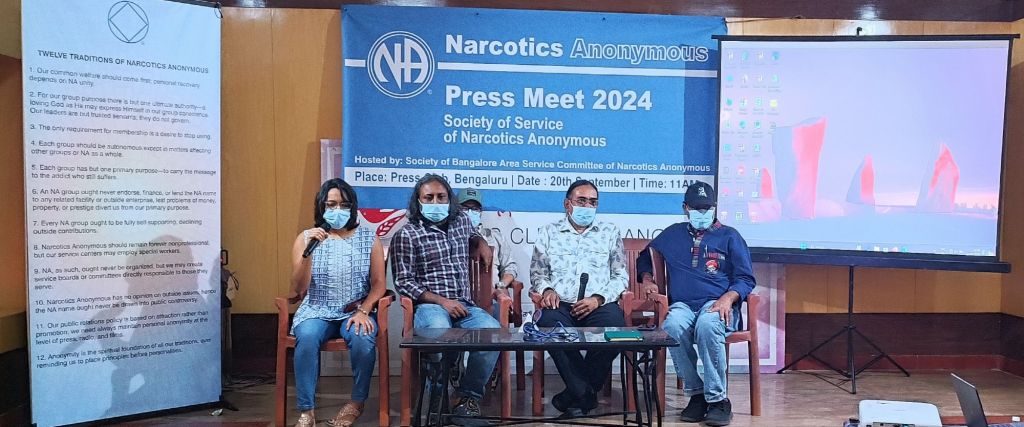
Press meet held at press club of Bengaluru

This is to introduce you to the 12-Step Program of Narcotics Anonymous (NA), as well as its existence and presence in the different states & cities in India. The Narcotics Anonymous message is that an addict, any addict, can stop using drugs, lose the desire to use and find a new way to live. Our intent is to share this message broadly so that those who might benefit from our program of recovery can find us.
The Primary Purpose of NA
“No addict seeking recovery need ever suffer or die from the horrors of addiction without a chance to know that there is a way out; the NA way.”

What is Narcotics Anonymous (NA)?
Narcotics Anonymous is a non-profit worldwide fellowship of men and women for whom drugs had become a major problem. We are recovering addicts who meet regularly to help each other to stay clean. This is a program of complete abstinence from all drugs. Our fellowship is concerned with the disease of addiction and recovery from that disease; the drug (or drugs) of choice is unimportant. The only requirement for membership is a desire to stop using (drugs).

Narcotics Anonymous: A Brief History
The non-profit fellowship of Narcotics Anonymous (NA), sprang from the Alcoholics Anonymous (AA) Program of the late 1940s, to light a path to recovery from the horrors of drug addiction. Narcotics Anonymous started in July 1953 with its first meeting in Southern California. Within a few years, NA groups had formed in Brazil, Colombia, Germany, India, the Irish Republic, Japan, New Zealand, and the United Kingdom. Today NA is well established throughout much of North and South America, Western Europe, Australia, the Middle East, New Zealand and Eastern Europe. Narcotics Anonymous books and information pamphlets are currently available in 77 languages including Hindi, Tamil, Kannada, Bengali, Punjabi, Urdu & Nepali. Today there are more than 72,215 weekly meetings in over 144 countries. How does NA work?
The primary service provided by Narcotics Anonymous is the NA group meeting. Each group runs itself based on principles common to the entire organization, which are expressed in NAs literature. NAs primary approach to recovery is its belief in the therapeutic value of one addict helping another. Anyone who wants to stop using drugs may become a member of Narcotics Anonymous.  Membership is not limited to addicts using any particular drug. Those who feel they may have a problem with drugs, legal or illegal, including alcohol, are welcome in NA. Recovery in NA focuses on the problem of addiction, not on any particular drug. The basic premise of anonymity allows addicts to attend meetings without fear of legal or social repercussions. Anonymity also supports an atmosphere of equality in meetings. Members take part in NA meetings by talking about their experiences and recovery from drug addiction. NA meetings are informally structured, held in space rented by the group, and are led by members who take turns opening and closing the meeting. NA meetings and other services are funded entirely by members voluntary contributions and the sale of recovery literature. Financial contributions from non-members are not accepted. Recovery in NA is not a miracle cure that happens within a given period of time. It is a process, ongoing and personal. Members make an individual decision to join and recover at their own pace. Since no attendance records are kept, it is difficult to estimate what percentages of those who come to Narcotics Anonymous ultimately achieve long-term abstinence. The only sure indicator of our success is the phenomenal growth in the number of NA groups over the last several years and the rapid spread of NA worldwide.
Narcotics Anonymous in India
The first Narcotics Anonymous meeting was held in Mumbai at Mahim [Foundation Group] on September 8, 1983. By 1989 there were NA meetings at seven places in Mumbai. Drawing inspiration from addicts experiences in Mumbai, addicts from other parts of India started NA meetings and began recovering.

Recovery meetings are in progress for 32 years in Bangalore Area include Bangalore City, Mangalore City, Mysore and due to start in North Karnataka.

Today, NA in India is 41 years old and has 456 weekly recovery meetings in several cities in Andhra Pradesh, Chandigarh, Delhi, Haryana, Himachal Pradesh, Tamilnadu, Jammu & Kashmir, Karnataka, Maharashtra, Odisha, Punjab, Rajasthan, Sikkim, Tamil Nadu, Uttarakhand, Uttar Pradesh & West Bengal.
Please refer https://naindia.in for a complete list of NA recovery meetings across India.

We conduct regular NA meetings in public facilities which provide an environment for addicts to identify and help each other to cope & learn to stay away from all mood altering substances including Alcohol.

City Today News 9341997936

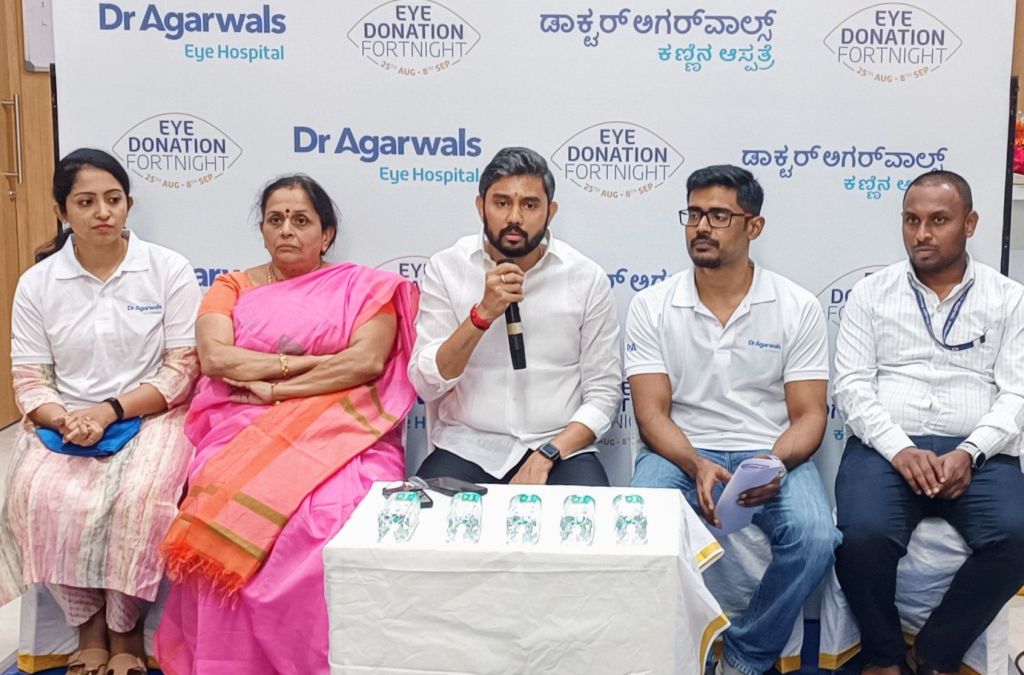
Dr. Agarwal’s Eye Hospital Organizes Walkathon to Raise Awareness on National Eye Donation Fortnight

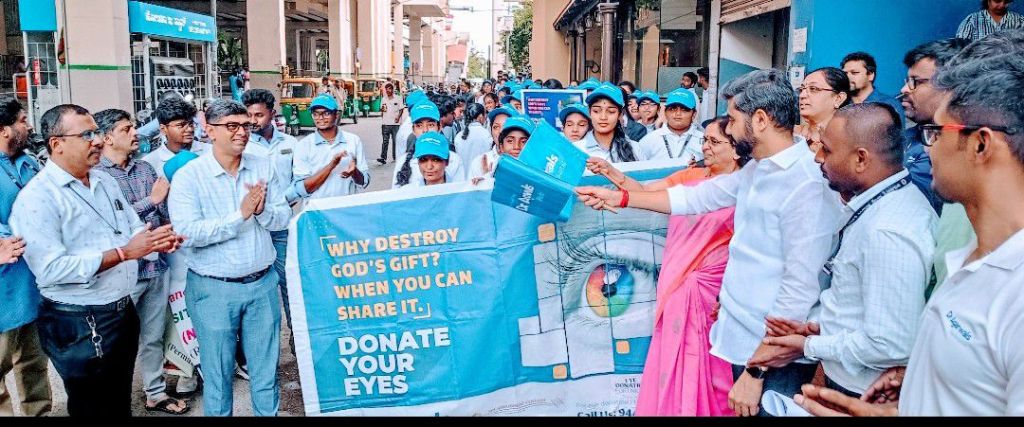
Bangalore, September 10, 2024: On the observance of National Eye Donation Fortnight, Dr. Agarwal’s Eye Hospital, today organized a Walkathon aimed at raising awareness about the life- changing impact of eye donation. More than 150 students from Aurobindo School, Rajajinagar, along with doctors and staff, participated in the march to encourage the community to pledge their eyes and provide the invaluable gift of sight to those in need.

The event sought to dispel misconceptions and address barriers that often prevent individuals from donating their eyes. Students carried placards with powerful messages promoting eye donation, symbolizing their commitment to this noble cause. The Walkathon was flagged off by A.R. Sapthagiri Gowda, District President, Bangalore Central BJP, and Dr. Rajani M., Joint Director (Medical), Directorate of Health & Family Welfare Services, Karnataka.

A.R. Sapthagiri Gowda highlighted the importance of the initiative, stating “It is truly an honor to be part of this noble endeavor by Dr. Agarwal’s Eye Hospital. Eye donation is an act of kindness with the power to transform lives by offering the priceless gift of sight. The hospital’s efforts, especially in collaboration with Aurobindo School, demonstrate a shared responsibility towards building a society with better visual health.”

Dr. Rajani M., Joint Director (Medical), also emphasized “Raising awareness is the first step to dispelling myths and encouraging more people to pledge their eyes. Through education and advocacy, we can bridge the gap and ensure that those in need of corneal transplants have access to this life-changing treatment. I encourage everyone to support this cause and be part of this mission to restore sight.”

According to the National Blindness & Visual Impairment Survey 2015-2019, 1.99% of India’s population over the age of 50 suffers from blindness, making eye donation a critical public health initiative. Dr. Agarwal’s Eye Bank, established in 1975, has transplanted over 30,000 plus corneas and continues to be a leader in promoting eye donation through awareness campaigns, education, and online registration.

Dr. Rakesh S, Regional Head of Retina Services, Dr. Agarwal’s Eye Hospital, Bengaluru, explained “Knowledge and education are the keys to overcoming the barriers to eye donation. These barriers include concerns about transparency in the use of corneas, lack of family consent, cultural beliefs about keeping the body intact, and fears about the treatment of the body during the donation process. With each donor, we can improve the lives of four individuals, as each cornea can restore sight to two people. We encourage everyone to take this step and pledge their eyes to benefit those in need.”

Agarwal’s Eye Hospital is also introducing advanced corneal transplant techniques such as Pre Descemet Endothelial Keratoplasty (PDEK), pioneered by Dr. Amar Agarwal, which has achieved remarkable success in improving patients’ vision post-transplant.

Following the Walkathon, the hospital has planned awareness programs, educational events, and blindness screenings to further promote eye health and increase pledges for eye donation.

Together, we can make a difference. “When WE comes before ME, humanity moves forward.” Dr. Agarwal’s Eye Hospital urges everyone to pledge their eyes and help restore sight to those in need.

City Today News 9341997936