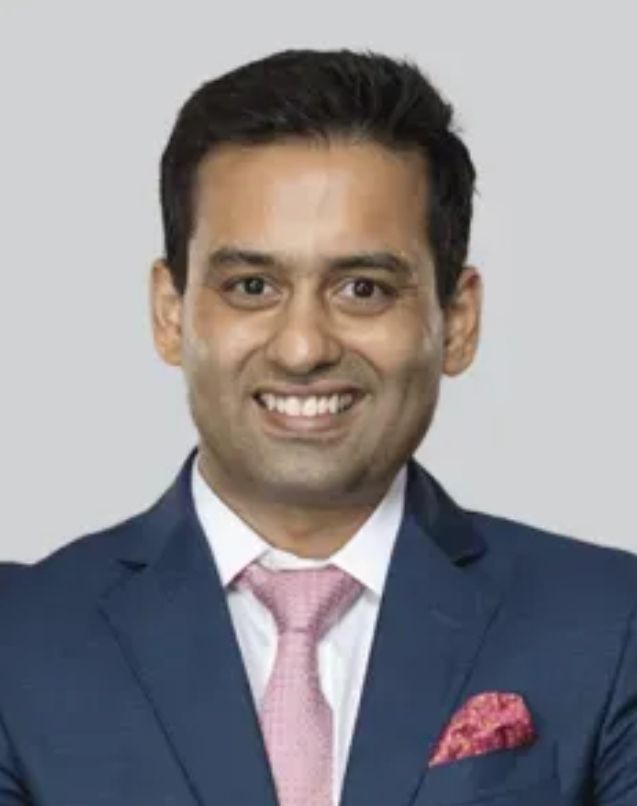
Scientists Identify Vagus Nerve Role in Severe Cancer Weight Loss-Dr. Sai Vivek V

Dr. Sai Vivek V, Consultant – Medical Oncology and Haemato – Oncology

Cancer cachexia, a debilitating syndrome marked by profound weight and muscle loss, has long been attributed primarily to inflammatory substances released by tumours or the body’s immune response. However, emerging research is reshaping this understanding, suggesting that the condition may stem from a deeper neuro-metabolic disturbance involving disrupted communication between the brain and the liver.

For many families, the most distressing aspect of a cancer diagnosis is not just tumour growth but the gradual wasting that accompanies it — diminished appetite, falling body weight, loss of strength, and a perception that treatment is failing even when imaging shows disease control. Cachexia is far more complex than simple malnutrition. It is a chronic metabolic disorder that affects a large proportion of patients with advanced cancers, reducing survival and undermining the effectiveness of chemotherapy and radiation therapy.

Recent investigations indicate that tumour-driven inflammation may interfere with neural signals linking the brain and liver. This altered signalling appears to reprogramme metabolic processes, triggering widespread tissue breakdown. Such findings reposition cachexia as a disorder of organ cross-talk rather than solely a peripheral inflammatory state.

Scientists are increasingly focusing on the vagus nerve, a key pathway connecting the gut, liver and brain. Experimental models suggest that persistent inflammation disrupts vagal signalling, leading to metabolic changes in the liver, including reduced activity of regulatory pathways crucial for energy balance. As the liver’s metabolic equilibrium shifts, it releases factors that promote appetite loss, systemic inflammation and muscle degradation.

The liver’s central role in metabolism makes these findings particularly significant. Beyond nutrient processing, the organ regulates protein synthesis, energy storage and immune signalling. Studies have documented altered amino acid and lipid metabolism and reduced activity of vitamin-dependent enzymes in cachectic states, changes that can influence blood chemistry and accelerate muscle wasting.

Encouragingly, laboratory studies suggest some of these pathways may be reversible. Interventions that restore neural signalling or protect liver metabolic regulators have reduced weight and muscle loss in animal models. Researchers are exploring neuromodulation approaches, including vagus nerve stimulation using implantable or wearable technologies, alongside therapies aimed at supporting liver metabolism.

While promising, most evidence remains preclinical, underscoring the need for rigorous human trials to establish safety, effectiveness and compatibility with ongoing cancer therapies.

Clinically, the evolving understanding reinforces existing care principles. Early recognition of cachexia is critical, as slowing progression is often more achievable than reversing advanced wasting. Routine monitoring of weight, appetite and muscle strength, combined with anti-inflammatory strategies, personalised nutrition, physical activity where feasible, and effective symptom control, forms the backbone of current management. Participation in clinical trials also remains essential to advance treatment options.

Although cachexia continues to be an under-recognised complication of cancer, insights into brain–liver interactions offer renewed optimism. Until targeted therapies become available, timely detection, holistic care and continued research remain the most effective tools against this challenging condition.

City Today News 9341997936
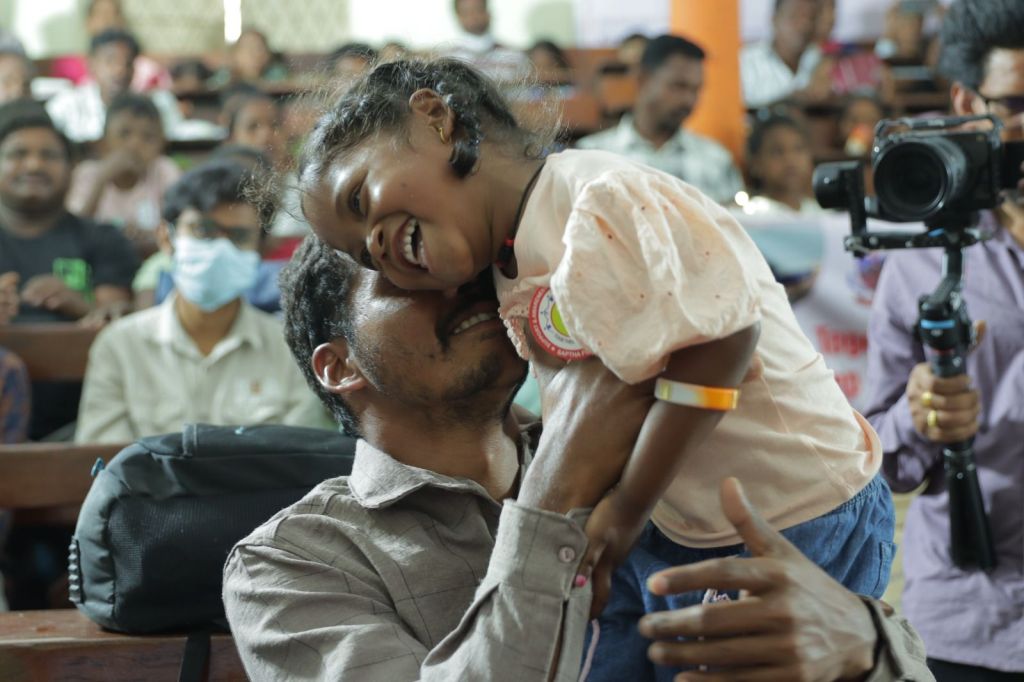
DKMS, MGM Cancer Institute Hold Free HLA Testing Camp for Thalassemia Patients in Vizag

Free HLA Testing Camp for Children with Thalassemia Held at KGH, Vizag

Over 55 families from north Andhra Pradesh enrolled for testing and specialist consultation

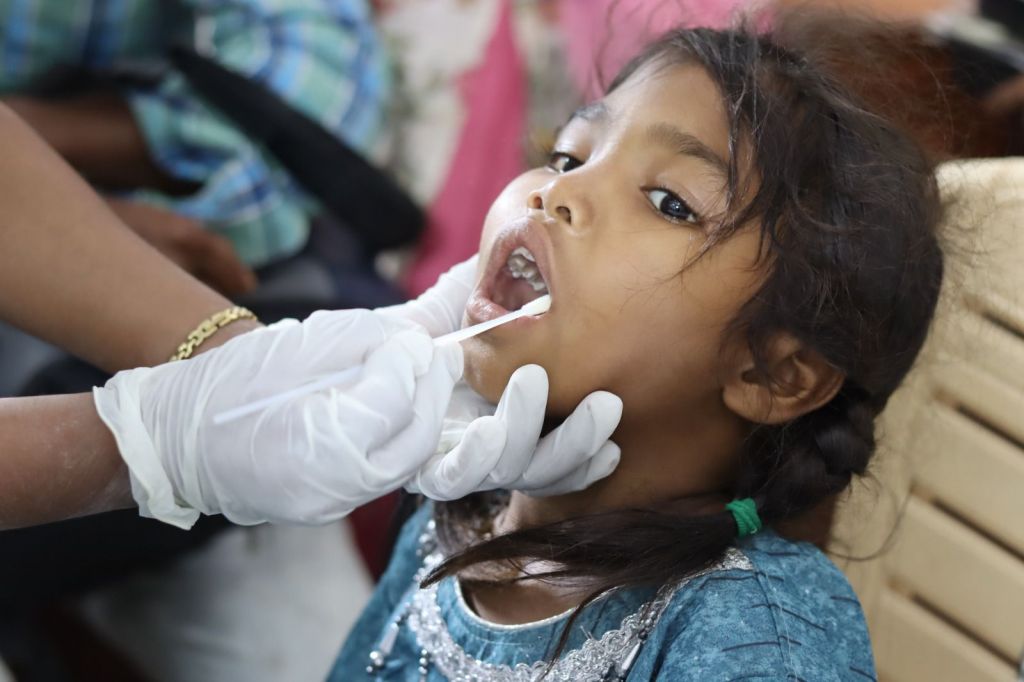
Visakhapatnam, February 12, 2026: A free high-resolution HLA testing and medical consultation camp for children diagnosed with thalassemia and sickle cell disease was organised at King George General Hospital (KGH), Visakhapatnam, on Wednesday. The camp was conducted by DKMS Foundation India in collaboration with MGM Cancer Institute, Chennai, and Saptha Foundation.

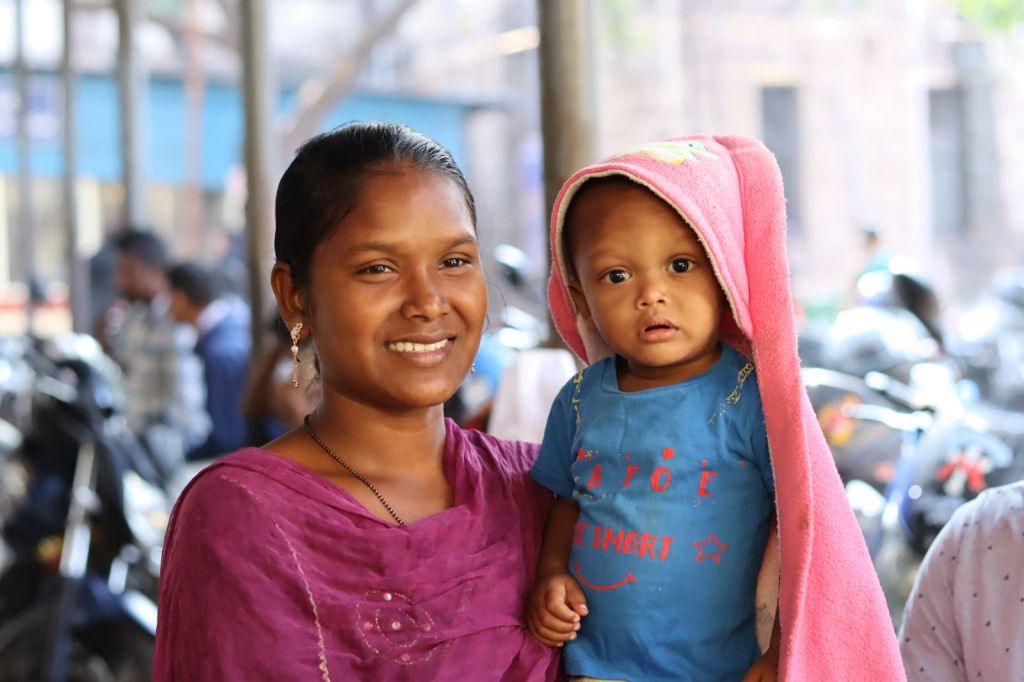
The initiative drew participation from over 55 families across Visakhapatnam, Vizianagaram, Paderu, Srikakulam and Parvathipuram. More than 200 cheek swab samples were collected from patients and their family members for free HLA typing, a crucial step in identifying suitable donors for stem cell transplantation. Families also received counselling and consultations from expert doctors on treatment options and transplant pathways.

The camp was organised under the guidance of paediatric transplant specialist Dr Deenadayalan Munirathnam of MGM Cancer Institute, with support from the Department of Paediatrics at KGH. DKMS Foundation supported the effort through its Access to Transplantation (ATT) Programme, which aims to reduce medical and financial barriers for patients requiring life-saving stem cell transplants. The DKMS Thalassemia Programme provides free HLA typing to improve access to timely transplantation.

“Thalassemia continues to be a major health challenge, with over 10,000 children born with the condition every year in India. Early stem cell transplantation offers the best chance of cure, and HLA typing is the first critical step,” Dr Munirathnam said.

Saptha Foundation Founder and Chairman Sarath Babu Voggu said community-level outreach and counselling were essential to reach families in low-awareness regions. “Free testing and structured guidance give families clarity and hope,” he said.

The collected samples will be sent to DKMS Life Science Laboratory in Germany for analysis at no cost to families, with results expected within six to eight weeks. DKMS Foundation India has so far registered over two lakh stem cell donors nationwide, helping more than 200 patients receive transplants.

City Today News 9341997936

Free Cervical Cancer Screening Camp to Raise Awareness on Women’s Preventive Health

Bengaluru, February 10, 2026:
In an effort to promote preventive healthcare among women and encourage early detection of cervical cancer, the Radhakrishna Foundation, in association with N.R. Colony Maternity Home and B.W.C.C., Bengaluru, will organise a free cervical cancer screening camp on February 11.

The special camp, featuring Pap smear tests, is being held in observance of World Cancer Day and aims to spread awareness about the importance of regular screening and timely diagnosis in reducing the risk of cervical cancer. The initiative seeks to reach women across age groups and emphasise the role of preventive health practices in ensuring long-term well-being.

Medical professionals will be available at the camp to conduct screenings and provide guidance on cervical health, risk factors, and the need for follow-up care where required. Organisers said the programme is designed not only to offer free testing but also to educate women on recognising early warning signs and adopting proactive healthcare measures.

The screening camp will be held from 9.00 a.m. to 2.00 p.m. at Sunrise Towers, Radhakrishna Multispeciality Hospital, JP Road, opposite Canara Bank, 1st Phase, Girinagar, Banashankari 3rd Stage, Bengaluru.

Women are encouraged to make use of this free facility and take an important step towards safeguarding their health. The organisers have urged the community to spread the word and support the initiative, underlining that early detection through regular screening remains one of the most effective ways to prevent cervical cancer.

City Today News 9341997936

Early Detection Can Save Lives, Say Doctors at Cancer Awareness Walk

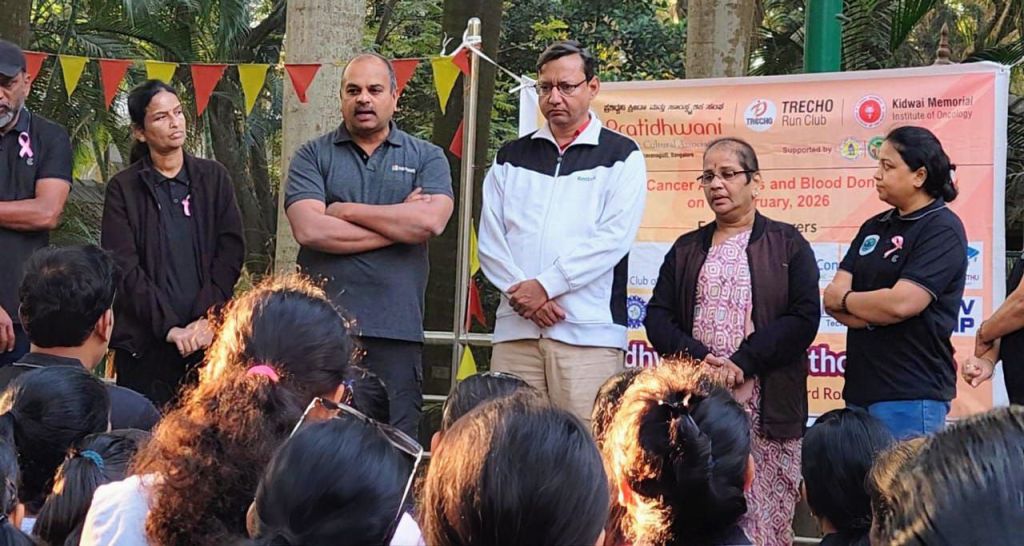
Bengaluru: Pratidhwani Sports and Cultural Association, in association with Trecho Run Club and the Kidwai Memorial Institute of Oncology (KMIO), organised a cancer awareness walkathon at Rose Garden Park in Jayanagar on Sunday.

Dr. A.S. Mahantesh, Senior Medical Officer at KMIO, and Dr. Nadeem Hoda, Head of the Department of Oral Oncology at KMIO, were the chief guests at the event. Speaking on the occasion, they stressed the need to increase public awareness about oral cancer, with particular emphasis on prevention, early detection, and the importance of seeking timely medical care.

The doctors drew attention to the rising incidence of oral cancer, especially due to tobacco consumption in various forms, and highlighted the role of lifestyle modifications in reducing risk. They also underscored the value of regular oral examinations and community-level screening programmes in improving early diagnosis and treatment outcomes.

The walkathon saw participation from residents, fitness enthusiasts, and volunteers, and aimed to promote informed public engagement in cancer prevention and awareness efforts.

City Today News 9341997936

‘A Mother’s Support Can Save a Life’: Meghana Raj Sarja’s World Cancer Day Appeal

Meghana Raj Sarja Urges Mothers to Back Adult Children as Blood Stem Cell Donors on World Cancer Day

Bengaluru, February 5: Marking World Cancer Day, actor Meghana Raj Sarja joined hands with DKMS Foundation India to appeal to mothers and families across the country to support adult children who wish to register as potential blood stem cell donors. The initiative seeks to address fears and misconceptions surrounding donation and strengthen India’s donor registry for patients battling blood cancer and serious blood disorders.

As part of the campaign, Meghana released an emotional Kannada video on her Instagram page, speaking directly to mothers. Acknowledging their natural instinct to protect their children, she urged families to seek accurate information and stand by informed decisions taken by those aged 18 and above who choose to register as donors.

Speaking as a mother, Meghana highlighted that for many patients with blood cancer, thalassemia or aplastic anaemia, a blood stem cell transplant is often the only life-saving treatment. Yet, finding a suitable match remains extremely rare—sometimes as low as one in a million. Addressing common concerns, she clarified that blood stem cell donation is not organ donation, is a safe and voluntary process similar to platelet donation, does not cause long-term weakness or affect fertility, and that the body naturally replenishes donated stem cells.
“I understand the fear and questions a donor’s mother may have,” Meghana said. “But when adult children take an informed step to help save a life, a mother’s support can make an enormous difference—not just to her child, but to a patient waiting for hope.”

Patrick Paul, Executive Chairman, DKMS India, said Meghana’s voice brings credibility and emotional connect to the cause. He noted that with only 0.09% of India’s eligible population registered as donors, family support—especially from mothers—can help overcome the country’s genetic bottleneck and improve patient outcomes.

Healthy Indian adults aged 18–55 can register by ordering a free home swab kit from DKMS India’s website.

City Today News 9341997936