India Aligns with Global Influenza Vaccination Shift, Experts Stress Preventive Action
WHO’s updated flu vaccine recommendation highlights urgent need to improve coverage in India
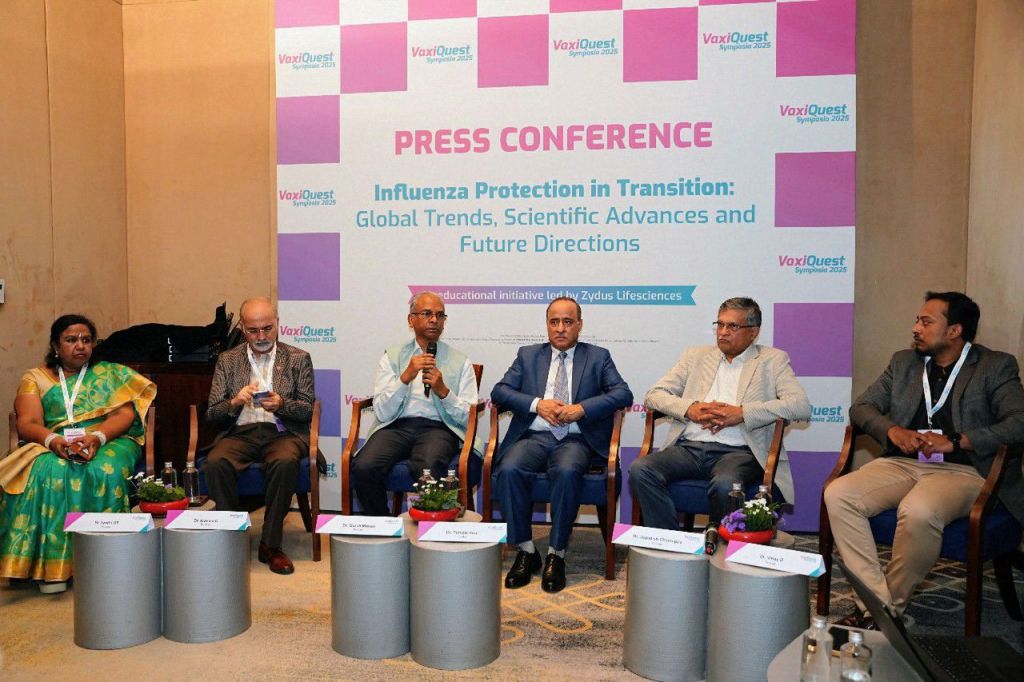
Bengaluru, August 23, 2025: Zydus Lifesciences Limited (including its subsidiaries and affiliates, hereafter referred to as “Zydus”), a global innovation-led lifesciences company, hosted a health symposium in Bengaluru to discuss India’s alignment with the World Health Organization’s (WHO) revised influenza vaccination guidelines for the Northern Hemisphere 2025–26 season.
Globally, influenza continues to be a serious public health challenge, claiming an estimated 400,000 respiratory and 300,000 additional lives annually. While nearly half of the population in the US and Europe is vaccinated against seasonal flu each year, India lags far behind, with coverage at less than 1.5%.
Dr. Sharvil Patel, Managing Director, Zydus Lifesciences, said: “Prevention is the foundation of good health, and vaccines are central to protecting people and reducing the strain on healthcare systems. Influenza remains a recurring health concern, triggering seasonal outbreaks and complications among vulnerable groups. Timely vaccination is key to reducing infections, preventing severe disease, and safeguarding public health. At Zydus, we remain committed to advancing preventive healthcare and raising awareness on influenza vaccination.”
According to WHO’s latest recommendation, the B/Yamagata strain has not been detected globally since March 2020, making its inclusion in quadrivalent influenza vaccines unnecessary. The US CDC has already removed B/Yamagata from all influenza vaccines starting 2024–25, a move backed by global surveillance data to improve vaccine efficacy and production.
India’s National Centre for Disease Control (NCDC) has also advised adopting the updated WHO-recommended strains to reduce the burden of influenza and influenza-like illnesses, which significantly affect infants, the elderly, and those with chronic health conditions.
India faces influenza outbreaks year-round, with two major peaks during the monsoon and winter. Each year, the disease is estimated to cause around 127,000 deaths, of which 65% occur among people over 65 years, and 15–20% among children under five. Experts highlight the urgent need for annual vaccination of high-risk groups to lower mortality and disease severity.
As one of India’s leading flu vaccine manufacturers, Zydus has consistently promoted preventive healthcare and timely vaccination to protect vulnerable populations from influenza and related complications.
Bengaluru, Aug. 12, 2025 – Health experts, environmentalists, and consumer rights advocates have renewed calls to phase out mercury-based thermometers and blood pressure monitors in India, warning of severe risks to human health and the environment.
The appeal came at a panel discussion hosted by Consumer VOICE and the Foundation for Sustainable Health India (FSHI) at Christ (Deemed to be University), focusing on mercury’s toxic impact, particularly on children, pregnant women, and nursing mothers.
Mercury devices, safe only when intact, release harmful vapours if broken or discarded carelessly—contaminating air, water, and soil, and entering the food chain. Dr. Dennis Xavier of St. John’s National Academy of Health Sciences cited the Kodaikanal mercury contamination case to highlight the dangers and the need for safe disposal.
Under the Minamata Convention on Mercury, India is working with WHO to eliminate mercury devices, replacing them with digital or aneroid alternatives. The WHO lists mercury among the top 10 chemicals of major health concern, with even small exposures capable of damaging the nervous, digestive, and immune systems.
Speakers including Dr. Anil Joseph Pinto CHRIST (Deemed to be University), Dr. Lalitha (M.S. Ramaiah Medical College), Dr. V. Nagappa (former Karnataka State Pollution Control Board) and Dr. Anitha Varghese, CHRIST(Deemed to be University), stressed public awareness, strict waste management, and a rapid switch to safer devices.
Environmental activist Akshay Heblikar and Nilanjana Bose of Consumer VOICE urged households to adopt affordable mercury-free products, a transition already embraced by the healthcare sector.
“Every family’s choice to go mercury-free is a step towards protecting both health and the planet,” said S.J. Chander, CEO of FSHI.
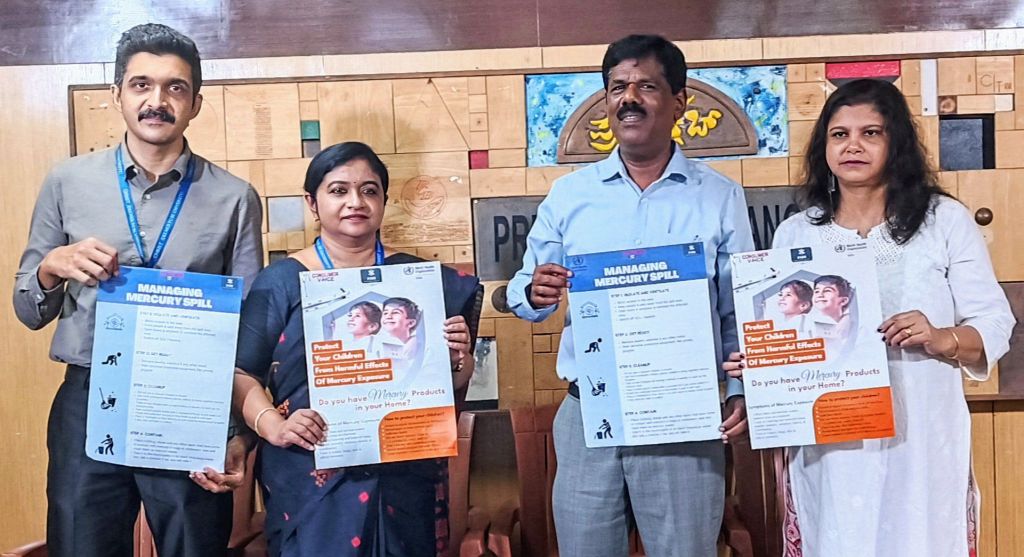
SJ Chander: CEO of FSHI Neelanjana: Consumer Voice Lead Health New Delhi Dr Manoj : Assistant Professor Department of Chemistry, Christ University Dr.Anitha Vergis: Head of the Department Chemistry, Christ University at press meet held at press club of Bengaluru
Bengaluru, India — Public health specialists, environmental advocates, and consumer rights groups have issued a strong call for the complete phase-out of mercury-based thermometers and sphygmomanometers in India, citing serious health and environmental hazards. The appeal came during a panel discussion hosted by Consumer VOICE and the Foundation for Sustainable Health India (FSHI) at Christ (Deemed to be University), Bengaluru.
Experts cautioned that while mercury devices are safe when intact, broken or improperly disposed of instruments release toxic vapours that can harm the lungs, kidneys, and nervous system, and contaminate the environment. Drawing lessons from the mercury contamination incident in Kodaikanal, Dr. Dennis Xavier, Professor and Head of Pharmacology at St. John’s National Academy of Health Sciences, stressed the dangers of mercury exposure and the importance of safe handling and disposal.
India, a signatory to the Minamata Convention on Mercury, is working with the Ministries of Health and Environment and WHO India to eliminate mercury-based medical devices and promote digital and aneroid alternatives. The World Health Organization ranks mercury among the top 10 chemicals of major public health concern, especially dangerous for children, unborn babies, and nursing infants.
A 2011 Toxics Link report estimated that around eight tonnes of mercury are released in India each year from medical measuring devices—69% from blood pressure monitors and the rest from thermometers—largely due to unsafe disposal.
Dr. Lalitha of M.S. Ramaiah Medical College warned that mercury exposure during pregnancy or lactation poses serious risks to future generations. Former Karnataka State Pollution Control Board officer Dr. B. Nagappa urged all healthcare facilities to strictly follow mercury spill protocols, train staff, and adopt safer alternatives.
Environmental activist Akshay Heblikar and Consumer VOICE’s Nilanjana Bose highlighted the need for households to follow the healthcare sector’s lead in switching to mercury-free devices, which are now accurate, affordable, and widely available.
“This movement empowers people to safeguard both public health and the environment,” said S.J. Chander, CEO of FSHI.
Understanding Mercury: Protecting Our Health and Environment Date: 12th August, 2025 Venue: CHRIST (Deemed to be University) Room no. 529, 5th floor, R and D block, Bangalore Central Campus
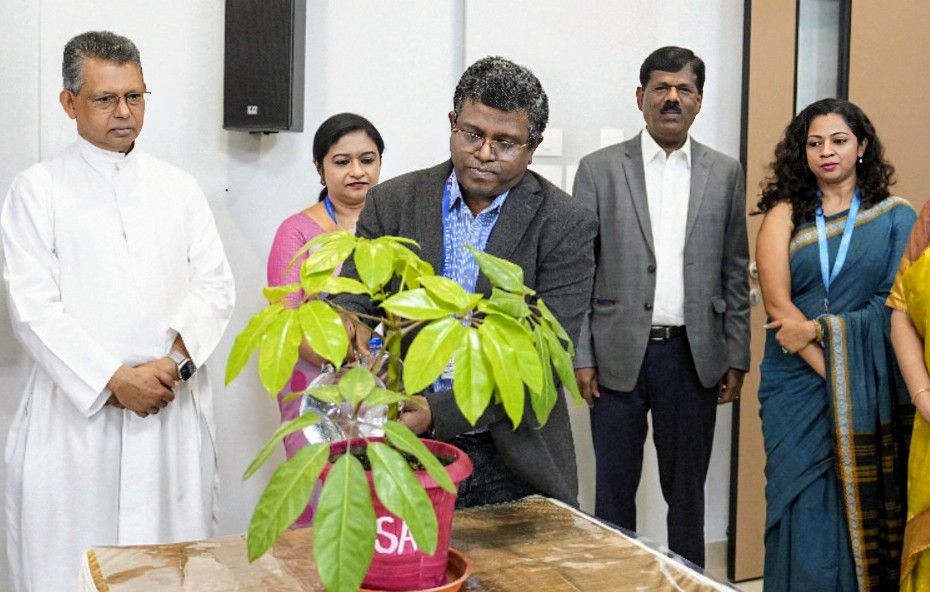
Registration& Tea ; 10.00 am to 10.15 am Inaugural Session: 10.15 am to 11. 00 am Invocation: Watering the plants : Dignitaries Welcome Address: Dr. Anitha Varghese, HoD, Dept. of Chemistry, Christ (Deemed to be University) Opening Remaks: Ms Anu Agarawal Consultant WHO India (tbc) Setting the Tone: India’s Commitment to the Minamata Convention : Ms Nilanjana Bose, Consumer Voice Key note Address: Dr. Dennis Xavier, Prof. & HoD, Dept. of Pharmacology, St. John’s National Academy of Health Sciences Presidential Address: Dr. Anil Joseph Pinto, Registrar, Christ (Deemed be University) Vote of Thanks: Panel Discussion 11:15 – 12:30 PM Moderator: Dr. Manoj, Asst Prof. Dept of Chemistry, Christ (Deemed to be University) Panellists Public Health Challenges of Mercury Dr Lalitha K. Prof and HoD. Dept of Community Medicine M.S. Ramaiah University of Applied Sciences
Environmental Impact of Mercury and its prevention & mitigation Mr. Akshay Heblikar, Director, Eco Watch
Challenges in disposal of Mercury Dr. B. Nagappa, Former Senior Scientific Officer, KSPCB
Social Mobilization for Prevention S. J. Chander, CEO, Foundation for Sustainable Health India (FSHI)
Q&A Session Concluding Remarks by Moderator Pledge: Commitment to Use Mercury-Safe Products All Participants
Egg Freezing Gains Ground Among Ambitious Women, Enquiries Rise by 25%: Dr. Vidya V Bhat
Bengaluru, July 21, 2025: Egg freezing, though still relatively new in India, is witnessing a significant rise in interest, especially in metropolitan cities like Bengaluru, Mumbai, Delhi, and Hyderabad. Women are increasingly viewing it as an empowering option that allows them to take control of their reproductive future. Alongside career ambitions, the biological ticking clock continues to be a key factor influencing their decision to preserve fertility, says Dr. Vidya V Bhat, Medical Director of Radhakrishna Multispeciality Hospital & IVF Center in Bengaluru, ahead of World IVF Day.
Elective Egg Freezing: A Matter of Choice, Not Compulsion
Egg freezing, scientifically referred to as oocyte cryopreservation, involves harvesting a woman’s eggs, freezing them through vitrification, and storing them for use at a later stage. Dr. Bhat, a prominent Obstetrician, Gynaecologist, Laparoscopic Surgeon, and IVF Specialist, noted, “Over the past five years, we’ve seen a 20–25% increase in women either inquiring about or choosing to undergo elective egg freezing. In our hospital alone, consultations have nearly doubled.”
She explained that women opting for this procedure are doing so by choice, not out of medical necessity. “The main reasons are career priorities, delaying marriage, or waiting to find the right partner,” she added.
The Right Time is Crucial
Dr. Bhat advises women to consider freezing their eggs in their late 20s to early 30s, when egg quality and quantity are optimal. “Freezing before 35 offers the highest likelihood of future pregnancy success. After this age, egg quality tends to decline sharply, and while freezing is still possible, outcomes may be less favorable.”
While technological advancements have significantly improved success rates, Dr. Bhat cautioned that egg freezing is not a guaranteed solution. “Not all frozen eggs survive the thawing process, and even if they do, successful fertilization and implantation aren’t assured. It’s a method to increase chances, not a certainty.”
Success Rates and Common Misconceptions
According to Dr. Bhat, when eggs are frozen before the age of 35, the chances of achieving a live birth through IVF later can range between 40–60% per cycle. “Top IVF centers in India report over 90% egg survival rates post-thaw, and embryo development results are promising. However, success often requires multiple IVF cycles.”
She also highlighted widespread myths: “The biggest misconception is that freezing eggs ensures a future pregnancy. It doesn’t. Women must understand it’s a chance enhancer, not an absolute guarantee.”
Shifting Attitudes and Growing Awareness
Societal perception is slowly evolving, especially in urban areas. “In the past, egg freezing was surrounded by stigma and doubts about a woman’s life choices. Today, families and even partners are increasingly supportive. Still, some discomfort and misconceptions about fertility preservation persist,” Dr. Bhat observed.
She emphasized that more awareness is crucial to dispel fears and normalize the conversation around reproductive planning.
Affordability and the Road Ahead
While egg freezing currently remains a high-cost procedure accessible mainly to financially independent women, awareness is prompting many to seek early consultations, even if they don’t opt for immediate action.
“As the technology matures and becomes more widely available, costs will come down, making egg freezing a realistic option for many more women across the country,” said Dr. Bhat. “Ultimately, it’s about offering women more choices and control over their reproductive journey.”
In an era where the world is increasingly embracing natural alternatives for health and wellness, Ayurveda — India’s ancient system of medicine — is witnessing a powerful resurgence. Despite having easy access to a wide array of herbs and spices in our kitchens, many of us remain unaware of their deep medicinal and healing potential. The growing global shift towards nature-based living highlights the urgent need to understand how everyday ingredients such as turmeric, chillies, fenugreek, mustard seeds, ginger, and ashwagandha can significantly contribute to maintaining and restoring health.
These herbs and spices do far more than enhance the flavor of our meals. Each carries specific benefits for the body — from reducing inflammation and aiding digestion to boosting immunity and balancing hormones. Their inclusion in daily cooking is not accidental but deeply rooted in centuries of Ayurvedic wisdom passed down through generations.
One of the finest illustrations of Ayurveda in practice is the traditional Indian thali — a balanced, diverse meal that offers nourishment to every part of the body. More than just a plate of food, the thali is a reflection of Ayurvedic principles, carefully curated to support different bodily systems: the circulatory system (including the heart), the nervous system (especially the brain), the muscular and skeletal systems, the endocrine glands, and the digestive organs such as the liver and pancreas. A single thali is a symphony of taste and nutrition, embodying a complete and holistic approach to health and vitality.
Ayurveda: An Ancient Science, A Modern Relevance
Ayurveda, often referred to as the “science of life,” is among the oldest healthcare systems in the world, with roots stretching back over 5,000 years. Yet its teachings are remarkably relevant even today. The COVID-19 pandemic acted as a major wake-up call for many, prompting people to turn to their kitchen shelves in search of immunity-boosting herbal teas and home remedies. From tulsi and ginger teas to concoctions made with pepper, turmeric, and honey — simple Ayurvedic recipes provided relief, resilience, and in many cases, recovery.
This renewed interest has led to an exponential increase in Ayurvedic product exports and a growing trend among Indians to return to natural, traditional remedies. Ayurveda offers more than symptom control; it often aims to treat the root cause of disease. Its philosophy centers around prevention, with treatments focused on strengthening the body’s natural defense mechanisms.
What sets Ayurveda apart is its emphasis on no harmful side effects when practiced properly. Many allopathic medicines focus on controlling diseases — such as blood pressure or diabetes — but often require lifelong dependency. Ayurveda, however, focuses on achieving long-term well-being through diet, lifestyle changes, and herbal treatments. Classic formulations — when prepared in accordance with ancient texts like the Charaka Samhita and Sushruta Samhita — deliver powerful healing without the risks of chemical overload.
A prime example is Chyawanprash, a time-tested Ayurvedic preparation made with amla (Indian gooseberry) and a mix of herbs. It is widely known for enhancing immunity, promoting respiratory health, and rejuvenating energy. Unlike curative medicines, Chyawanprash is preventive, illustrating the core Ayurvedic belief: Why allow illness when it can be avoided altogether?
Living with the Seasons and Environment
Ayurveda also stresses the importance of living in harmony with nature. Our geographical location, seasonal cycles, and climatic conditions have a profound impact on our health and should influence our food choices. Consuming locally grown, seasonal fruits and vegetables is more than just a sustainable practice — it aligns with the body’s natural needs and rhythms, enhancing digestion and immunity.
In contrast, the increasing trend of consuming refrigerated or packaged foods and cold beverages — especially in tropical regions like India — can lead to the accumulation of toxins or ama in the body. This toxic buildup is a root cause of many chronic ailments, particularly those affecting the bones and joints. Ayurveda recommends consuming freshly cooked, warm meals and encourages mindfulness about not just what we eat, but when and how we eat.
Unfortunately, today’s digital world is flooded with misinformation and half-baked advice, especially on social media. While it is heartening to see growing interest in Ayurveda and natural healing, it is equally important to approach it with authenticity and awareness. Following unverified online trends or blindly consuming herbs without understanding one’s body type (doshas — Vata, Pitta, Kapha) can lead to imbalance rather than healing.
A Call to Reconnect with Nature
In its truest essence, Ayurveda is not just about herbs and medicines — it is a way of life, a path to live in balance with nature, with ourselves, and with the world around us. It teaches us that wellness is not merely the absence of illness, but a state of physical vitality, mental clarity, and emotional balance.
The wisdom of Ayurveda holds the potential to transform our lives — not through overnight miracles, but through sustainable, consistent, and conscious living. It reminds us that the key to vibrant health lies not in synthetic pills but in the age-old traditions, seasonal rhythms, and natural remedies that our ancestors revered.
Let us choose to live in harmony with nature. Let us heal through nourishment, not through dependency. Let us rediscover the magic of Ayurveda — and reclaim our health, naturally.





 City Today News
You must be logged in to post a comment.