‘Act Now or Lose a Generation’: Experts Sound Alarm on Climate and Child Health

Experts Call for Child-Centred Climate Action at Inaugural Session of South India Consultation

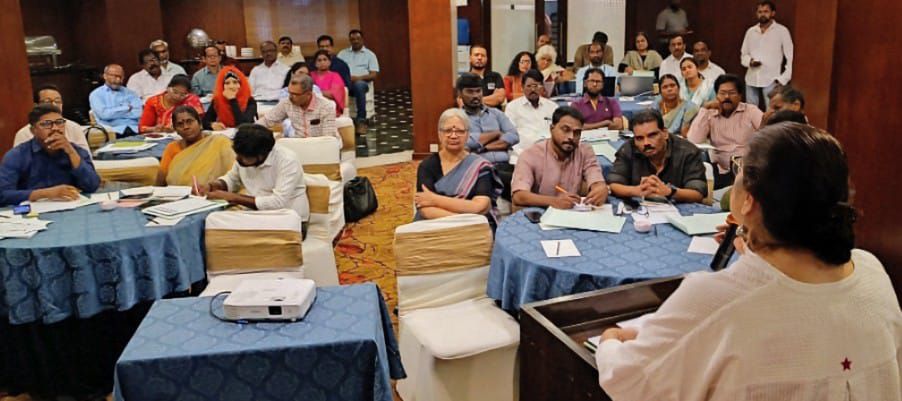
Bengaluru, February 28, 2026: The inaugural day of the South India Consultation on Climate Change and Health, organised by CRY-Child Rights and You (South India Team), set a serious and urgent tone as experts underscored the growing health risks climate change poses to children across the region.

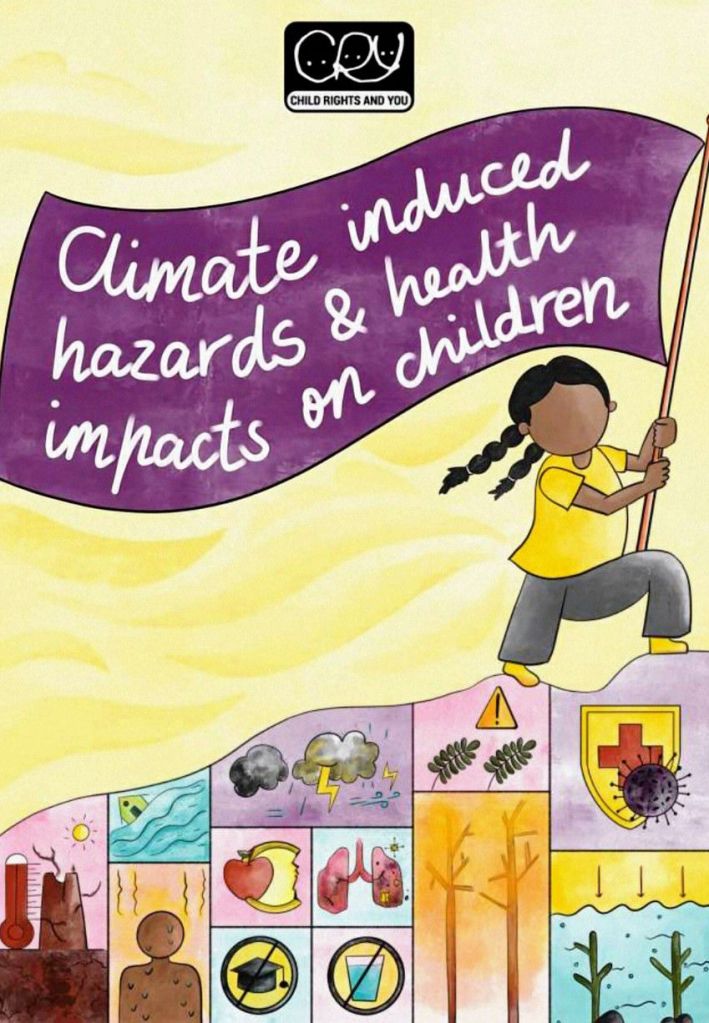
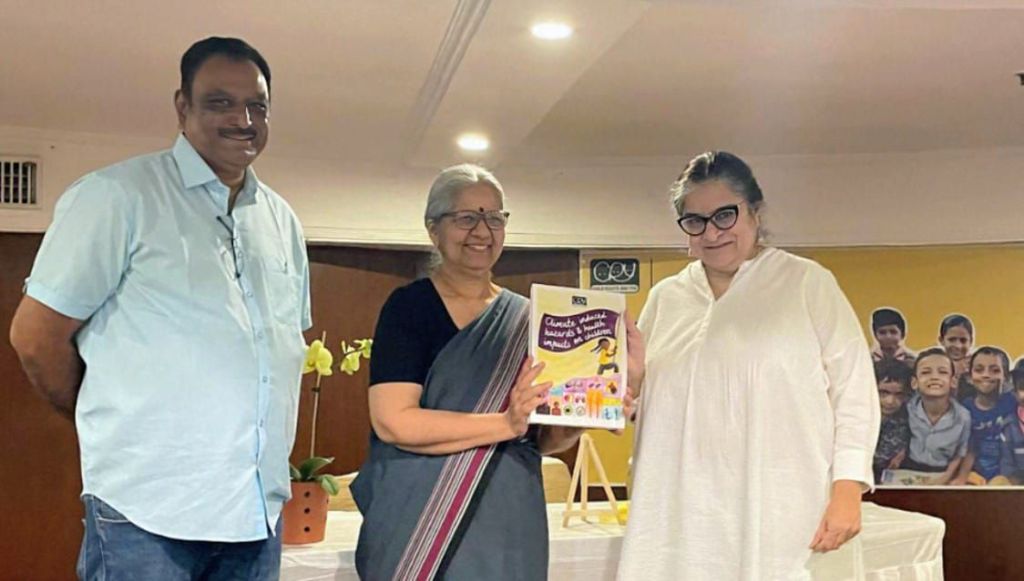
The consultation opened with the official release of CRY’s study examining the impact of climate change on children in select South Indian states. The report presents stark findings on how rising temperatures, erratic rainfall, floods, droughts and environmental degradation are affecting children’s health, nutrition, education and psychosocial wellbeing.

Speakers noted that while climate change is a global crisis, its consequences are disproportionately borne by children-particularly those in socio-economically vulnerable communities. Disruptions to healthcare, water and sanitation systems, schooling and local livelihoods were highlighted as compounding risks that deepen existing inequalities.

The inaugural session featured eminent public health and development experts including Dr. Ritu Priya Mehrotra, Mr. Amulya Nidhi, Dr. Veena Shatrugna, Prof. Himanshu Upadhyaya, Prof. Mathew George and Prof. Adithya Pradyumna. Addressing the gathering, they emphasised that climate resilience must move beyond infrastructure to place children at the centre of adaptation strategies.

Discussions on the first day focused on the direct health impacts of climate change-such as heat-related illnesses, vector-borne diseases and injuries during extreme weather events-as well as indirect consequences including malnutrition, school dropouts, displacement and psychological stress.

Participants called for stronger inter-sectoral coordination between health, education, disaster management and child protection systems. The need for data-driven policy planning and community-level preparedness was repeatedly stressed.

The inaugural day concluded with a collective acknowledgment that climate change is no longer a future threat but a present reality demanding immediate, child-focused responses. The consultation will continue on March 1 with deliberations on the status of health and healthcare systems in Andhra Pradesh, Telangana, Karnataka and Tamil Nadu, and their preparedness to address climate-linked health challenges.

City Today News 9341997936

India Eats Less Protein Than Needed-Experts Call for Egg and Poultry Push

Highlighting the growing burden of protein deficiency in India, Dr.Krishnamurthy T. N., Professor and Head, Department of Poultry Science, Veterinary College, Hebbal, Bengaluru, under the Karnataka Veterinary, Animal and Fisheries Sciences University, along with departmental experts, noted that nearly 70–80% of Indians do not meet recommended daily protein requirements. They observed that cereal-dominated dietary patterns often lack essential amino acids and show lower digestibility, thereby contributing to widespread nutritional gaps.

Speaking at a press interaction, Dr. Krishnamurthy emphasised that eggs and chicken serve as complete protein sources containing all nine essential amino acids necessary for growth, immunity and tissue repair. Eggs, he said, function as affordable “protein capsules” in addressing malnutrition, offering 6–7 grams of high-quality protein per egg along with vitamin D, vitamin B12, iron, zinc and choline. Nutritionists, he added, strongly advocate egg consumption among children and pregnant women to support brain development and prevent stunting, while eggs also played a supportive dietary role in immunity during the Covid-19 period. Despite the ICMR-National Institute of Nutrition recommending an annual intake of about 180 eggs per person, current per-capita consumption remains around 106 eggs.

The department further highlighted the importance of chicken meat as a concentrated lean protein source beneficial for muscle maintenance and metabolic health. Lean chicken breast provides approximately 25–31 grams of protein per 100 grams, making it more protein-dense than many dairy products and pulses. As a healthier alternative to red meat, chicken also supplies essential B-vitamins such as niacin and vitamin B6, along with minerals including phosphorus and selenium.

However, annual per-capita consumption in India stands at roughly 3.5 kg, significantly below the recommended 11 kg.
Reiterating dietary guidance, Dr. Krishnamurthy noted that the National Institute of Nutrition prescribes a daily protein intake of one gram per kilogram of body weight for a healthy adult, underscoring the need for greater awareness and inclusion of affordable, high-quality protein sources such as eggs and poultry in routine diets.

City Today News 9341997936

ವೈಜ್ಞಾನಿಕ ಆರೋಗ್ಯ ನಿರ್ವಹಣೆಗೆ ‘ಬಾಡಿ ಡೈನಾಮಿಕ್ಸ್’ ವಿಭಾಗ: ಭಾರತಿ ಜಜೂ ವೈದ್ಯಕೀಯ ನಿರ್ದೇಶಕಿ

ಬೆಂಗಳೂರು: ಸಮಗ್ರ ಹಾಗೂ ವೈಜ್ಞಾನಿಕ ಆಧಾರಿತ ಆರೋಗ್ಯ ಸೇವೆಗಳನ್ನು ಒದಗಿಸುವ ಉದ್ದೇಶದಿಂದ ಹ್ಯಾಪಿಯೆಸ್ಟ್ ಹೆಲ್ತ್ ಸಂಸ್ಥೆ ‘ಬಾಡಿ ಡೈನಾಮಿಕ್ಸ್’ ಎಂಬ ಹೊಸ ವಿಶೇಷ ವಿಭಾಗವನ್ನು ಆರಂಭಿಸಿದೆ. ಈ ವಿಭಾಗದ ವೈದ್ಯಕೀಯ ನಿರ್ದೇಶಕಿಯಾಗಿ ಅನುಭವಿ ತಜ್ಞೆ ಭಾರತಿ ಜಜೂ ಅವರನ್ನು ನೇಮಕ ಮಾಡಲಾಗಿದೆ.

ಮೂರು ದಶಕಗಳಿಗಿಂತ ಹೆಚ್ಚು ಕಾಲ ವೈದ್ಯಕೀಯ ಕ್ಷೇತ್ರದಲ್ಲಿ ಸೇವೆ ಸಲ್ಲಿಸಿರುವ ಭಾರತಿ ಜಜೂ ಅವರು ಆಕ್ಯುಪೇಷನಲ್ ಥೆರಪಿ ಕ್ಷೇತ್ರದಲ್ಲಿ ವಿಶಾಲ ಅನುಭವ ಹೊಂದಿದ್ದಾರೆ. ಹೊಸದಾಗಿ ಆರಂಭಿಸಿರುವ ಈ ವಿಭಾಗವು ಎರ್ಗೋನಾಮಿಕ್ಸ್, ಫಿಸಿಯೋಥೆರಪಿ ಮತ್ತು ಯೋಗದ ಸಮನ್ವಯದ ಮೂಲಕ ಸಮಗ್ರ ಪುನಶ್ಚೇತನ ಸೇವೆಗಳನ್ನು ಒದಗಿಸಲಿದೆ. ಕೇವಲ ಸಾಮಾನ್ಯ ವೆಲ್‌ನೆಸ್‌ಗೆ ಸೀಮಿತವಾಗದೇ, ವೈಜ್ಞಾನಿಕ ವಿಧಾನಗಳ ಮೂಲಕ ಆರೋಗ್ಯ ನಿರ್ವಹಣೆ ಹಾಗೂ ಉದ್ಯೋಗ ಸ್ಥಳಗಳಲ್ಲಿ ಶಾರೀರಿಕ ಸಾಮರ್ಥ್ಯವನ್ನು ಹೆಚ್ಚಿಸುವುದು ಇದರ ಮುಖ್ಯ ಉದ್ದೇಶವಾಗಿದೆ.

ಈ ಕುರಿತು ಹ್ಯಾಪಿಯೆಸ್ಟ್ ಹೆಲ್ತ್ ಸಂಸ್ಥೆಯ ಅಧ್ಯಕ್ಷ ಹಾಗೂ ಮುಖ್ಯ ಕಾರ್ಯತಂತ್ರ ಅಧಿಕಾರಿ Ashok Soota ಅವರು ಮಾತನಾಡಿ, “ಬಾಡಿ ಡೈನಾಮಿಕ್ಸ್ ವಿಭಾಗವನ್ನು ವೈಜ್ಞಾನಿಕ ಆರೋಗ್ಯ ವ್ಯವಸ್ಥೆಯಾಗಿ ರೂಪಿಸಲಾಗಿದೆ. ಆರೋಗ್ಯ ಜಾಗೃತಿ ಇದ್ದರೂ ಅದನ್ನು ಅನುಸರಿಸುವವರ ಸಂಖ್ಯೆ ಕಡಿಮೆ. ಈ ಹಿನ್ನೆಲೆಯಲ್ಲಿ ಆರೋಗ್ಯವನ್ನು ಶಾಸ್ತ್ರೀಯವಾಗಿ ಹೇಗೆ ಕಾಪಾಡಬೇಕು, ಪುನಶ್ಚೇತನವನ್ನು ಹೇಗೆ ಸುಧಾರಿಸಬೇಕು ಎಂಬುದಕ್ಕೆ ಸಮಗ್ರ ವೇದಿಕೆ ನಿರ್ಮಿಸುವುದು ನಮ್ಮ ಉದ್ದೇಶ. ಮುಂದಿನ ವರ್ಷಗಳಲ್ಲಿ ಬೆಂಗಳೂರಿನ ವಿವಿಧ ಭಾಗಗಳಲ್ಲಿ ಕ್ಲಿನಿಕ್‌ಗಳು, ಕಾರ್ಪೊರೇಟ್ ಎರ್ಗೋನಾಮಿಕ್ಸ್ ಸೇವೆಗಳು ಹಾಗೂ ಫಿಸಿಯೋ-ಯೋಗ ಕೇಂದ್ರಗಳನ್ನು ಹಂತ ಹಂತವಾಗಿ ವಿಸ್ತರಿಸುವ ಯೋಜನೆ ಹೊಂದಿದ್ದೇವೆ. ಭಾರತಿ ಅವರ ನಾಯಕತ್ವ ನಮ್ಮ ಈ ದಿಸೆಯನ್ನು ಬಲಪಡಿಸಲಿದೆ,” ಎಂದು ತಿಳಿಸಿದ್ದಾರೆ.

ಸಂಸ್ಥೆಯ ಸಹಾಧ್ಯಕ್ಷ ಹಾಗೂ ಮುಖ್ಯ ಕಾರ್ಯನಿರ್ವಹಣಾಧಿಕಾರಿ ಡೇವಿಸ್ ಕರೇಡನ್ ಮಾತನಾಡಿ, “ನಮ್ಮ ಸೇವೆಯ ಮೂಲ ತತ್ವ ಮಾನವೀಯ ಸ್ಪರ್ಶ. ಕ್ಲಿನಿಕ್‌ಗಳಲ್ಲಿ ‘ಅತಿಥಿ ಅನುಭವ’ಕ್ಕೆ ಆದ್ಯತೆ ನೀಡುತ್ತೇವೆ. ಪ್ರತಿಯೊಬ್ಬರೂ ಬೆಂಬಲ ಮತ್ತು ವಿಶ್ವಾಸದ ಭಾವನೆ ಹೊಂದುವಂತೆ ಸೇವೆ ನೀಡುವುದು ನಮ್ಮ ಗುರಿ. ಭಾರತಿ ಅವರ ಅನುಭವವು ವೈಯಕ್ತಿಕ ಹಾಗೂ ಕಾರ್ಪೊರೇಟ್ ಆರೋಗ್ಯ ಪರಿಹಾರಗಳನ್ನು ಪರಿಣಾಮಕಾರಿಯಾಗಿ ತಲುಪಿಸಲು ಸಹಕಾರಿಯಾಗಲಿದೆ,” ಎಂದು ಹೇಳಿದರು.

ವೈದ್ಯಕೀಯ ನಿರ್ದೇಶಕಿ ಭಾರತಿ ಜಜೂ ಅವರು, “ಹ್ಯಾಪಿಯೆಸ್ಟ್ ಹೆಲ್ತ್ ತಂಡವನ್ನು ಸೇರಿಕೊಳ್ಳುವುದು ಸಂತೋಷದ ವಿಷಯ. ಪುರಾವೆ ಆಧಾರಿತ ಎರ್ಗೋನಾಮಿಕ್ಸ್, ವರ್ತನಾ ವಿಜ್ಞಾನ ಮತ್ತು ಪುನಶ್ಚೇತನದ ಮೂಲಕ ಉದ್ಯೋಗ ಸ್ಥಳ ಹಾಗೂ ವೈಯಕ್ತಿಕ ಜೀವನದಲ್ಲಿ ಆರೋಗ್ಯ ಸುಧಾರಿಸುವತ್ತ ಗಮನ ಹರಿಸುತ್ತೇನೆ,” ಎಂದು ಅಭಿಪ್ರಾಯಪಟ್ಟರು.

City Today News 9341997936

ORDI Hosts Racefor7 Press Conference in Bengaluru, Urges Urgent Action on Rare Diseases

Bengaluru, February 2026: The Organization for Rare Diseases India (ORDI) on Tuesday hosted a press conference in Bengaluru ahead of its annual Racefor7 awareness run scheduled for February 22, calling for urgent policy action, equitable healthcare access, and sustained investment in rare diseases.

The event brought together medical experts, patient advocates, caregivers, and industry representatives to highlight the challenges faced by India’s rare disease community and the pressing need for coordinated action across diagnosis, treatment, and long-term care.

Addressing the media, Prasanna Shirol, co-founder and executive director of ORDI, said community-driven initiatives like Racefor7 play a critical role in pushing rare diseases into the public and policy spotlight.
“While awareness and policy frameworks around rare diseases have evolved in India, the focus must now move to structured and sustained implementation,” he said. “Patients need timely diagnosis, comprehensive supportive care, and equitable access to available therapies, irrespective of geography or affordability. Equitable access must be the standard of care, not a privilege.”

Dr Meenakshi Bhat, head and director of the Centre for Human Genetics (CHG), Karnataka, said the country’s approach to rare genetic disorders is gradually shifting from prevention to treatment following the National Policy for Rare Diseases, 2021.
“Therapies currently exist for barely five per cent of the nearly 7,000 known rare disorders, and most are expensive and imported,” she said. “India must prioritise the development of indigenous and affordable treatments. Where therapies do not exist, clinicians and scientists must collaborate to create new solutions.”
She added that CHG has set up an Institute of Advanced Genome Editing and Gene Therapy with support from the Karnataka government to develop new treatment strategies.

Providing an industry perspective, Dr Mayur Shah, head of the rare disease franchise at Sanofi India, said rare diseases must not be overlooked due to their low prevalence.
“For more than three decades, Sanofi has worked alongside the rare disease community as a partner in access, dignity, and hope,” he said. “Racefor7 demonstrates the power of collective action in turning awareness into real impact. Corporate leadership in this space goes beyond drug development—it includes advocacy, policy engagement, and building ecosystems of care.”

A key highlight of the press conference was the participation of rare disease patients and caregivers, who shared personal accounts of prolonged diagnostic delays, emotional strain, and the financial burden of managing lifelong conditions. Their experiences underscored the need for faster and wider access to genetic testing, improved awareness among frontline healthcare providers, stronger financial protection mechanisms, and effective implementation of existing policies.

Racefor7, ORDI’s flagship annual initiative held in observance of Rare Disease Day, brings together patients, families, doctors, researchers, students, corporates, and citizens in solidarity with the rare disease community. This year’s edition aims to deepen public awareness, encourage early diagnosis and referral, and advocate for improved access to treatment and long-term care.
Speakers at the conference noted that while India’s rare disease policy landscape is evolving, significant gaps remain in implementation. They called for wider disease inclusion under support frameworks, strengthening of Centres of Excellence, enhanced research and data collection, and stronger public-private partnerships to improve access to care.

City Today News 9341997936

Army Havildar’s Stem Cell Donation Sparks Hope Amid Donor Crisis

Beyond the Uniform: An Indian Army Havildar’s Quiet Act of Heroism

Six years after signing up as a blood stem cell donor, Havildar Sukhwinder Singh answers a life-saving call—proving service doesn’t end with the battlefield.

January 23, 2026 | India
This Republic Day season, as the country salutes courage in uniform, one Indian Army soldier has shown that heroism can also unfold far from the frontlines.

Havildar Sukhwinder Singh, a serving soldier, recently donated his blood stem cells to save the life of a patient suffering from a severe blood disorder—fulfilling a promise he made six years ago.
DKMS Foundation, India, is spotlighting his journey as a powerful reminder that a single decision, taken quietly and patiently, can one day give someone else a second chance at life.

A promise kept, six years later
Singh registered as a potential blood stem cell donor in 2019, during an appeal drive for a young leukemia patient. He was not a match at the time—but he stayed on the registry, understanding that the call could come anytime.

It finally did, in December 2025.
Identified as a perfect match for another patient in urgent need of a transplant, Singh did not hesitate. He stepped forward immediately, completing the donation process and giving a stranger the hope of survival.

A larger crisis behind one brave story
While Singh’s act inspires, it also exposes a harsh reality in India’s healthcare system:
*A new blood cancer case is diagnosed every five minutes
*Over 10,000 children are born with Thalassemia Major each year
*Yet, only 0.09% of India’s eligible population is registered as blood stem cell donors.

Because tissue (HLA) types are ethnically specific, Indian patients often struggle to find compatible donors. What is medically treatable becomes life-threatening simply due to a lack of matches.

“A hero in uniform—and beyond”

“Registering as a blood stem cell donor is not a one-day decision; it’s a long-term commitment,” said Patrick Paul, Executive Chairman, DKMS India.“Sukhwinder Singh’s journey is extraordinary. His patience and readiness to donate the moment he was called show how one choice made years ago can secure someone else’s future. He is a hero both in uniform and in the registry.”

Who can register as a donor?
Age: 18–55 years
In good general health
BMI under 40
Not already registered with another stem cell registry
Registration is simple: fill out a consent form and swab the inside of your cheeks to collect tissue cells.

Register here: http://www.dkms-india.org/register
As Havildar Sukhwinder Singh’s story proves, you may never know whose life you’ll save—or when. But when the call comes, being registered can make all the difference.

City Today News 9341997936