Ramadan Sacrifice, Lifesaving Gift: Bengal Youth Donates Stem Cells, Saves Stranger

Muslim youth pauses Ramadan fast to donate stem cells, saves a life this Eid

Kolkata, March 20, 2026: In a moving example of compassion during the holy month of Ramadan, a 20-year-old youth from West Bengal chose to pause his fast to donate blood stem cells-helping save the life of a stranger and embodying the true spirit of Eid-ul-Fitr.
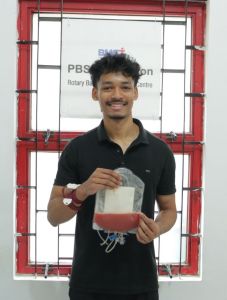
Mohammad Ashraf Ali’s journey began in 2022 with a chance encounter-a social media video on blood stem cell donation that prompted him to register as a donor with the DKMS Foundation India, a non-profit working to support patients battling blood cancers and serious blood disorders. At the time, it felt like a small, almost impulsive step.

Two years later, that decision proved life-changing.

Ashraf received a call informing him that he was a potential match for a patient in urgent need of a stem cell transplant. The timing, however, posed personal challenges. The donation was scheduled during Ramadan, when fasting is a key religious observance. Adding to this was his long-standing fear of needles.

Yet, for Ashraf, the choice was clear.

“When I learned I might be the only match, nothing else mattered,” he said, explaining that for him, Ramadan is not only about fasting and prayer, but also about making meaningful, ethical choices. He believed that saving a life aligned deeply with the values of the holy month.

A past family experience further strengthened his resolve. Having seen a close relative battle a serious health condition, Ashraf understood the importance of timely medical help. With the support of his mother and after addressing concerns within his family, he went ahead with the procedure, overcoming his fears in the process.

His act has drawn attention to a larger issue-the urgent need for stem cell donors in India. Medical experts point out that while a small percentage of patients find matching donors within their families, a vast majority rely on unrelated donors. Despite this, only a tiny fraction of India’s eligible population is currently registered.

Health advocates say stories like Ashraf’s can help bridge this gap by encouraging more people to come forward. Individuals aged 18 to 55, in good health, are eligible to register as potential donors.
As families across the country celebrate Eid with warmth and gratitude, Ashraf’s gesture stands out as a powerful reminder: sometimes, the most meaningful acts of giving happen quietly-offering not just hope, but a second chance at life.

City Today News 9341997936
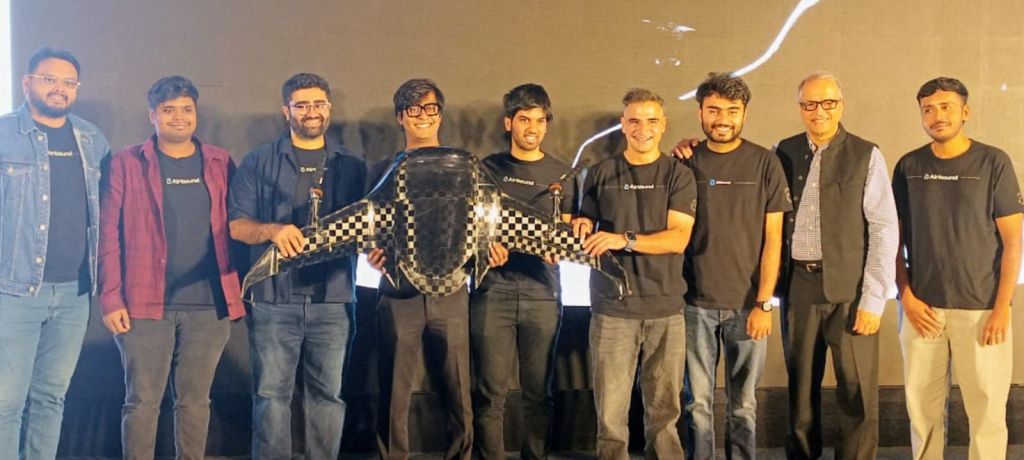
“Airbound–Narayana Health Plan Citywide Medical Drone Network”

Bengaluru, March 17, 2026: In a significant step toward transforming urban healthcare logistics, Narayana Health and Airbound have successfully completed a large-scale drone-based medical delivery pilot in the city, demonstrating faster and more reliable transport of diagnostic samples.

The pilot, operational since January, connected Narayana Health’s Chandapura clinic with its central laboratory at Narayana Health City via a 4-km aerial corridor. The route, completed in just 10 minutes per trip, significantly reduced transit time compared to conventional road transport often delayed by Bengaluru’s traffic.

Over 54 consecutive days, the initiative recorded more than 700 drone flights, each carrying up to 40 diagnostic samples, with zero delivery failures. The system supported up to 20 flights daily, replacing the earlier model of three to four batch-based road transfers. Within weeks, road transport was phased out entirely, enabling continuous sample flow to laboratories and quicker diagnostic turnaround for patients.

According to Dr. Devi Prasad Shetty, the initiative highlights how technology can reduce healthcare costs while improving efficiency. By overcoming logistical barriers, the model supports centralised diagnostics, allowing hospitals to deliver faster and more accessible care.

Encouraged by the results, the partners are now planning an expanded drone corridor linking Electronic City with Banashankari, subject to regulatory approvals. The upcoming hospital in Banashankari is expected to play a key role in the next phase.

Airbound CEO Naman Pushp noted that the pilot proves aerial logistics is already viable in dense urban environments. The companies aim to scale operations across Bengaluru and eventually to other cities, including Kolkata.
The initiative also opens doors for smaller clinics to access advanced diagnostic infrastructure without heavy investment, potentially reshaping healthcare delivery across urban India.

City Today News 9341997936

Precision Meets Innovation: Narayana Health Performs 100+ Robotic Cardiac Surgeries

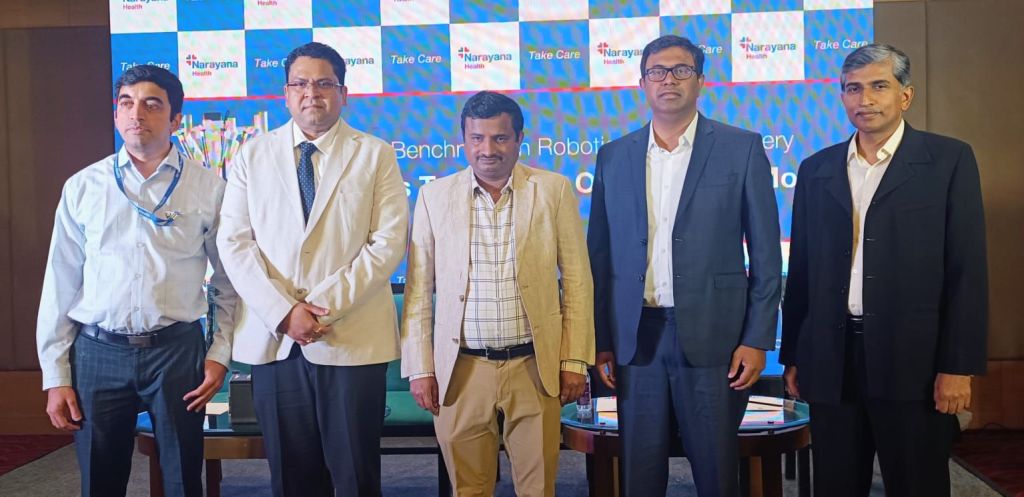
Narayana Health City Performs 100+ Robotic Cardiac Surgeries in a Month, Marking Major Milestone in Heart Care

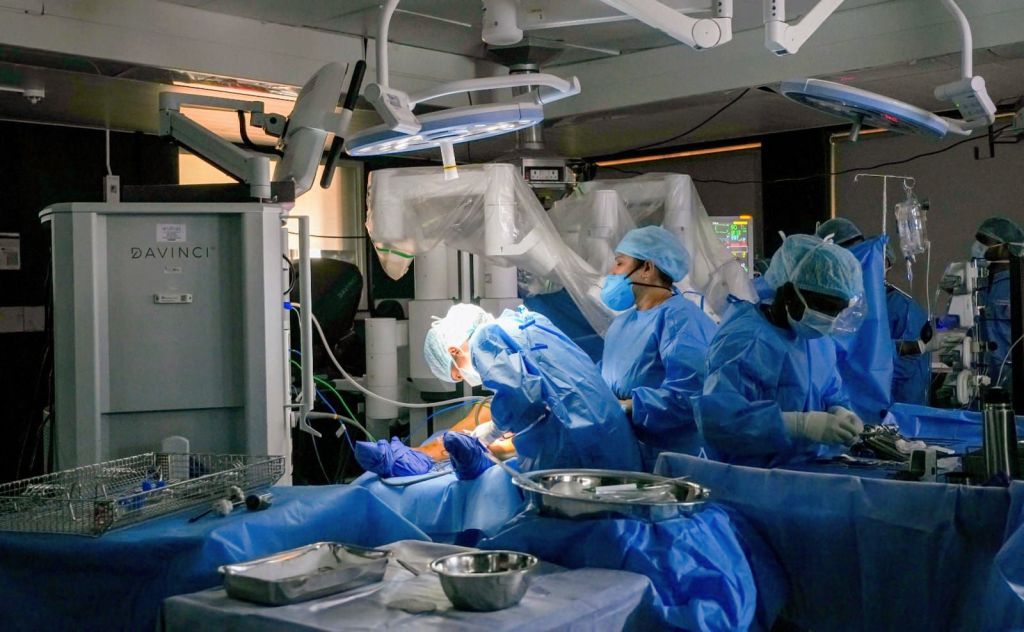
Bengaluru, March 5: Narayana Health has crossed a significant milestone in advanced cardiac care, completing more than 100 robotic heart surgeries within a single month at its flagship facility, Narayana Health City. The achievement highlights the growing role of robotic technology in enabling highly precise and minimally invasive heart procedures.

Hospital officials said the milestone reflects both the surgical expertise of the cardiac team and the successful integration of advanced robotic systems that help deliver consistent outcomes for both adult and paediatric patients.
One of the more complex cases involved a 45 year old patient who had earlier undergone Coronary Artery Bypass Grafting (CABG), commonly known as heart bypass surgery. The patient later developed a tumour in the heart’s upper chamber, which posed a risk of obstructing blood flow.

In such cases, reopening the chest through a conventional redo sternotomy carries significant risk, as previously implanted bypass grafts may be damaged during surgery. Since the patient’s earlier grafts were still functioning well, surgeons opted for a robotic-assisted minimally invasive procedure. The tumour was removed through a small incision on the right side of the chest using robotic instruments and high-definition visualisation, avoiding the need to reopen the breastbone.

Dr. Raghu M G, senior consultant in cardiothoracic surgery, said the patient was supported on a heart-lung machine through peripheral blood vessels during the operation. Instead of stopping the heart completely using conventional clamping techniques, surgeons used a specialised approach that allows the heart to gently quiver while the tumour is removed. Using robotic precision, the team accessed the left atrium and removed the growth while preserving surrounding structures and valve function. The patient recovered well and was discharged in stable condition.

In another case, a 46 year old patient suffering from severe narrowing of the mitral valve due to Rheumatic Heart Disease underwent robotic surgery to replace the damaged valve with a mechanical one. The robotic platform offered high-definition 3D visualisation and enhanced dexterity, allowing surgeons to operate with greater control within the heart.

Dr. Thiruthani Kumaran M M, senior consultant in adult cardiac surgery, said robotic procedures help avoid traditional open-chest surgery, which typically involves cutting through the breastbone. For patients, this often means less post-operative pain, reduced blood loss, quicker recovery and smaller scars. The surgery was completed successfully and the patient was discharged in stable condition.

Doctors also treated a 69 year old woman diagnosed with coronary artery disease along with Dextrocardia with Situs Inversus, a rare condition in which the heart and other internal organs are positioned as a mirror image of normal anatomy. Despite the unusual positioning of the heart and blood vessels, surgeons successfully carried out a robotic-assisted coronary bypass procedure.

Dr. Gagan Khullar, consultant in adult cardiac surgery, mentioned in his statement, operating on such patients is challenging because anatomical structures appear reversed. The robotic system’s enhanced visualisation and precision allowed surgeons to adapt safely to the patient’s anatomy. The surgery was successful, and the patient recovered smoothly.

Hospital authorities said robotic cardiac surgery requires close coordination between surgeons, anaesthesiologists and specialised technical teams. From pre-operative planning to post-surgery recovery, every step is carefully streamlined to maintain safety and precision while enabling faster recovery for patients.

The hospital also reported that patients travelled from several parts of India and abroad for robotic cardiac procedures during the month. About 35% of the patients were from Karnataka, followed by 15% from Tamil Nadu. Others came from states including West Bengal, Jharkhand, Assam and Andhra Pradesh, while nearly 10% of the patients travelled from Bangladesh.

According to the hospital, the diverse patient base reflects growing trust in advanced robotic cardiac care offered at the centre. With continued advancements in robotic technology, the institution says it aims to make complex heart procedures less invasive while expanding access to specialised cardiac treatment for patients across India and neighbouring regions.

City Today News 9341997936

Apollo Bengaluru Executes Rare Robotic Double Valve Replacement on High-Risk Woman

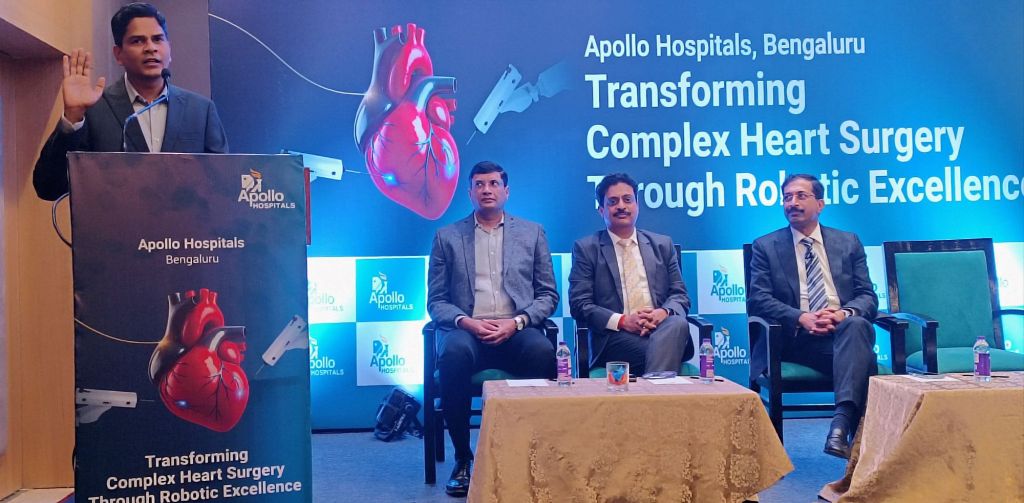
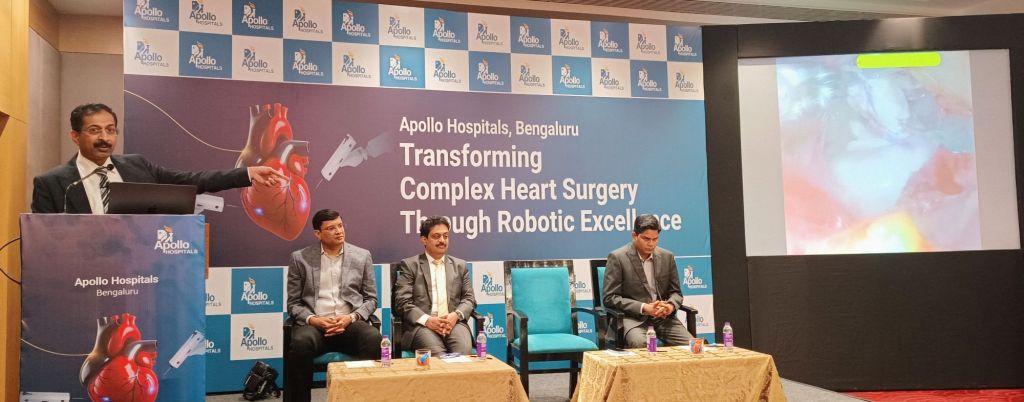
Bengaluru, December 09, 2025: In a significant advance for cardiac care, Apollo Hospitals, Bengaluru, has performed a rare and exceptionally complex robotic double valve replacement using the state-of-the-art Da Vinci Xi Surgical System. The feat places the hospital among a handful of centres in India capable of carrying out this procedure with next-generation robotic technology.

The surgery was led by Dr. Sathyaki Nambala, Chief of Robotic Cardiac Surgery, who has been at the forefront of minimally invasive cardiac techniques in the country. The successful outcome marks a major step forward in bringing multi-valve replacement under the umbrella of precision-driven, robotic-assisted surgery.

Although double valve replacement using robotics was reported in India more than a decade ago, those earlier attempts were restricted by older systems with limited capabilities. Apollo’s use of the latest robotic platform—offering enhanced visualisation, improved dexterity and streamlined workflow—represents a new benchmark in the evolution of robotic cardiac surgery.

The patient, a 53-year-old woman, was admitted with severe damage to both the aortic and mitral valves caused by infective endocarditis. Her condition was further complicated by rheumatoid arthritis, obesity, thyroid dysfunction and a previous stroke, making her a high-risk candidate for conventional open-heart surgery.

With these challenges in mind, the team opted for a minimally invasive route. Using keyhole incisions and real-time TEE guidance, surgeons replaced both valves with bioprosthetic implants without the need for a sternotomy.

Recovery was swift and smooth. The patient was extubated and mobilised within 12 hours, shifted out of intensive care soon after, and discharged on the third postoperative day. She remained stable and symptom-free at her one-week review.

“This achievement is a milestone not only for Apollo but for robotic cardiac surgery in Asia,” Dr. Sathyaki Nambala said. “The latest robotic platforms offer an unprecedented level of precision and safety, enabling us to undertake highly complex multi-valve procedures through a minimally invasive approach.”

Dr. Girish B. Navasundi, Director – Cath Lab & Senior Consultant, Cardiology, noted that advanced robotics is transforming valve surgery by reducing surgical trauma, blood loss and overall recovery time.

Mr. Akshay Oleti, CEO – Apollo Hospitals, Karnataka, said the accomplishment underscores Apollo’s commitment to clinical innovation. “With Dr. Sathyaki’s extensive expertise—spanning over 3,000 minimally invasive cardiac procedures and 600 robotic surgeries—this milestone highlights our determination to push boundaries in precision cardiac care,” he added.

The success of this next-generation robotic double valve replacement further strengthens Apollo Bengaluru’s leadership in robotic cardiac surgery, offering safer and more effective treatment options for even the most complex and high-risk patients.

City Today News 9341997936

Battling Bengaluru’s Winter Allergies? Homeopathy May Hold the Long-Term Answer

Homeopathy Offers Hope for Winter Allergy Relief in Bengaluru

Bengaluru, December 08, 2025: As winter draws nearer, Bengaluru—often dubbed India’s “allergy capital”—is witnessing a marked rise in seasonal allergy cases. According to Dr. Kushal Banerjee, second-generation homeopath and Senior Consultant at Dr. Kalyan Banerjee Clinic, the shift in weather has triggered a spike in complaints ranging from allergic rhinitis and conjunctivitis to asthma flare-ups and eczema.

Dr. Banerjee noted that Bengaluru’s sharp temperature swings, low atmospheric pressure, high pollen levels and persistent pollution make residents particularly sensitive during this period. “Even healthy individuals experience symptoms as winter approaches. We regularly see patients with runny or blocked noses, burning or itching in the eyes and nose, persistent cough, shortness of breath and eczema flare-ups due to dry air,” he said.

He added that clinical findings indicate homeopathic medicines can ease allergy symptoms without the drowsiness commonly linked to conventional anti-allergic drugs. Fast-acting remedies such as Arsenicum Album and Allium Cepa help control acute symptoms, while long-term treatments like Calcarea Carb and Psorinum reduce repeated episodes.

Highlighting the impact on daily productivity, Dr. Banerjee said allergies contribute significantly to absenteeism and reduced work efficiency. He stressed that timely and sustained homeopathic care can lessen recurrences and improve overall wellbeing. He advised residents to avoid strong fragrances and chemical irritants, use mild personal-care products, maintain healthy routines and seek early medical support to prevent chronic allergy patterns.

City Today News 9341997936