
50 children to get Lifelong Access to free Roche drug for SMA treatment

Bangalore, 14th November 2024: Care and Protection of Children Trust (CPCT), a leading NGO committed to alleviating the burden of rare diseases, today announced the launch of a groundbreaking financial assistance initiative aimed at supporting children diagnosed with Spinal Muscular Atrophy (SMA). As part of this landmark program, 50 children up to the age of 16 years in Karnataka will receive lifelong free of cost access to Risdiplam, a revolutionary oral treatment for SMA.
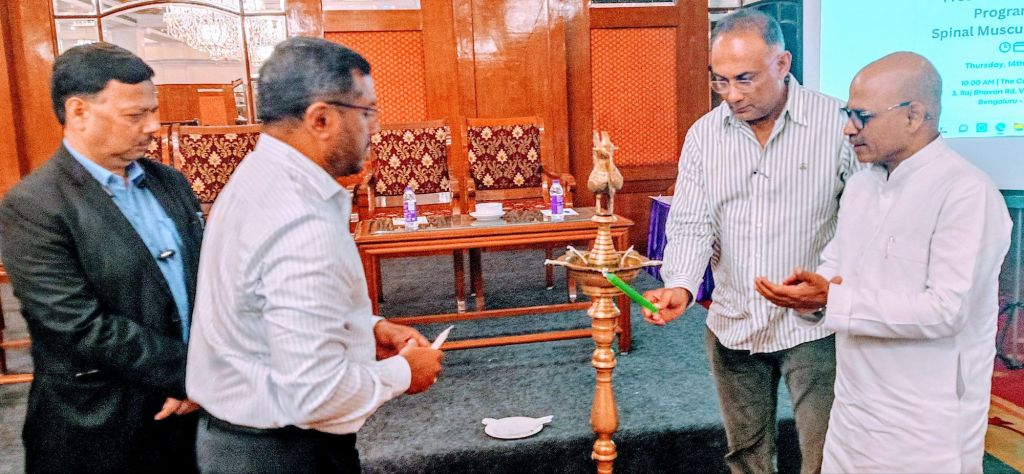
CPCT has signed an agreement with Roche Pharma India to procure Risdiplam, the first and only drug approved by the Drugs Controller General of India (DCGI) for the treatment of SMA. Under CPCT’s Free Medicine Access Programme (F-Map), children will receive continuous care and access to treatment at Indira Gandhi Institute of Child Health (IGICH), Bengaluru.

Mr. Lakshmi Kanthan (Chairman – CPC Trust)
“At CPC Trust, our mission is to ease the burden of rare diseases for children and families who often have limited resources. We strongly believe that every child deserves to be treated with the best available therapy and are constantly working towards addressing access barriers. We are sure that with the free drug support of Risdiplam, a disease modifying therapy which can be administered orally in the comfort of one’s home, these children will benefit immensely. We hope that this partnership in Karnataka will serve as a role model to scale the program in other States too.”
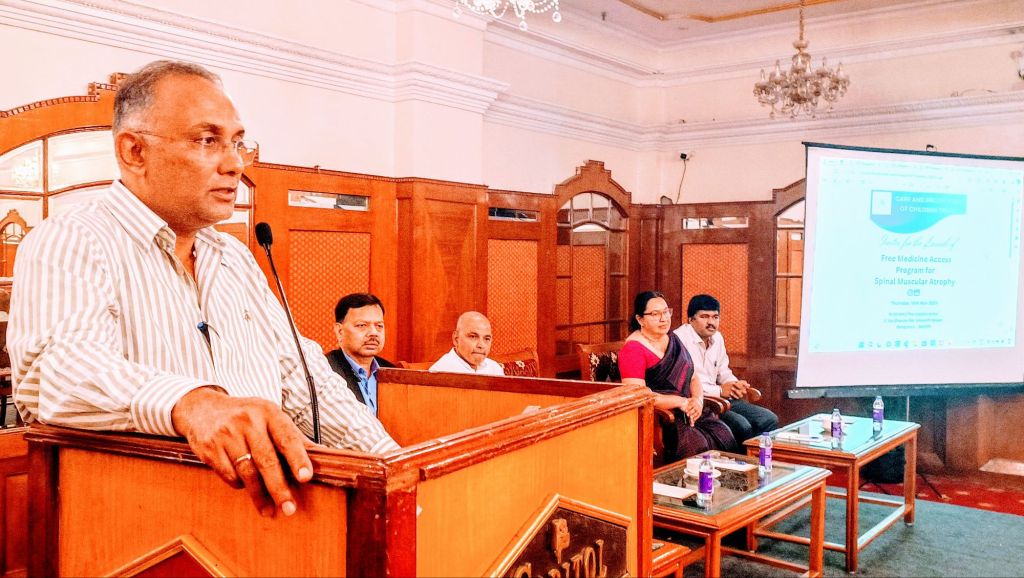
Shri Dinesh Gundu Rao (Honorable Minister for Health & Family Welfare, Government of Karnataka)
“We are thankful to CPCT for coming forward to support 50 children suffering from SMA in Karnataka with lifetime drug support. This landmark program will pave the way for a brighter future for these children of Karnataka by giving them a fair and solid chance to battle a debilitating condition like SMA. Programmes like these are in line with the state government’s healthcare vision of providing best-in-class care and treatment for citizens of Karnataka.”
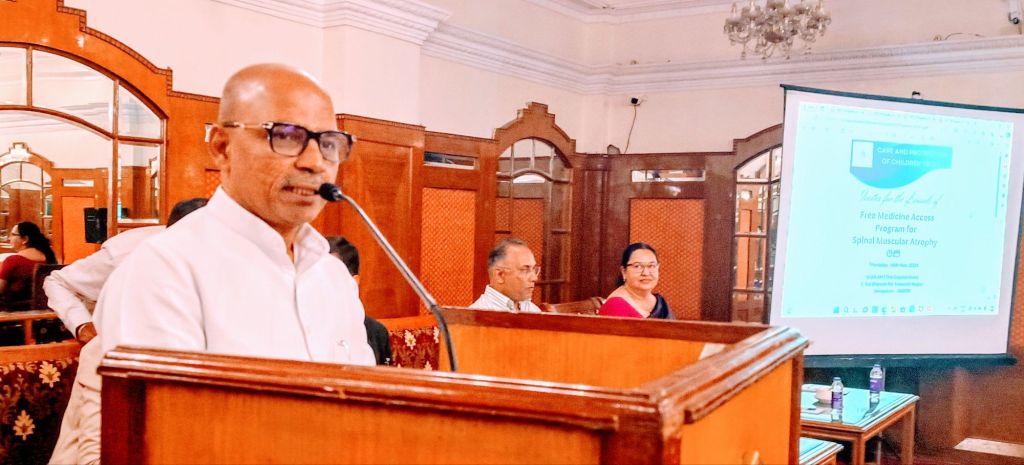
Shri Dr Sharanprakash Patil (Honorable Minister of Medical Education Health & Family Welfare, Government of Karnataka)
“We are thankful to CPCT for their generous funding towards supporting these children battling SMA. This is a first-of-its-kind financial assistance program anywhere in the country. We are delighted that SMA patients in Karnataka will stand to benefit Immensely.”

The Free Medicine Access Programme (F-Map) is an initiative specially curated by CPCT through funding received under CSR for treatment of rare conditions. In line with its mission to provide holistic support for children battling rare diseases, CPCT plans to expand the F-Map initiative to cover additional children in the near future. The NGO by rare diseases in India.
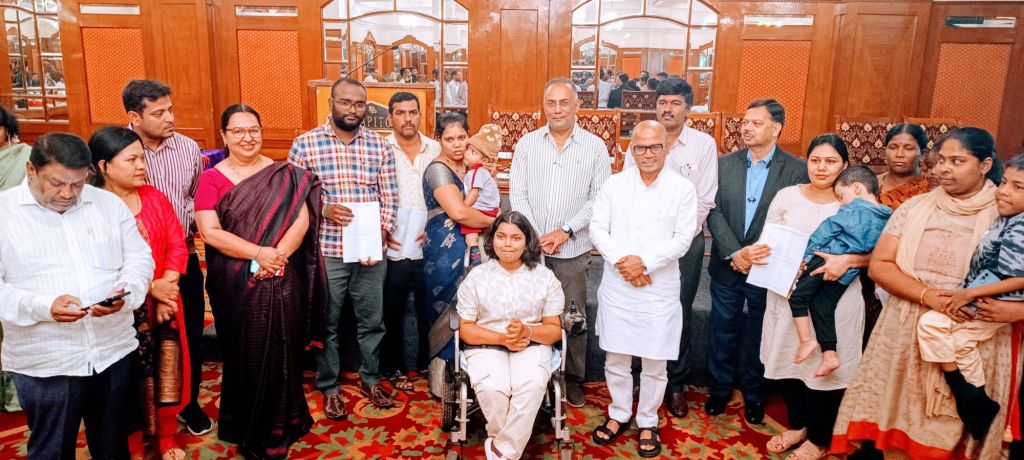
A Lifelong Commitment to Treating SMA
SMA is a rare genetic disorder that severely impacts muscle strength and motor functions, often leading to life-threatening complications if untreated. In India, access to advanced treatment options for rare conditions remain a challenge. By leveraging strategic partnerships and creating innovative solutions like F-Map, CPCT is bridging the gap to improve healthcare access for underserved communities,

City Today News 9341997936
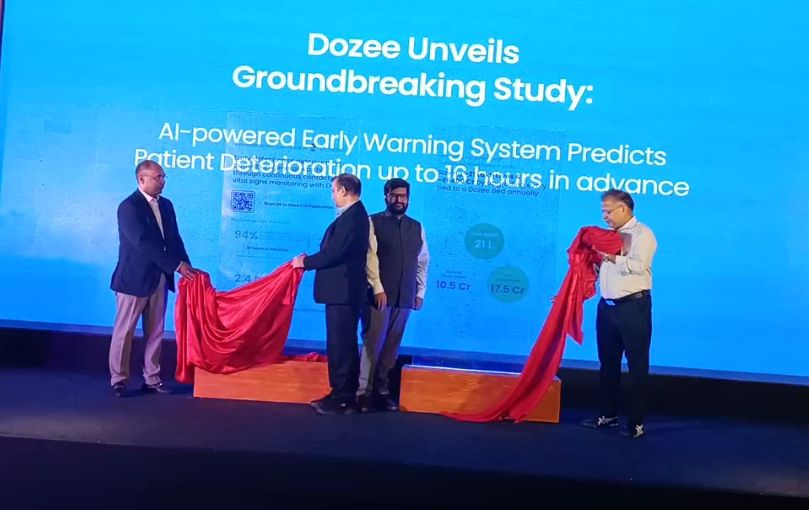
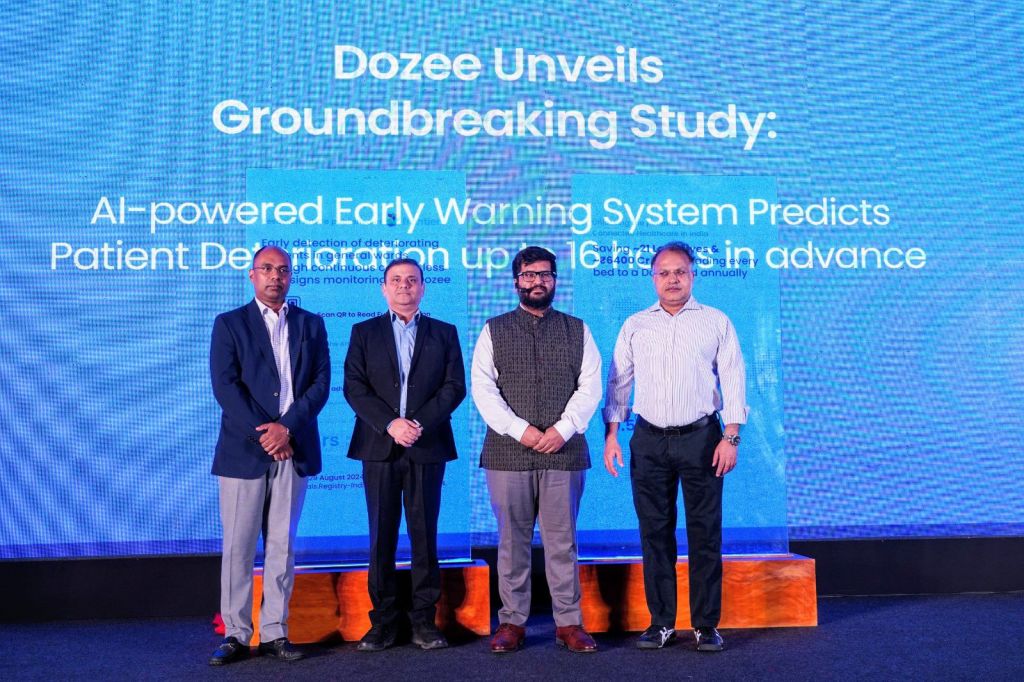
Dozee Unveils Groundbreaking Study: AI-Powered Early Warning System Predicts Patient Deterioration Up to 16 Hours in Advance

This Landmark Study, One of India’s Largest in Tertiary Care, Reaffirms Dozee’s Commitment to Solving Healthcare Challenges, Saving Lives, and Delivering Scalable, Affordable, World-Class Healthcare for All with Health AI.

Bangalore, India – October 25, 2024:Dozee, India’s Health AI leader, has unveiled the findings of a landmark study published in the internationally renowned journal Frontiers in Medical Technology. This journal is part of the prestigious Frontiers group. The study was conducted at King George’s Medical University (KGMU) and is one of the largest observational studies of its kind in Indian tertiary care. This study highlights the groundbreaking impact of Dozee’s AI-powered Early Warning System (EWS), demonstrating its ability to predict patient health deterioration up to 16 hours in advance, thereby providing healthcare professionals with a critical window to intervene early and potentially save lives.

In a nation with 2 million hospital beds, where approximately 1.9 million patients in general wards rely on manual spot checks for monitoring, Dozee’s AI-Powered Remote Patient Monitoring and Early Warning System (EWS) offers a revolutionary solution. This technology has the potential to transform care across 95% of hospital capacity, delivering life-saving continuous monitoring that ensures world-class healthcare at a fraction of the cost of ICU services.

The pioneering observational study monitored over 700 patients across 85,000 hours and demonstrated how Dozee’s Continuous Contactless Remote Patient Monitoring and Early Warning System (EWS) can revolutionize traditional manual processes. By delivering alerts up to 16 hours before a critical event, Dozee’s system empowers healthcare professionals to act earlier, improving patient outcomes while saving healthcare practitioners 2.4 hours per staff member per day. The study analyzed key metrics including alert sensitivity, specificity, average time from initial alert to deterioration, and healthcare practitioners’ activity, providing robust clinical evidence of Dozee’s life-saving impact.

In many Indian hospitals, continuous monitoring is limited to ICUs, leaving general wards—where the majority of patients reside—vulnerable to undetected clinical deterioration. This study demonstrates that Dozee’s EWS bridges this gap by continuously tracking vitals such as heart rate, respiratory rate, and blood pressure. The results showed that Dozee’s EWS predicted patient deterioration in 67% to 94% of cases, allowing healthcare providers to intervene long before conditions became critical. This early detection holds the potential to save 21 lakh lives annually and reduce healthcare costs by ₹6400 crores.

Key Findings from the Study:

● Dozee’s EWS alerted patients’  health deterioration about 16 hours in advance
● Continuous monitoring saved 10% of healthcare practitioners’ time, equivalent to 2.4 hours per day.

Dr. Himanshu Dandu, Professor in the Department of Medicine at KGMU, emphasized the technology’s potential to enhance critical care in resource-constrained environments. “This system enables early detection and continuous patient monitoring, providing a scalable and affordable solution tailored to the demands of healthcare systems facing heavy patient loads. The ability to detect signs of patient health deterioration  can significantly improve their  survival rates.”

Dr. Jean-Louis Teboul, a world-renowned intensivist and critical care expert from Paris-Saclay University, emphasized the global implications of the study, “What we have achieved in India has the potential to reshape healthcare globally. The challenges may differ, but the need for equitable, timely, and affordable care remains universal.”

“The results of this study affirm what we’ve always believed—this real-world evidence demonstrates technology’s ability to transform healthcare, making it more efficient, accessible, and equitable,” said Mr. Gaurav Parchani, CTO & Co-Founder of Dozee. “We’re not just solving a problem for India but laying the groundwork for global healthcare solutions.”

The study, authored by a distinguished team of experts from across the globe, including Dr. Himanshu Dandu and Dr. Ambuj Yadav from KGMU, along with Dozee’s clinical research team—Mr. Gaurav Parchani, Dr. Kumar Chokalingam, and Ms. Pooja Kadambi,  Dr. Rajesh Mishra, an Intensivist and former ISCCM President, and Dr. Ahsina Jahan, Deputy Medical Director in charge of ICU and Emergency from Bangladesh. It has garnered international attention with contributions from Dr. Jean-Louis Teboul, Paris-Saclay Medical University and Dr. Jos M. Latour from University of Plymouth, United Kingdom.  The study findings emphasize that Dozee’s health AI offers more than a national solution; it addresses global healthcare gaps. Traditional models are proving unsustainable, and Dozee’s system provides a simple, scalable, and affordable solution that not only digitizes healthcare but could serve as a blueprint for global adoption.

City Today News 9341997936

Dr. Sanjay Bhat successfully treats elderly patient with critical blockages in two major coronary arteries at Bangalore’s Aster CMI Hospital

Expert in Percutaneous Coronary Interventions, Dr. Sanjay Bhat successfully treats elderly patient with critical blockages in two major coronary arteries at Bangalore’s Aster CMI Hospital
In a remarkable achievement, Dr. Sanjay Bhat, a well-known cardiologist with remarkable expertise in coronary interventions, has successfully performed percutaneous coronary intervention (PCI) on a 74-year-old male patient with life-threatening blockages in two major coronary arteries. This significant surgery was carried out under the expertise of Dr. Sanjay Bhat at Aster CMI Hospital, Bangalore.
The patient presented to the hospital’s emergency department with chest pain persisting for three days. A thorough evaluation, including an initial ECG, revealed significant abnormalities, prompting immediate coronary angiography. The angiogram showed severe double vessel disease, with critical blockages located at the bifurcation of the left anterior descending (LAD) and left circumflex (LCX) arteries, two of the heart’s most vital arteries.
Understanding the complexity of the blockages, Dr. Bhat and his team opted for a procedure known as percutaneous coronary intervention (PCI) using the culotte stenting technique, a method particularly suited for treating bifurcation lesions. Three drug-eluting stents (DES) were strategically placed in the LAD and LCX arteries to restore optimal blood flow.

Dr. Bhat remarked on the procedure’s success, stating, “This was a high-risk case due to the location and severity of the blockages. Besides, the patient was elderly. However, with the culotte stenting technique and the latest generation of drug-eluting stents, we were able to restore blood flow effectively and provide significant relief to the patient.”
Following the procedure, the patient showed remarkable clinical improvement and was discharged on guideline-directed medical therapy. This successful intervention highlights Dr. Bhat’s dedication to providing cutting-edge cardiovascular care to his patients.
Dr. Sanjay Bhat is an expert in percutaneous coronary interventions. He has undergone specialized training in complex coronary interventions, rotablation, IVUS, FFR, OCT and pacemaker implantation at Asan Medical Centre, Seoul (Korea), Cleveland Clinic (USA), and Mount Sinai Hospital, New York (USA). He is committed to utilizing the latest advancements in interventional cardiology to offer patients the best possible outcomes, even in complex cases.

City Today News 9341997936

Air Pollution Leading Cause of Lung Cancer in Non-smokers

Traffic exhaust, smoke due to coal and wood burning, and passive smoking
are major risk factors after tobacco

BENGALURU / September 24, 2024: Intake of tobacco (both smoke and smokeless forms) accounts for 21% of total cancer deaths worldwide, including those from lung cancer. Non-smokers can still be at risk for lung cancer due to several factors, even though smoking is the leading cause. Air pollution in various forms poses a significant risk to them. This was said by Dr. Radheshyam Naik, Consultant Medical Oncologist, Hematologist, and Bone Marrow Transplant Physician at Sammprada Hospital, Bengaluru, ahead of the World Lung Day.
He said: “While the risk of lung cancer is lower for non-smokers than for smokers, they should still be aware of non-tobacco risk factors and take steps to minimize their exposure. This is especially important considering the rising incidence of lung cancer among people who have never smoked. Long-term exposure to polluted air increases the risk of lung cancer. A critical component of air pollution includes the airborne particulate matter of different sizes which are a result of combustion from various sources. Motor vehicles emissions contain many human carcinogens like diesel exhaust, benzene, polyaromatic hydrocarbons, and dioxin.”
The doctor said long-term occupational exposure can happen from diesel and gasoline exhaust, inhalable dusts like metals and silica, and working in areas like mining, foundries, truck transportation, carbon black production, and asphalt. This increases the risk of lung cancer for non-smokers.
Dr. Radheshyam Naik added: “The residual risk of developing lung cancer is also significant among former smokers. Ongoing research reports a favorable response to chemoprevention among former smokers when compared with current smokers. Alcohol consumption contributes to 4% of all cancers worldwide, which includes lung cancer.”
Household air pollution is a result of burning of solid fuels, passive smoking, and inadequate ventilation systems. “In the Indian context, since many women tend to work from within their homes and cook very frequently, the exposure at home has a strong impact on their lung health compared with males. When contrasted with clean energy, the coal furnace which is used as a means of domestic heating in rural areas is associated with twice the risk of lung cancer,” he said.
The doctor said that it is important for physicians in India to be trained to recognize the symptoms of lung cancer early. “According to research studies from South India, less than 50% of doctors suspect lung cancer when a patient presents to them with symptoms.

Evidence shows that among Indian lung cancer patients, there exists a delay of about 100 days between developing symptoms and the diagnosis of lung cancer. This duration extends by another 26 days for receiving proper treatment. A higher index of clinical suspicion should be exercised by physicians in India among those at risk for lung cancer,” Dr. Radheshyam Naik.
Low dose spiral CT scanning provides a tool for early detection of lung cancer, as a complete image of the thorax can be obtained during a single hold of breath. It is important to develop lung cancer clinics in hospitals which will enable the appropriate diagnosis and treatment of lung cancer, he added.

City Today News 9341997936

SRM Global Hospitals Achieves Milestone with Rare Hernia Surgery on 28-Day-Old Infant, Fourth Known Case in the World

While neonatal hernias are relatively common in preterm babies, Amyand’s hernia is exceptionally rare. It affects only about 0.42% of these infants.
The boy, born at just 28 weeks, underwent surgery on the 23rd day after his birth while under general anesthesia.


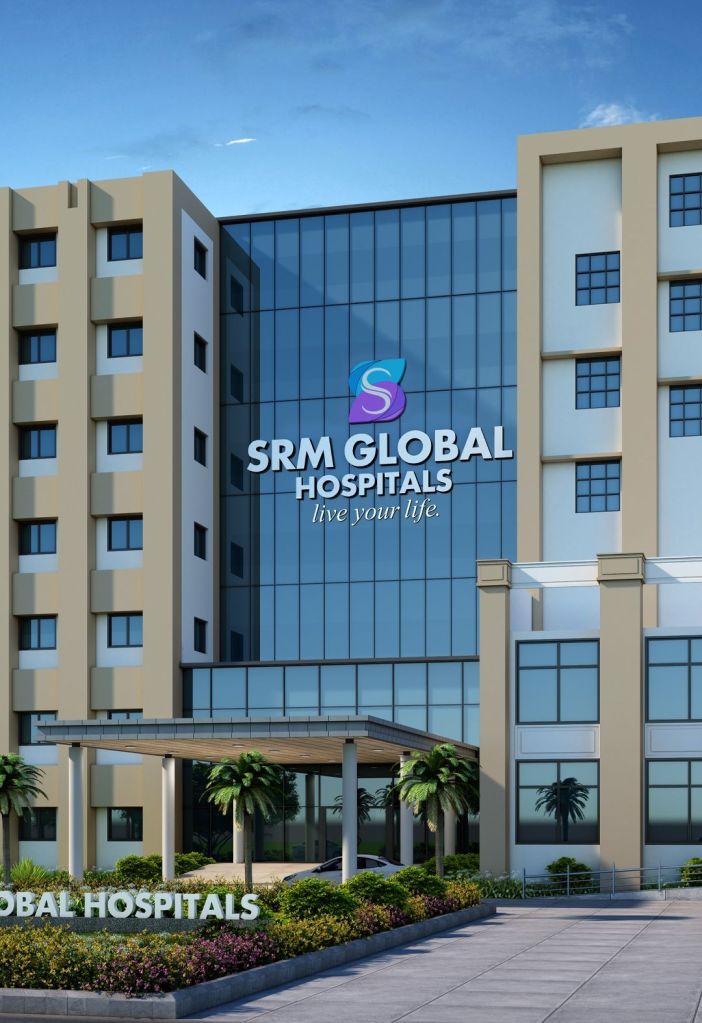
Chennai, 12 September 2024: SRM Global Hospitals successfully performed a complex, three-part emergency surgery to save the life of a critically premature baby boy with Amyand’s hernia, a rare condition where the appendix is located in the groin—only the fourth case of its kind in medical history in the world.

The boy, born at just 28 weeks, underwent surgery on the 23rd day after his birth while under general anesthesia. The procedure was successful, and post-operatively, the child recovered well, gaining weight to reach 2.06 kg and was discharged in good general condition.


It was a highly challenging surgery as the boy, like any other premature baby, had an immature airway that made anesthesia more difficult and required precise management. Furthermore, the delicate tissues required careful surgical handling to avoid damage. Additionally, the low birth weight of the infant necessitated specialized postoperative care in the NICU to ensure proper recovery and support.

The three parts of the surgery were: inguinal exploration, performed to examine and assess the groin area; appendectomy, to remove the appendix; and herniotomy, to repair the hernia by removing the hernia sac and fixing the defect in the abdominal wall. The entire procedure lasted for an hour. The pediatric surgery team, led by Dr. M. Saravana Balaji and Dr. N. Prathiba, carried out the procedure with the assistance of the anesthesia team, including Dr. K. Anand and Dr. Dheepak Kumaran, along with NICU doctors Dr. S. Subash and Dr. Ashok C.


Commenting on the surgical feat, Dr. P. Sathyanarayanan, President, SRM Global Hospitals, said, “Successfully treating this critically premature baby with Amyand’s hernia—something seen only three times worldwide—highlights our team’s expertise. This complex surgery was a big challenge, but our skilled surgeons, anesthesia team, and NICU specialists handled it with incredible care. This case shows our hospital’s ability to tackle even the rarest conditions and set new standards in medical care.”


In his comments, Dr. Saravana Balaji said, “The newborn had been in the Neonatal ICU since birth. The baby developed obstructed right inguinoscrotal swelling on the 23rd day. We had to do emergency surgery, as the condition was life-threatening. While neonatal hernias are relatively common in preterm babies, Amyand’s hernia is exceptionally rare. It affects only about 0.42% of these infants. Even rarer is the perforated appendix, occurring in just 0.1% of Amyand’s hernia cases. To date, only three such cases have been reported globally. Our prompt intervention was crucial in addressing this complex and rare condition.”


The baby is doing well and steadily gaining weight under the care of his parents, Manju, a housewife, and Moorthy, a daily wage laborer—both from Chengalpattu.

City Today News 9341997936