SAVE YOUR EYES FROM THE SUMMER STRAIN


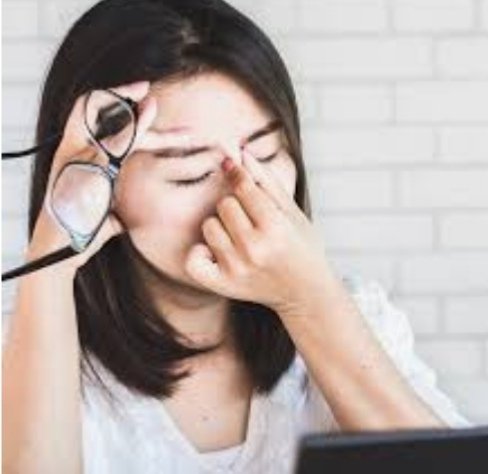
The early onset of summer and to such sudden extremities is not a very welcome change for anyone. Hot winds, scorching sun, sweaty palms and wet clothes take a toll on everyone’s health in various manners. After our skin, our eyes remain the most exposed organs to deal with the direct impact of this increased heat. Either due to tiny dust particles, hot temperature radiations, dirty palms rubbed near the eye areas, too bright sights or just sweat going down the eyes; redness, frequent squinting, and itching of our eyes very commonly announce the arrival of summers. Impacting our extremely sensitive sense organs, summer almost becomes a season of eye diseases. Hence, it becomes extremely important to prevent and save your eyes from any discomfort during this summer, because this heat seems to be here to stay.
Some of the most common problems of eyes that occur during this time are:
Conjunctivitis: Making our eyes red, itchy and watery, this is a condition that almost everyone has had at some point in their lives. Also called pink eye or red eye, this is a contagious disease but only through direct contact with an infected person, or by sharing objects with them. It can be a result of any bacterial, viral, fungal or some other kind of infection and is best to be dealt in consultation with a doctor.
Dry eyes: The excess of temperature can sometimes make the tear film of the eye evaporate too soon and that can lead to the condition of dry eyes where the eyes become red, irritable and have a constant burning sensation.
Stye: This is a bacterial condition that results into a small swelling on either one or both of the eyelids and causes pain, redness and swelling.
Eye allergies: The high levels of pollutants and irritants in the air, combined with the heated up air during summer, can cause several allergic reactions in the eyes that again cause redness, itching or burning.
While these problems have similar symptoms and are not very long-lived, they can still be uncomfortable and should be adhered to with medical assistance.

Following are a few things that can be kept in mind to avoid these problems:

*Keep yourself hydrated at all times
*Carry a pair of sunglasses that have UV protection while you are outdoors
*Make sure you are wearing goggles with adequate sealing while swimming
*Try not to share towels, pillowcases, sheets, etc. Use clean and fresh disposable tissues instead
*Do not share cosmetics
*Try not to make a direct eye-contact with air from the AC
*Do not rub your eyes hard or do not touch them directly. Wash your hands frequently
*Take proper care of your personal hygiene
*Give your eyes sufficient rest. Get at least six to eight hours of proper sleep to help your eyes rejuvenate properly.
*Wash your eyes frequently. Keep fresh clean cold wet towel or freshly cut cucumber pieces or cotton dipped in rose water to provide coolness to your eyes.
Keep your house free of dust.

– by Dr Kavya Nagaraju, Cornea consultant, Sankara Eye Hospital.

City Today News

(citytoday.media)

9341997936

ಅಪೊಲೊ ಕ್ಲಿನಿಕ್ ದೇಶದಾದ್ಯಂತ ತನ್ನ ಕೇಂದ್ರಗಳಲ್ಲಿ ವಿಶೇಷವಾದ ಹಿಯರಿಂಗ್ ಮತ್ತು ಸ್ಪೀಚ್ ಚಿಕಿತ್ಸೆಗಾಗಿ ಹಿಯರ್ಫೊನ್ ನೊಂದಿಗೆ ಕೈಜೋಡಿಸಿದೆ

*ಅಪೊಲೊ ಕ್ಲಿನಿಕ್ ದೇಶದಾದ್ಯಂತ ತನ್ನ ಕೇಂದ್ರಗಳಲ್ಲಿ ವಿಶೇಷವಾದ ಹಿಯರಿಂಗ್ ಮತ್ತು ಸ್ಪೀಚ್ ಚಿಕಿತ್ಸೆಗಾಗಿ (ಟ್ರೀಟ್ಮೆಂಟ್ಗೆ) ಹಿಯರ್ಫೊನ್ನೊಂದಿಗೆ ಪಾಲುದಾರಿಕೆಯನ್ನು ಹೊಂದಿದೆ.
* ಗ್ರಾಹಕನ ವಿಚಾರಣೆ ಮತ್ತು ಕಿವುಡು ಮತ್ತು ಮೂಕ ರೋಗಿಗಳ ಅಗತ್ಯತೆಗಳಿಗಾಗಿ
* ಕೇಳುವ ಸಾಧನಗಳ ಮೇಲೆ AMC ಮತ್ತು ಖಾತರಿ ಪ್ಯಾಕೇಜುಗಳು

ಅಪೊಲೊ ಕ್ಲಿನಿಕ್ ದೇಶದಾದ್ಯಂತ ತನ್ನ ಕೇಂದ್ರಗಳಲ್ಲಿ ವಿಶೇಷವಾದ ಹಿಯರಿಂಗ್ ಮತ್ತು ಸ್ಪೀಚ್ ಚಿಕಿತ್ಸೆಗಾಗಿ ಹಿಯರ್ಫೊನ್ ನೊಂದಿಗೆ ಕೈಜೋಡಿಸಿದೆ

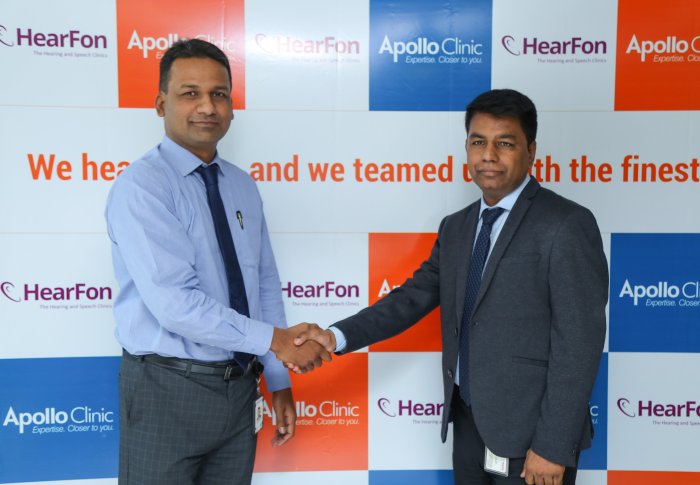
ಬೆಂಗಳೂರು, 7.5.2019: ಅಪೊಲೊ ಕ್ಲಿನಿಕ್ ರೋಗಿಗಳಿಗೆ ವಿಶೇಷ ಕಿವುಡು ಮತ್ತು ಮೂಕ (ಕಿವುಡು ಮತ್ತು ಮಾತು) ಚಿಕಿತ್ಸೆಯನ್ನು ಒದಗಿಸುವುದಕ್ಕಾಗಿ ಭಾರತದ ಪ್ರಮುಖ ವಿಚಾರಣೆಯ ಸಾಧನಗಳು ಮತ್ತು ಸ್ಪೀಚ್ ಥೆರಪಿ ಕ್ಲಿನಿಕ್ ಹಿಯರ್ಫೊನ್ ಸಂಸ್ಥೆ ಜೊತೆ ಅಪೋಲೋ ಕ್ಲಿನಿಕ್ ಇಂದು ಕೈಜೋಡಿಸಿದೆ. ಈ ಪಾಲಿದಾರಿಕೆಯಿಂದ ಅಪೊಲೊ ಕ್ಲಿನಿಕ್ ನ ರೋಗಿಗಳು ವಿವಿಧ ವಿಧದ ಸ್ಪೀಚ್ / ವಾಯ್ಸ್ ಥೆರಪಿಸ್, ಕೇಳುವ ಸಾಧನಗಳು, ಅರ್ಹವಾದ ಆಡಿಯಾಲಜಿಸ್ಟ್ ಗಳ ಮೂಲಕ ವಿಶೇಷ ಚಿಕಿತ್ಸೆಗಳನ್ನು ಪಡೆಯಬಹುದಾಗಿದೆ. ಪಾಲುದಾರಿಕೆಯ ನಿಯಮಗಳಡಿಯಲ್ಲಿ, ಅಪೊಲೊ ಕ್ಲಿನಿಕ್ಸ್ ನಲ್ಲಿ ಹಿಯರ್ಫೊನ್ ಕಿವುಡು ಮೂಕ ರ ಚಿಕಿತ್ಸೆ ಕೇಂದ್ರಗಳನ್ನು ಸ್ಥಾಪಿಸುತ್ತದೆ. ಬೆಂಗಳೂರು, ಹೈದರಾಬಾದ್, ಚೆನ್ನೈ, ಪುಣೆ, ಮೈಸೂರು, ವಿಶಾಖಪಟ್ಟಣಂ ಮತ್ತು ಘಜಿಯಾಬಾದ್ಗಳಲ್ಲಿ ಈ ಸೌಲಭ್ಯ ಲಭ್ಯವಿರುತ್ತದೆ. ಚಿಕಿತ್ಸೆಗಳು ಮತ್ತು ಕೇಳಿಸುವ ಸಾಧನಗಳನ್ನು ನೀಡುವ ಮೂಲಕ, ಅಪೊಲೊ ಕ್ಲಿನಿಕ್ಸ್ ಮತ್ತು ಹಿಯರ್ಫೊನ್ AMC ಪ್ಯಾಕೇಜ್ಗಳನ್ನು ನೀಡುವುದರ ಜೊತೆಗೆ, ನಿವಾರಕ ನಿರ್ವಹಣೆ ಮತ್ತು ವಿಚಾರಣಾ ಸಾಧನಗಳ ಮೇಲೆ ವಿಸ್ತರಿತ ಖಾತರಿ ಯೋಜನೆಗಳಿಗೆ ವಾರೆಂಟಿ ಸಹ ನೀಡುತ್ತದೆ.
2016 ರಲ್ಲಿ ಪ್ರಕಟವಾದ WHO ಅಧ್ಯಯನ ಪ್ರಕಾರ, ಭಾರತದಲ್ಲಿ ಐದು ದಶಲಕ್ಷ ಮಕ್ಕಳು ಕಿವುಡು ಮತ್ತು ಮೂಕತೆಯ ದುರ್ಬಲದಿಂದ ಬಳಲುತ್ತಿದ್ದಾರೆ. ಈ ಬಗ್ಗೆ ಮಾತನಾಡುತ್ತಾ, ಸಿಒಒ ಶ್ರೀ ಆನಂದ್ ವಾಸ್ಕರ್, ಅಪೋಲೋ ಕ್ಲಿನಿಕ್ ಅವರು “ನಮ್ಮ ಪ್ರಮುಖ ಗುರಿ ಉತ್ತಮ ಗುಣ ಮಟ್ಟದ ಆರೋಗ್ಯ ರಕ್ಷಣೆ ಮತ್ತು ತಪಾಸಣೆಯನ್ನು ಪ್ರತಿಯೊಬ್ಬ ವ್ಯಕ್ತಿಯ ಕೈಗೆಟೂಕುವಂತೆ ಮಾಡುವುದು. ಹಿಯರ್ಫೊನ್ ಜೊತೆಗಿನ ಸಹಭಾಗಿತ್ವ ಈ ಬದ್ಧತೆಯನ್ನು ಬಲಪಡಿಸುತ್ತದೆ.

ಅತ್ಯಾಧುನಿಕ ಕೇಳುವ ಸಾಧನಗಳು, ಪರೀಕ್ಷಾ ಉಪಕರಣಗಳು ಮತ್ತು ಚಿಕಿತ್ಸೆಗಳು ಹಿಯರ್ಫೊನ್ ಜೊತೆ ಪಾಲುದಾರಿಕೆಯನ್ನು ಒತ್ತಿಹೇಳುತ್ತವೆ “.
ಈ ಪಾಲುದಾರಿಕೆಯ ಬಗ್ಗೆ ಆಡಿಯೋಲಾಜಿಸ್ಟ್ ಆಗಿರುವ ಮತ್ತು ಹಿಯರ್ಫೊನ್ ನ ಸಿಇಒ ಮತ್ತು ಸಂಸ್ಥಾಪಕ ಶ್ರೀ ಕೃಷ್ಣಕುಮಾರ್ .ಜಿ ಮಾತನಾಡುತ್ತಾ, “ಕಿವುಡು ಮತ್ತು ಮೂಕತನ ಇರುವವರಿಗೆ ಉತ್ತಮ ಗುಣ ಮಟ್ಟದ ಜೀವನವನ್ನು ಕಲ್ಪಿಸುವುದೇ ನಮ್ಮ ಆದ್ಯ ಕರ್ತವ್ಯ ಆಗಿದೆ. ಈ ನಿಟ್ಟಿನಲ್ಲಿ ಅಪೊಲೊ ಕ್ಲಿನಿಕ್ ನೊಂದಿಗಿನ ಸಹಭಾಗಿತ್ವ ಈ ಬೆಳವಣಿಗೆಯನ್ನು ಮತ್ತಷ್ಟು ಬಲಗೊಳಿಸಿ ಸ್ಪೂರ್ತಿ ತುಂಬಿದೆ. ಈ ಪಾಲುದಾರಿಕೆಯಲ್ಲಿ ನಮಗೆ ಸಂಪೂರ್ಣ ಭರವಸೆ ಇದೆ. ಮುಂಬರುವ ದಿನಗಳಲ್ಲಿ ವಿಶ್ವದರ್ಜೆಯ ಸೇವೆಗಳನ್ನು ನೀಡುವ ಮೋಲಕ ಜೊತೆಗೂಡಿ ಇನ್ನು ಹೆಚ್ಚು ಮೈಲುಗಲ್ಲುಗಳನ್ನು ರಚಿಸುವಂತೆ ಸಾಗಲಿದೆ ಹಾಗೂ ಭಾರತದಾದ್ಯಂತ ಇರುವ ಆಡಿಯೋಲೊಗಜಿಸ್ಟ್ ಗಳಿಗೆ ಸೇವೆಸಲ್ಲಿಸಲು ಉತ್ತಮ ವೇದಿಕೆ ಕಲ್ಪಿಸಿಕೊಟ್ಟು, ನಮ್ಮ ಗ್ರಾಹಕರಿಗೆ ವಿಶ್ವ ದರ್ಜೆಯ ಸೆವೆಯನ್ನು ಪ್ರತಿದಿನ ನೀಡುವುದು ನಮ್ಮ ಗುರಿಯಾಗಿದೆ.” ಎಂದರು.
ಅಪೊಲೊ ಕ್ಲಿನಿಕ್ ಬಗ್ಗೆ:https://www.apolloclinic.com/about-apollo-clinic ಗೆ ಲಾಗ್ ಮಾಡಿ
ಹಿಯರ್ಫೊನ್ ಹಿಯರಿಂಗ್ ಮತ್ತು ಸ್ಪೀಚ್ ಕ್ಲಿನಿಕ್ ಬಗ್ಗೆ: http://hearfon.com

City Today News

(citytoday.media)

9341997936
Your child must not cough their childhood away!

Dr Sunil Kumar K, Consultant – Interventional Pulmonology, Aster CMI Hospital

An initiative by WHO, World Asthma Day is observed yearly on May 7th, with the aim to raise awareness on the growing rise of asthma across the world. India has recently been in the limelight for being the second country in the world with the largest number of cases of asthma in children in India caused by vehicular pollution. According to a study published by The Lancet recently,it was found that 3,50,000 children in India developed asthma due to vehicular pollution. With the theme for this World Asthma Day being “STOP” for Asthma, let us understand how we can ‘STOP’ the spread of asthma in our children!

Asthma arises either due to genetic factors or as a result of external irritants.A family with a long line or descendants with asthma is more likely to produce an offspring with asthma. Apart from genetic, external factors include outdoor pollution (dust, pollen, unclean, polluted air) and indoor pollutants like house-mites, dusty rugs/house décor, filthy animals or insect residue. Women who smoke/ who are exposed to tobacco smoke during pregnancy also have a greater risk of delivering a baby who could develop asthma. There have also been deeper investigations into the correlation between urbanization and the development of asthma in children.

Generally speaking, a decade or so back cases of asthma were due to genetic factors. However, there has been an alarming rise in the cases of asthma that observed off late and a large portion of this has been linked to the increase in outdoor and indoor pollution. Symptoms of asthma generally occur during the early years of a person and may either gradually stop or it may be an issue that continues into adulthood. The signs of asthma in a child are the same as the signs of asthma in adults however the impact on a child is much direr.

To prevent the development of external pollutant induced asthma in our children, it is important to take precautionary measures right from the time of pregnancy. Avoid exposure to heavily polluted areas – the family may even consider moving to a greener neighborhood. It is advisable to equip children with a face mask to reduce the amount of pollution that they inhale. It is also advised to ensure children have a well-rounded diet and ample exercise to help their immune systems fight off any respiratory diseases that may exacerbate the likelihood of asthma development.

Asthma must be detected and managed early, particularly in the case of children as it can be scary if they get a serious attack. Symptoms can vary from a mild cough to persistent, sever cough, chest congestion, shortness of breath, chest tightness or wheezing. If any of this symptoms already exist and these are exacerbated by an external infection (viral) and if these symptoms don’t go away even after the infection has passed, then it could be a sign that the child has developed asthma.

A common problem faced by doctors today is that of self-treatment by patients. Often pharmacists advise patients on opting for different kinds of treatments to manage asthma however this is counterproductive. First and foremost, a parent must bring their child to a doctor for diagnosis before coming to any conclusions, as often what parents fear to be asthma in their child can be another respiratory illness. Asthma is a disorder that unfortunately cannot be treated but can be managed and typically doctors prescribe the use of inhalers to help control asthmatic attacks. However, in the case of a respiratory disease like the flu or other similar viral infections, it can be treated. If asthma is detected, the doctor will further be able to guide the patient on what treatment option is suitable for.

Pediatric asthma can drastically be reduced if efforts are taken to reduce the amount of air pollution we create. The issue must be tackled holistically with ample public and private sector effort to cut down on pollution and introduce more green initiatives in the country. India is home to one of the largest youth populations and it is imperative to our country’s future to give our young one’s cleaner and healthier spaces to breathe.

—Dr Sunil Kumar K, Consultant – Interventional Pulmonology, Aster CMI Hospital

City Today News

(citytoday.media)

9341997936

Your child’s behavior could be the result of a brain tumor

The peer pressure, often as an effect of expectations, many times takes away the childhood out of children these days and the parents as well as the teachers are responsible for it too. Parents usually get so carried away by the societal ways that they tend to overlook their child as an individual. A 10-year-old boy, who used to be irregular in school, suffered at the hands of a similar scenario.
Rahul (name changed), was put in a boarding school 7-8 months back and was mostly seen as a child not listening to anyone. His teachers also had a lot of complaints against him. Taking the advice of the teachers and neighbors, Rahul’s parents admitted him to a boarding school hoping to get him back on track. But his irregularities worsened at the boarding school and he was found to be more disoriented with little ability to concentrate. He regularly complained of severe headaches and vomit but the teachers took it as escapism from classes to go back home. One fine day, his aunt visited him at the boarding school and saw him down with fever. Rahul was taken to a nearby hospital and diagnosed with Typhoid fever.
For further investigation, Rahul’s aunt brought him to Columbia Asia Hospital Whitefield. Rahul was presented with recurrent episodes of vomiting for a few months which were put down to him avoiding school + boarding school. He also had an abnormal gait which was put down to him being naughty and on examination had a squint. All of these symptoms prompted an urgent MRI scan ‘which revealed that he had been struggling with a brain tumor.
“It was not a sudden problem. The child had been showing symptoms but no one noticed. He used to sway while walking but the people around assumed he is trying to imitate from movies and he was rather punished for it. Due to this delay of 7-8 months, the tumor had grown near the brain stem,” informed Dr. Suruchi, Consultant–Pediatrics, Columbia Asia Hospital, Whitefield.

Dr. Tejus M N Rao, Consultant – Neurosurgery and Endovascular Neuro Intervention, Columbia Asia Hospital, Whitefield said, “For treatment, Rahul’s skull was opened to perform craniotomy, which is the surgical removal of part of the bone from the skull to expose the brain, and through excision, the tumor was completely removed. Post the surgery, Rahul was in ventilator for a day and then in ICU for 2 days. As his condition improved, he was shifted to ward on third day. Having stayed in the hospital for 5 days, Rahul was successfully treated with surgery and is now on a regular follow up.”

NEED FOR AWARENESS
Dr. Tejus M N Rao also added that it is highly important to educate parents as well as teachers about the possibilities of the tumor and the signs that they must look out for. As seen in the above mentioned case, neither the teachers, nor the parents could identify any of the symptoms. Along with awareness, timely response to the symptoms and receiving the treatment on time is of utmost importance. Certain brain tumors are well treatable if diagnosed on time. In Rahul’s case, the delay of over six months lead to the enhancement of the tumor in the child. Had he received early medical aid at the initial stage, things would have been much better.
Depending on the brain tumor type, size, location and growth rate, the symptoms of a brain tumor are likely to vary significantly in children. Some of these signs can often be mistaken or ignored owing to their similarity with the symptoms of certain other health conditions. While brain tumors can occur at any age, the ones that occur in infants or children are quite different from adult brain tumors; in terms of response to treatment as well as the type of cells. Brain tumors, however, can occur at any age but still generally remain very rare among children.
It becomes fundamental for people especially parents and teachers to be aware and informed about the possible symptoms of the problem, since they are at the closest and in most contact with children. However, general or casual the symptoms might appear on the outside, close monitoring is critical as even slightest ignorance and delay can lead to fatality in cases of tumor. The need to provide medical aid at the earliest cannot be stressed enough, there should be no delay in reaching out for proper diagnosis to treat the actual problem from its roots.

City Today News

(citytoday.media)

9341997936
India Gifts Sight to the Gambia – Rtn. Dr. M V Ravikumar

The Gambia is the smallest of nations in the continental mainland of Africa, with a population of just over two million. The Gambia, which had become part of the British Empire in 1765, got its independence exactly two hundred years later, in 1965. Being a small country with low GDP, healthcare in general and eye-care in particular is one of the major issues. There are only three practising Ophthalmologists in the entire country.
Dr. Ravishankar, a senior vitreous-retina surgeon of Usha Kiran Eye Hospital, Mysuru has been a passionate eye-care volunteer and has provided his services in several African countries and in Bangladesh during the last twenty years. Having specialized in paediatric eye surgeries, his focus has been to help poor children gain their sight so that they can lead a normal and fulfilling life. On the invitation of Ministry of Health services, Government of the Gambia, Dr. Ravishankar had visited the Gambia a couple of times during 2008 and 2013 as a volunteer and performed nearly thirty eye surgeries each time, mostly for children at the Shiek Zayed Regional Eye Care Centre.
With increasing need for children eye surgeries, Dr. Ravishankar led a team of two Ophthalmologists, an Anaesthetist and a Rotary volunteer recently during 6 to 12 April 2019 to the Gambia on a Surgical Mission. During the short stay of five days, the team operated nearly thirty-six patients, out of which twenty-nine were children. Most of the children were operated for matured cataract, traumatic cataract, and squint. The age-group varied from as young as seven months to ten years. Each surgery takes over one and half hours as it is done under general anaesthesia.
The Mission was supported by Combat Blindness International, an NGO based in the US; Rotary clubs from Bengaluru, Mysuru, Banjul, and one from Portugal; and the Indian business community led by Hon. Consul-General of India in the Gambia, Mr. Ram Mohan. In the words of Mr. Ram Mohan, the Indian medical team brought brightness not only to the young patients but also to their families and to the people of the Gambia, more particularly to the Indian community. Light has little use if one does not have the ability to see it.

City Today News

(citytoday.media)

9341997936