ಬೆಂಗಳೂರು, 23 ಅಕ್ಟೋಬರ್ 2025: 5 ಅಕ್ಟೋಬರ್ ಅಂತಾರಾಷ್ಟ್ರೀಯ ಶಿಕ್ಷಕರ ದಿನಾಚರಣೆಯ ಅಂಗವಾಗಿ, ಕರ್ನಾಟಕ ರಾಜ್ಯ ಶಿಕ್ಷಣ ಸಂಸ್ಥೆಗಳ ನೌಕರರ ಸಂಘ (ರಿ), ಬೆಂಗಳೂರು ಒಂದು ವಿಶೇಷ ಗೌರವ ಕಾರ್ಯಕ್ರಮವನ್ನು ಆಯೋಜಿಸಿದೆ. ಈ ಸಂಘವು ಕೆಜಿಯಿಂದ ಪಿಜಿ ತರಗತಿಯ ಸರ್ಕಾರಿ ಅನುದಾನಿತ ಹಾಗೂ ಅನುದಾನ ರಹಿತ ಶಾಲೆಗಳು ಮತ್ತು ಕಾಲೇಜುಗಳ ಬೋಧಕ ಹಾಗೂ ಬೋಧಕೇತರ ಸಿಬ್ಬಂದಿಯನ್ನು ಸದಸ್ಯರಾಗಿ ಹೊಂದಿದೆ.
ಸಂಘದ ಆಶ್ರಯದಲ್ಲಿ 26 ಅಕ್ಟೋಬರ್ 2025 ರ ರವಿವಾರ ಬೆಳಿಗ್ಗೆ 11:00ಕ್ಕೆ ಬೆಂಗಳೂರು ಸರ್ಕಾರಿ ಕಲಾ ಕಾಲೇಜಿನಲ್ಲಿ ರಾಜ್ಯಮಟ್ಟದ ಉತ್ತಮ ಶಿಕ್ಷಕ ರತ್ನ ಪ್ರಶಸ್ತಿ ನೀಡಿ 100 ಶಿಕ್ಷಕರಿಗೆ ಗೌರವ ಸಲ್ಲಿಸಲಾಗುವುದು.
ಇದೆಯೊಂದಿಗೆ, ರಾಜ್ಯದ 5 ಹೋರಾಟಗಾರ ಶಿಕ್ಷಕರಿಗೆ—ಸಂಘದ ರಾಜ್ಯಮಟ್ಟದ ಅಧ್ಯಕ್ಷರು ಮತ್ತು ಪದಾಧಿಕಾರಿಗಳ ನಿರ್ಧಾರದ ಮೂಲಕ—ಹೋರಾಟಗಾರ ಶಿಕ್ಷಕರತ್ನ ಪ್ರಶಸ್ತಿ ನೀಡಿ ಸನ್ಮಾನಿಸುವ ನಿರ್ಧಾರ ಕೂಡ ತೆಗೆದುಕೊಳ್ಳಲಾಗಿದೆ.
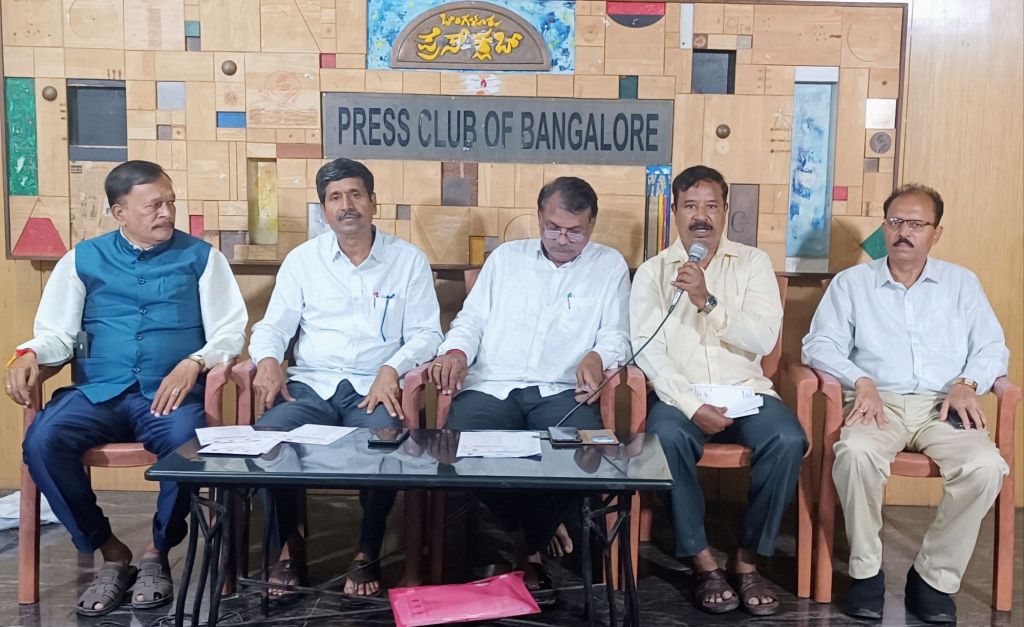
ಸಂಘದ ರಾಜ್ಯಾಧ್ಯಕ್ಷ ಶ್ರೀ ಶೈಲ ಎನ್. ಗಡದಿನ್ನಿ ಅವರು ಈ ಕುರಿತು ಪ್ರೆಸ್ ಕ್ಲಬ್ ಆಫ್ ಬೆಂಗಳೂರಿನಲ್ಲಿ ಸಂಘದ ಮುಖಂಡರ ಸಮ್ಮುಖದಲ್ಲಿ ತಿಳಿಸಿದರು. ಕಾರ್ಯಕ್ರಮ ಯಶಸ್ವಿಗೊಳಿಸಲು ಸಹಕಾರ ನೀಡುವಂತೆ ಮನವಿ ಮಾಡಿದರು.
Bengaluru: In celebration of Diwali Bali Padyami and the auspicious Kartik month, the Sri Raghavendra Swamigal Mata in Jayanagar, 5th Block, Bengaluru, is hosting the Kartik Deepotsava from October 22 to November 20, 2025, every evening at 6:30 PM. The festivities are being conducted under the guidance of R.K. Vadindracharya, senior administrator of the Matha, with the blessings of Paramapujya Sri 1008 Subudhendra Teertha Sripadangalavar.
Devotees participating in the Deepotsava have the opportunity to receive the divine blessings of Sri Raghavendra Swamigal. A special highlight of the celebration is the “Laksha Deepotsava” scheduled for November 5, 2025, where devotees can contribute by lighting lamps and partaking in the ceremonial offerings. Those wishing to participate can contact the Mata via WhatsApp at 9449133929 to register for the lamp-lighting service and receive prasadam.
As part of the Diwali and Kartik celebrations, the Navaratna Kavach decoration was adorned at the Guru Rayar Brindavan. On this occasion, scholar Umarji Prahlad Acharya delivered a spiritual discourse. The inaugural ceremony of the special Deepotsava was conducted by senior administrator R.K. Vadindracharya, who led prayers for the welfare of all.
Devotees actively participated by lighting lamps, making vows, and receiving prasadam, thus earning the grace and blessings of Sri Raghavendra Swamigal.
Karnataka Auto and Cab Drivers Rally Behind ‘Vocal for Local’ Mobility Movement
Bengaluru, October 23, 2025: In a powerful display of unity, more than 10,000 auto and cab driver unions from Bengaluru, Hubballi, and Mangaluru joined hands to promote the “Vocal for Local” initiative in Karnataka’s mobility sector. The campaign aims to encourage the use of local, transparent, and community-driven ride-hailing platforms that ensure fair earnings and driver independence.
During the press meet, drivers narrated their daily struggles within the existing aggregator ecosystem and underscored the growing need for fair and sustainable alternatives. They emphasized that local platforms not only empower drivers to earn decent livelihoods but also enable them to maintain their vehicles, offer better service, and keep fares stable for passengers.
Raghu, Head of Peace Auto, said, “We want drivers to be treated with dignity and earn enough to sustain their families. Local platforms understand our challenges and help us remain independent—unlike large aggregator apps, where our earnings steadily decline over time.”
The unions pointed out that foreign-based ride-hailing companies often attract drivers with lucrative incentives initially, but these benefits diminish over time, leaving drivers with reduced income and limited welfare support. Local platforms, on the other hand, are designed with fairness, transparency, and driver welfare at their core—ensuring long-term benefits and community growth.
Supporting these homegrown apps, they added, not only secures stable livelihoods for thousands of drivers but also helps retain revenue within the local economy, strengthening Karnataka’s mobility ecosystem.
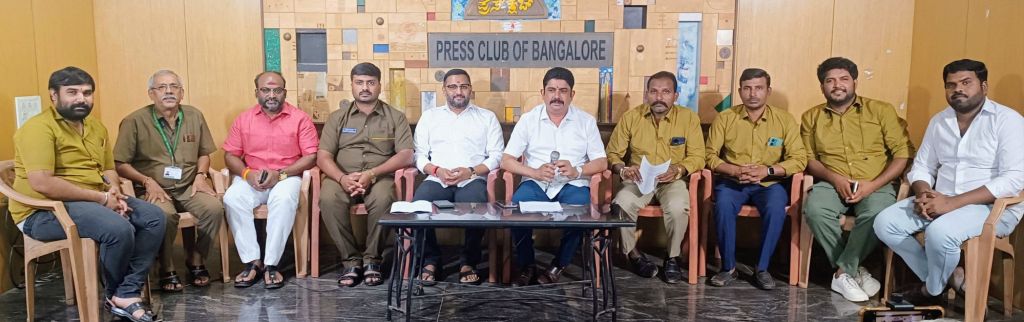
Prominent leaders who addressed the gathering included Raghu from Peace Auto, Manjunath from Adarsh Auto and Taxi Drivers’ Union, and Toni from KA43 Kannada Chalakara Sangha. Representatives from various driver associations across the state were also present.
The press conference also shed light on the success of open mobility initiatives, the need for commission-free and driver-first platforms, and the crucial role of both citizens and the government in fostering an equitable, locally powered transport ecosystem.
The event concluded with a united call to action—urging the public to adopt and promote the “Vocal for Local Mobility” movement, ensuring fair opportunities for drivers and a sustainable future for Karnataka’s mobility landscape.
ಬೆಂಗಳೂರು: ವಕೀಲರ ಸಹಕಾರ ಕ್ಷೇತ್ರದಲ್ಲಿ ಪ್ರಮುಖ ಪಾತ್ರವಹಿಸಿರುವ ನ್ಯಾಯಮಿತ್ರ ಸಹಕಾರಿ ಬ್ಯಾಂಕ್ ನಿಯಮಿತ ತನ್ನ ಬೆಳ್ಳಿ ಮಹೋತ್ಸವ (Silver Jubilee – 2025) ಸಂಭ್ರಮವನ್ನು ಶನಿವಾರ ಆಚರಿಸುತ್ತಿದೆ.
ಕಾರ್ಯಕ್ರಮವು ಬೆಳಗ್ಗೆ 11.30ಕ್ಕೆ ಸಿಟಿ ಸಿವಿಲ್ ಕೋರ್ಟ್ ಸಂಕೀರ್ಣದಲ್ಲಿ ನಡೆಯಲಿದ್ದು, ಭಾರತದ ಸರ್ವೋಚ್ಚ ನ್ಯಾಯಾಲಯದ ನ್ಯಾಯಮೂರ್ತಿ ಗೌರವಾನ್ವಿತ ಶ್ರೀ. ಅರವಿಂದ್ ಕುಮಾರ್ ಅವರು ಮುಖ್ಯ ಅತಿಥಿಯಾಗಿ ಭಾಗವಹಿಸಲಿದ್ದಾರೆ. ಕರ್ನಾಟಕ ಹೈಕೋರ್ಟ್ ಮುಖ್ಯ ನ್ಯಾಯಮೂರ್ತಿ ಶ್ರೀ. ವಿಭು ಬಖ್ರು, ಉಪಮುಖ್ಯಮಂತ್ರಿ ಶ್ರೀ. ಡಿ.ಕೆ. ಶಿವಕುಮಾರ್, ಹಾಗೂ ಕೇಂದ್ರ ರಾಜ್ಯ ಸಚಿವ ಶ್ರೀ. ವಿ. ಸೋಮಣ್ಣ ಉಪಸ್ಥಿತರಿರಲಿದ್ದಾರೆ.
ಸಂಜೆ 4.30ಕ್ಕೆ ಸ್ಮರಣಿಕೆ ಹಾಗೂ ಸ್ಮಾರಕ ಕಾರ್ಯದ ಬಿಡುಗಡೆ ನಡೆಯಲಿದ್ದು, ಅದರಲ್ಲಿ ಭಾರತ ಸರ್ಕಾರದ ಕಾನೂನು ಮತ್ತು ನ್ಯಾಯ ಸಚಿವ ಶ್ರೀ. ಅರ್ಜುನ್ ರಾಮ್ ಮೇಘವಾಲ್ ಹಾಗೂ ಮಾಜಿ ಸುಪ್ರೀಂ ಕೋರ್ಟ್ ನ್ಯಾಯಮೂರ್ತಿ ಮತ್ತು ಪ್ರಸ್ತುತ ಆಂಧ್ರ ಪ್ರದೇಶ ರಾಜ್ಯಪಾಲ ಶ್ರೀ. ಎಸ್. ಅಬ್ದುಲ್ ನಜೀರ್ ಭಾಗವಹಿಸಲಿದ್ದಾರೆ.
ಅಧ್ಯಕ್ಷತೆ ಬ್ಯಾಂಕ್ ಅಧ್ಯಕ್ಷ ಶ್ರೀ. ಎಸ್. ಯತಿರಾಜ್ ವಹಿಸಲಿದ್ದು, ಸಾಯಂಕಾಲ SRGMP ತಂಡದಿಂದ ಗಾನೋತ್ಸವ ಸಾಂಸ್ಕೃತಿಕ ಕಾರ್ಯಕ್ರಮವೂ ನಡೆಯಲಿದೆ.
ವಕೀಲರ ಸಹಕಾರದ ಮಾದರಿಯಾಗಿ ಗುರುತಿಸಿಕೊಂಡಿರುವ ನ್ಯಾಯಮಿತ್ರ ಬ್ಯಾಂಕ್ ಕಳೆದ 25 ವರ್ಷಗಳಲ್ಲಿ ವಿಶ್ವಾಸ ಮತ್ತು ಬೆಳವಣಿಗೆಯ ದಾರಿಯಲ್ಲಿ ಮಹತ್ವದ ಸಾಧನೆ ಸಾಧಿಸಿದೆ.
ನ್ಯಾಯಮಿತ್ರ ಸಹಕಾರಿ ಬ್ಯಾಂಕ್ ಬೆಳ್ಳಿ ಮಹೋತ್ಸವ ಘೋಷಣೆ.
ನ್ಯಾಯಮಿತ್ರ ಸಹಕಾರಿ ಬ್ಯಾಂಕ್ ನಿಯಮಿತದ ಬೆಳ್ಳಿ ಮಹೋತ್ಸವ (Silver Jubilee – 2025) ಕಾರ್ಯಕ್ರಮದ ವಿವರಗಳನ್ನು ಇಂದು ಪ್ರೆಸ್ ಕ್ಲಬ್ ಆಫ್ ಬೆಂಗಳೂರುಯಲ್ಲಿ ನಡೆದ ಪತ್ರಿಕಾ ಗೋಷ್ಠಿಯಲ್ಲಿ ಬ್ಯಾಂಕ್ ಅಧ್ಯಕ್ಷ ಶ್ರೀ. ಎಸ್. ಯತಿರಾಜ್ ಅವರು ಪ್ರಕಟಿಸಿದರು.
ಗೋಷ್ಠಿಯಲ್ಲಿ ಬೆಂಗಳೂರು ವಕೀಲರ ಸಹಕಾರ ಸಂಘದ ಅಧ್ಯಕ್ಷ ಶ್ರೀ. ನಂಜಪ್ಪ ಕಾಳೇಗೌಡ, ಉಪಾಧ್ಯಕ್ಷ ಶ್ರೀ. ಟಿ.ಆರ್. ನಾಗಭೂಷಣ, ನಿರ್ದೇಶಕರು ಶ್ರೀ. ಶ್ರೀನಿವಾಸ್, ಶ್ರೀ. ಸೀನಪ್ಪ, ಶ್ರೀ. ರೇಣುಕಾರಾಧ್ಯ, ಶ್ರೀಮತಿ ಗೀತಾರಾಜ್ ಮತ್ತು ಶ್ರೀಮತಿ ಮಮತಾ ಉಪಸ್ಥಿತರಿದ್ದರು.
ಯತಿರಾಜ್ ಅವರು ಮಾತನಾಡಿ, ಬ್ಯಾಂಕ್ ಕಳೆದ 25 ವರ್ಷಗಳಿಂದ ವಕೀಲ ಸಮುದಾಯದ ವಿಶ್ವಾಸಾರ್ಹ ಆರ್ಥಿಕ ಸಹಯೋಗಿಯಾಗಿ ಕಾರ್ಯನಿರ್ವಹಿಸುತ್ತಿದ್ದು, ಬೆಳ್ಳಿ ಮಹೋತ್ಸವದ ಅಂಗವಾಗಿ ಅಕ್ಟೋಬರ್ 25 ರಂದು ಸಿಟಿ ಸಿವಿಲ್ ಕೋರ್ಟ್ ಸಂಕೀರ್ಣದಲ್ಲಿ ವಿವಿಧ ಕಾರ್ಯಕ್ರಮಗಳು ನಡೆಯಲಿವೆ ಎಂದು ತಿಳಿಸಿದರು.
Expert Insight by Ms. Veena V, Chief Clinical Dietician & HOD, Department of Clinical Nutrition and Dietetics, Aster Whitefield Hospital, Bengaluru
Bengaluru, October 2025: The trend of starting the day with warm lemon water has taken social media by storm, with countless influencers and celebrities touting it as the ultimate morning ritual for detoxification, glowing skin, and weight loss. However, nutrition experts say that while this simple routine can offer some mild benefits, it is far from the miracle solution it is often made out to be.
Speaking to The Health Desk, Ms. Veena V, Chief Clinical Dietician and Head of the Department of Clinical Nutrition and Dietetics at Aster Whitefield Hospital, explains the real science behind this popular wellness practice — and what to watch out for if you decide to try it.
Why the Practice Became Popular
“After several hours of sleep, the body is slightly dehydrated. Consuming warm fluids in the morning helps rehydrate the system and stimulate digestion,” says Ms. Veena. “Adding lemon to the water gives a gentle dose of vitamin C, which supports immunity and skin health. The citric acid also helps stimulate digestive secretions and gut motility, which can make some people feel lighter and more active at the start of the day.”
Benefits Observed by Many
According to Ms. Veena, those who consistently drink warm lemon water for around 15 days may notice subtle benefits — primarily due to hydration. “Improved hydration itself can support better digestion, enhanced energy, and a clearer complexion. The mild acidity of lemon can also aid in the production of digestive enzymes,” she notes.
Regular morning hydration can help reduce cravings for sugary beverages, leading to healthier dietary patterns. The vitamin C in lemon also contributes to collagen synthesis, which promotes skin repair and radiance.
“An often-overlooked benefit,” adds Ms. Veena, “is kidney health. The citric acid in lemon increases urinary citrate levels, which may help lower the risk of kidney stone formation when coupled with adequate hydration.”
The Hidden Downsides
While lemon water is generally safe, Ms. Veena cautions that it is not entirely risk-free. “The acidity of lemon can gradually erode tooth enamel if consumed in excess or undiluted,” she explains. “Individuals with acid reflux, gastritis, or ulcers should be particularly cautious, as the acidity can aggravate symptoms.”
She also advises against taking medications immediately after drinking lemon water, as it may interfere with absorption. “Moderation and correct preparation are key to avoiding unwanted side effects,” she emphasizes.
What Science Actually Shows
Scientific evidence supporting lemon water’s dramatic health claims is limited. “Many of the touted benefits are actually related to hydration rather than the lemon itself,” says Ms. Veena.
While animal studies have suggested that lemon polyphenols may aid metabolism, these findings are not yet confirmed in humans. “And the popular claim that lemon water detoxifies the body is a misconception,” she adds. “Our liver and kidneys are fully capable of detoxification without any external assistance.”
Expert Tips for Safe Consumption
Ms. Veena recommends a few simple precautions for those who wish to continue the habit safely:
Use the juice of half a lemon in a glass of warm water.
Drink through a straw to minimize contact with teeth.
Rinse the mouth with plain water afterward.
Wait 20–30 minutes before brushing teeth.
Avoid if you have acid reflux or stomach ulcers.
The Verdict
“Drinking warm lemon water on an empty stomach for 15 days will not transform your health overnight,” says Ms. Veena. “However, it can be a refreshing, hydrating start to your day, providing mild digestive and skin-related benefits when done properly.”
She concludes, “It is important to remember that no single habit can replace balanced nutrition, regular exercise, and adequate rest. Wellness should always be holistic — not driven by trends.”







You must be logged in to post a comment.