Jindal Global Law School Launches India’s First BA Programme in Artificial Intelligence & Law

Bangalore, 20 January 2025: Jindal Global Law School (JGLS), O.P. Jindal Global University (JGU), a leading institution in interdisciplinary education, made history by launching India’s first-ever Bachelor of Arts (B.A.) programme in Artificial Intelligence (AI) and Law.


The B.A. programme in AI & Law is a pioneering programme designed to bridge the gap between technology and the legal profession. The course will equip students with a deep understanding of AI technologies alongside core legal principles. Graduates will be prepared for careers in technology law, AI policy-making, compliance, and ethical governance.


The new programme launch reaffirms JGU’s commitment to academic innovation and societal impact. By introducing this unique B.A. programme, the university has positioned itself as a pioneer in preparing legal professionals to address the challenges and opportunities presented by the AI revolution.


Announcing the launch of the path-breaking course, the founding Vice Chancellor of O.P Jindal Global University Prof (Dr.) C. Raj Kumar said, “The launch of our programme aims to explore the profound intersections between AI and robotics. There are five major implications of AI on the legal domain at a global level:

Promoting Enhanced Legal Analytics: AI-driven tools, such as predictive analytics, are transforming the legal profession. For example, tools like Lex Machina in the United States predict case outcomes based on historical data, significantly influencing global law firms and legal tech advancements. These innovations highlight the need to promote the administration of justice through advanced legal analytics.

Addressing Bias and Discrimination in AI: A critical concern globally, and particularly in India, is bias in AI systems. Tackling these biases is essential to ensure equitable outcomes in legal processes.

AI in Cross-Border Disputes: AI-driven dispute resolution platforms are being used for arbitration, streamlining cross-border trade disputes. However, this raises concerns about sovereignty, uniform standards, and the implications of AI in international legal frameworks—issues that are increasingly relevant for India.

Cybersecurity and Privacy Challenges: AI-driven breaches of data security, such as the infamous Pegasus spyware case, have exposed vulnerabilities in legal frameworks for data protection. These challenges demand a robust response to ensure privacy and safeguard civil liberties in an AI-driven world.


Automated Law Enforcement: The use of AI in surveillance raises significant concerns about privacy, civil liberties, and human rights violations. It is crucial to address these issues to prevent misuse and maintain trust in legal systems.”


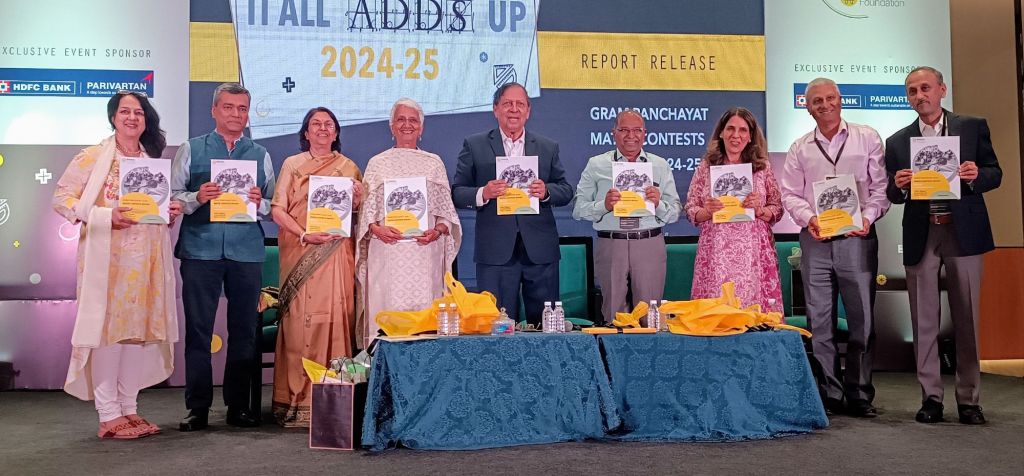
The announcement was made during a seminar on “Artificial Intelligence and Law,”. The Chief Guest was the Union Law Minister for Law and Justice Shri Arjun Ram Meghwal. The event also witnessed the esteemed participation of JGU’s founding Chancellor & Member of Parliament Mr. Naveen Jindal along with renowned legal scholars, jurists, policymakers, and industry leaders to discuss the intersection of AI and law—a rapidly evolving field with far-reaching implications.


During the launch, complimenting O.P. Jindal Global University for its foresight and wishing it success with the programme, Shri Arjun Ram Meghwal, Hon’ble Minister of State for Law and Justice said, “We are living in the 21st century, and regressing is not an option. We must embrace the present and focus on how to use technology effectively while addressing its challenges. The human element will always remain essential, and if we advance alongside it, technology can assist in many areas, such as resolving pending court cases and facilitating translations.” He also addressed concerns surrounding the use of AI, including ethical issues and the need for data and privacy protection. The minister encouraged the public and the audience to share their suggestions and perspectives on these matters.


Dr Raj Kumar also spoke about ethical concerns as AI systems often inherit biases and prejudices that can lead to unjust outcomes in sentencing and dispute resolution. “AI can improve access to justice through innovations like online dispute resolution. However, over-reliance on such technology’s risks excluding those without digital literacy or access, particularly in rural areas. The digital divide must be addressed to avoid exacerbating inequities. AI systems used for surveillance and enforcement, such as predictive policing, pose risks to civil liberties and public trust in institutions. Striking a balance between innovation and accountability is crucial. The complexities of regulating AI necessitate clear and enforceable policies that ensure compliance while fostering innovation. Legal frameworks must evolve to address these challenges effectively. Nations that fail to integrate AI into their legal systems risk falling behind in areas like arbitration, trade law, and technological development. Meaningful engagement and nuanced conversations on AI’s legal implications are essential to remain competitive. The launch of not just India’s but Asia’s first undergraduate program in AI and law at the Jindal Global Law School, aims to create opportunities for teaching, research, capacity building, and training on the intersection of AI and legal studies. He further stated that the course is aimed to position India as a leader in this critical field by taking such actions”, he added.


Hon’ble Mr. Justice Dipankar Dutta, Judge, Supreme Court of India observed that the “Floodgates of thoughts and opinions that have been expressed about the impact of AI on the legal profession make it difficult to predict the change it will ultimately bring to legal services. Such uncertainty is not new, this is often the case with new technologies especially when they are revolutionary and have the potential for real and substantial change. While there are differing thoughts on where the AI bandwagon will take us, it is undeniable that it can change academia, the practice of law and the delivery of justice.”


According to Mr. Venkataramani, Attorney General for India, “The issue would be how the traditional relationship between law and technology must evolve to accommodate the fundamental shift in the nature of technology, one that has already begun. The shift will transform how we use technology, more precisely it will change our relationship with technology, from using technology to interacting with technology.”


Echoing the larger sentiment, Mr. Tushar Mehta, Solicitor General of India stated, “Artificial Intelligence (AI) has become a global phenomenon, a topic of significant discussion and legislative focus, with around 33 laws passed worldwide in 2022 alone, excluding India. While AI’s advancements are remarkable, it is essential to acknowledge its limitations, particularly in areas like legal adjudication where human judgment plays a pivotal role. Legal decision-making is far from being a mechanical or purely algorithmic process; it requires the nuanced understanding, empathy, and discretion of a human judge. Algorithms, no matter how advanced, lack the ability to factor in the human considerations that often guide judicial interventions to deliver justice. For instance, there are cases where legal technicalities might deem a matter non-maintainable, yet judges, driven by their sense of fairness or compassion, may choose to intervene, potentially altering outcomes in ways that algorithms cannot replicate. Such human elements are critical not only for the litigants but also for society at large, which often places its faith in the judiciary to uphold justice beyond rigid procedural confines. This underscores the irreplaceable value of human insight in the legal system amidst the rise of AI.”


Dr. Abhishek Manu Singhvi, Senior Advocate, Supreme Court of India stated, “The integration of AI in law raises questions about the future of legal professionals. Obviously, AI cannot and even should not attempt to replace lawyers. While AI can automate routine tasks, it cannot replicate the nuanced judgment or ethical considerations that human lawyers and judges bring to the table. AI must remain an efficient and obedient servant and never be allowed to become the master. It should always be viewed as a tool that can augment human capabilities allowing legal professionals to focus on more complex and strategic aspects of their work. While AI presents significant challenges to the legal field these challenges are not insurmountable and they must be met, for us to absorb, integrate and introduce AI into our system by fostering transparency, addressing bias, implementing robust regulations. By viewing AI as a complementary tool rather than a replacement, we can harness the humungous potential of AI to advance justice.”


Elaborating on the vision of the newly launched programme Professor (Dr.) S.G. Sreejith, Executive Dean, Jindal Global Law School shared his insight, “Through this the student would get to comprehend the changes and patterns of change that happens in our society. The shape that the future will take and will be able to develop ideas which will shape their future which will be their reality.”

City Today News 9341997936


Bharti Airtel and Bajaj Finance enter into a strategic partnership to createone of India’s Largest Digital Platforms for Financial Services

One-of-a-kind partnership to transform last mile delivery of financial services,
fostering digital inclusion

Airtel to progressively offer most of Bajaj Finance’s retail financial offerings to all its
370 million customers

Partnership combines Airtel’s powerful digital platforms and omni channel capabilities with Bajaj Finance’s diversified suite of 27 product lines,
AI-driven strategy and strong underwriting strengths

Bangalore , January 20, 2025: Bharti Airtel, one of India’s largest telecom services providers and Bajaj Finance, the country’s largest private-sector Non-Banking Financial Company (NBFC), today announced a strategic partnership to create one of India’s largest digital platforms for financial services and transform last mile delivery.
The one-of-a-kind partnership brings together Airtel’s highly engaged customer base of 370 million, 12 lakh+ strong distribution network, and Bajaj Finance’s diversified suite of 27 product lines, and distribution heft of 5,000+ branches and 70,000 field agents.
Airtel will initially offer Bajaj Finance’s retail financial products on its Airtel Thanks App for seamless and secure customer experience, and later through its nation-wide network of stores. The combined strength of the companies’ digital assets will enable Airtel and Bajaj Finance to significantly deepen penetration of financial products and services.

Gopal Vittal, Vice Chairman and MD, Bharti Airtel, said, “Airtel and Bajaj Finance, two trusted names in this country, have the shared vision of empowering millions of Indians with a diverse portfolio of financial needs. The combined reach, scale and distribution strength of the two companies will serve as the cornerstone of this partnership and help us succeed in the marketplace. We are building Airtel Finance as a strategic asset for the group and will continue to invest in and grow the business. Today. we are trusted by over 1 million customers and our vision is to make Airtel Finance a one-stop shop for all the financial needs of our customers.”

Rajeev Jain, Managing Director, Bajaj Finance, said, “India’s digital ecosystem has been at the heart of data-driven credit underwriting and financial inclusion. Our partnership with Airtel not only leverages India’s digital infrastructure for inclusive growth but also brings together the expertise and reach of two of India’s leading and most-trusted brands. Together with Airtel, we seek to be the financier of choice to India and enable millions to access financial services, even in remote areas. We are excited to join hands with Airtel at a time when Bajaj Finance is harnessing the power of AI to enhance efficiencies and elevate customer experiences.”

So far, two products of Bajaj Finance have been piloted on the Airtel Thanks App. By March, four products of Bajaj Finance will be available to customers on the Airtel Thanks App. These include Gold Loan, Business Loan, a co-branded Insta EMI Card and Personal Loan. Airtel will progressively offer close to 10 financial products of Bajaj Finance within this calendar year.
Airtel customers have the opportunity to apply for the Airtel-Bajaj Finserv Insta EMI card via the Airtel Thanks App and later through its nation-wide network of stores. Airtel-Bajaj Finserv EMI card provides access to a range of offers available to Bajaj Finance customers. Users will benefit from flexible EMI options and payment plans for purchasing various goods, including electronics, furniture and groceries at over 1.5 lakh partner stores across more than 4,000 cities. Additionally, the co-branded card is applicable for e-commerce transactions on multiple platforms.
The Airtel Thanks App now also enables customers to secure a gold loan, enabling new-to-credit customers to access finance and integrate with the formal financial system.
As part of the partnership, both the companies are committed to strong regulatory compliance, data privacy and security, and seamless customer service.

City Today News 9341997936

ಮಡಿವಾಳ ಸಮಾಜದ ಬೇಡಿಕೆಗಳು: ಸರ್ಕಾರದ ಗಮನ ಸೆಳೆಯಲು ಒಕ್ಕೂಟದ ಒತ್ತಾಯ

ಬೆಂಗಳೂರು, ಜನವರಿ 20: ಕರ್ನಾಟಕ ರಾಜ್ಯ ಮಡಿವಾಳರ ಸಂಘಟನೆಗಳ ಒಕ್ಕೂಟ (ರಿ) ವತಿಯಿಂದ ಪ್ರೆಸ್ ಕ್ಲಬ್ ಆಫ್ ಬೆಂಗಳೂರಿನಲ್ಲಿ ಇಂದು ಪತ್ರಿಕಾ ಗೋಷ್ಠಿ ನಡೆಯಿತು. ಗೋಷ್ಠಿಯಲ್ಲಿ ಮಡಿವಾಳ ಸಮಾಜದ ಪ್ರಮುಖ ಬೇಡಿಕೆಗಳನ್ನು ಸರ್ಕಾರದ ಮುಂದಿಟ್ಟು, ಶೀಘ್ರದಲ್ಲಿ ಸೂಕ್ತ ಕ್ರಮ ಕೈಗೊಳ್ಳುವಂತೆ ಒತ್ತಾಯಿಸಲಾಯಿತು.

ಸಮಾಜದ ಮುಖ್ಯ ಬೇಡಿಕೆಗಳು:

1. ಪರಿಶಿಷ್ಟ ಜಾತಿ ಸ್ಥಾನಮಾನ:
ಮಡಿವಾಳ ಸಮಾಜವನ್ನು ಪರಿಶಿಷ್ಟ ಜಾತಿ ಪಟ್ಟಿಗೆ ಸೇರಿಸಲು ಪ್ರೊಫೆಸರ್ ಅನ್ನಪೂರ್ಣಮ್ಮ ಅವರ ನೇತೃತ್ವದ ಅಯೋಗ ನೀಡಿರುವ ಶಿಫಾರಸುಗಳನ್ನು ಕೇಂದ್ರ ಸರ್ಕಾರಕ್ಕೆ ಕಳುಹಿಸಲು ರಾಜ್ಯ ಸರ್ಕಾರ ಕ್ರಮ ಕೈಗೊಳ್ಳಬೇಕು.


2. ಮಾಚಿದೇವ ನಿಗಮ ಮಂಡಳಿ:
ಮಾಚಿದೇವ ನಿಗಮ ಮಂಡಳಿಗೆ ಅಧ್ಯಕ್ಷರು ಮತ್ತು ಸದಸ್ಯರನ್ನು ಶೀಘ್ರದಲ್ಲಿ ನೇಮಿಸಬೇಕೆಂದು ಒತ್ತಾಯಿಸಲಾಗಿದೆ.


3. ಜನಗಣತಿ ದೋಷ ಪರಿಹಾರ:
ಮಡಿವಾಳ ಸಮಾಜವನ್ನು ಸರಿಯಾಗಿ ಗುರುತಿಸಲಾಗದೆ ಇದೆ ಎಂಬ ಆರೋಪವನ್ನು ಒಕ್ಕೂಟ ಹೊರ ಹಾಕಿದೆ. ತಮ್ಮ ಸ್ವಂತ ಸರ್ವೇ ಪ್ರಕಾರ, ರಾಜ್ಯದಲ್ಲಿ 17 ಲಕ್ಷಕ್ಕಿಂತ ಹೆಚ್ಚು ಮಡಿವಾಳ ಸಮುದಾಯದ ಜನರಿದ್ದಾರೆ. ಆದುದರಿಂದ, ಸಮಾಜದ ಜನಗಣತಿಯನ್ನು ಪುನರಾವೃತ್ತಿ ಮಾಡಬೇಕೆಂದು ಒತ್ತಿಹೇಳಲಾಗಿದೆ.


4. ಮಾಚಿದೇವ ಜಯಂತಿ ಆಚರಣೆ:
ಮಾಚಿದೇವ ಜಯಂತಿಯನ್ನು ಗ್ರಾಮ ಪಂಚಾಯತ್, ಪಟ್ಟಣ ಪಂಚಾಯತ್, ಪುರಸಭೆ, ತಾಲೂಕು ಪಂಚಾಯತ್, ಜಿಲ್ಲಾ ಪಂಚಾಯತ್, ಮತ್ತು ಕಂದಾಯ ಇಲಾಖೆಯ ಎಲ್ಲ ಕಚೇರಿಗಳಲ್ಲಿ ಅಧಿಕೃತವಾಗಿ ಆಚರಿಸಲು ಸರ್ಕಾರ ಆದೇಶ ನೀಡಬೇಕು.


ಸಂಸ್ಥಾಪಕ ಮತ್ತು ರಾಜ್ಯಾಧ್ಯಕ್ಷ ಡಾ. ಕಟೀಲು ಸಂಜೀವ ಮಡಿವಾಳ ಅವರೊಂದಿಗೆ, ಕಾರ್ಯಾಧ್ಯಕ್ಷ ಅಶೋಕ್ ಹರಪನಹಳ್ಳಿ, ಕೋಶಾಧಿಕಾರಿ ರಂಗಸ್ವಾಮಿ ಅರಸಿಕೆರೆ, ಪ್ರಧಾನ ಕಾರ್ಯದರ್ಶಿ ಕೇಶವ ಪ್ರಸಾದ್, ಕಾರ್ಯದರ್ಶಿ H.D ಪಾಲಾಕ್ಷ ತಾತಗುಣಿ, ಮತ್ತು ಸಂಘಟನಾ ಕಾರ್ಯದರ್ಶಿ ಗಂಗಯ್ಯ ಮಡಿವಾಳ ಗೋಷ್ಠಿಯಲ್ಲಿ ಉಪಸ್ಥಿತರಿದ್ದರು.

ಸಮಾಜದ ಅಭಿವೃದ್ಧಿಗೆ ಒಕ್ಕೂಟದ ಕಾಳಜಿ:
ಡಾ. ಕಟೀಲು ಸಂಜೀವ ಮಡಿವಾಳ ಅವರು, “ಮಡಿವಾಳ ಸಮಾಜದ ಹಕ್ಕುಗಳಿಗಾಗಿ ಸರ್ಕಾರ ತಕ್ಷಣವೇ ಕ್ರಮ ಕೈಗೊಳ್ಳಬೇಕು. ಬೇಡಿಕೆಗಳನ್ನು ನಿರ್ಲಕ್ಷಿಸಿದಲ್ಲಿ ಹೋರಾಟವನ್ನು ತೀವ್ರಗೊಳಿಸಲಾಗುವುದು,” ಎಂದು ಎಚ್ಚರಿಕೆ ನೀಡಿದರು.

ಸಮಾಜದ ಅಭಿವೃದ್ಧಿ ಮತ್ತು ಹಕ್ಕುಗಳ ಸುಧಾರಣೆಗಾಗಿ ಸರ್ಕಾರವೇ ಮುಂದಾಗಬೇಕೆಂಬ ಒಕ್ಕೂಟದ ಈ ಹೋರಾಟವು ಜನಮನ ಸೆಳೆಯುತ್ತಿದೆ.

City Today News 9341997936

ಡಿಜಿಟಲ್ ಮಣ್ಣಿನ ನಕ್ಷೆ: ಕೃಷಿ ಮತ್ತು ಪರಿಸರ ಸುಸ್ಥಿರತೆಗೆ ಹೊಸ ಯುಗಜನವರಿ 21-24, ಬೆಂಗಳೂರು

ಬೆಂಗಳೂರು: 2025ರ ಜನವರಿ 21ರಿಂದ 24ರವರೆಗೆ ಬೆಂಗಳೂರಿನಲ್ಲಿ ಡಿಜಿಟಲ್ ಮಣ್ಣಿನ ನಕ್ಷೆ (DSM) ಕುರಿತು ಅಂತರರಾಷ್ಟ್ರೀಯ ಕಾರ್ಯಾಗಾರ ನಡೆಯಲಿದೆ. ಈ ಮಹತ್ವದ ಕಾರ್ಯಕ್ರಮವು ಜಾಗತಿಕ ತಜ್ಞರು, ಸಂಶೋಧಕರು, ನೀತಿ ನಿರೂಪಕರು, ರೈತರು ಹಾಗೂ ಉದ್ಯಮಗಳನ್ನು ಒಟ್ಟುಗೂಡಿಸುವ ಮೂಲಕ ಜ್ಞಾನ ವಿನಿಮಯಕ್ಕೆ ವೇದಿಕೆಯಾಗಲಿದೆ.

ಸಮ್ಮೇಳನದ ಮುಖ್ಯ ಉದ್ದೇಶಗಳು:
DSM ತಂತ್ರಜ್ಞಾನವು ಕೃಷಿ, ಪರಿಸರ ಸುಸ್ಥಿರತೆ ಮತ್ತು ಭೂ ಬಳಕೆಯ ಯೋಜನೆಗೆ ಕ್ರಾಂತಿಕಾರಿಯಾಗಿ ಎದ್ದು ಬರುತ್ತಿದೆ. ಉಪಗ್ರಹ ಚಿತ್ರಣ, ಯಂತ್ರ ಕಲಿಕೆ, ಮತ್ತು ಪ್ರಯೋಗಾಲಯದ ದತ್ತಾಂಶದ ನೆರವಿನಿಂದ ಮಣ್ಣಿನ ನಿಖರ ನಕ್ಷೆಗಳನ್ನು ಸಿದ್ಧಪಡಿಸುವ ಈ ತಂತ್ರಜ್ಞಾನವು, ಮಣ್ಣಿನ ಗುಣಲಕ್ಷಣಗಳ ಮೇಲೆ ಆಧಾರಿತ ನಿರ್ಧಾರಗಳನ್ನು ಸುಲಭಗೊಳಿಸುತ್ತದೆ.

ರೈತರಿಗೆ DSM ತಂತ್ರಜ್ಞಾನದಿಂದ ಲಾಭ:

ಮಣ್ಣಿನ ಗುಣಲಕ್ಷಣಗಳ ನಿರ್ಧಾರ: ಪೋಷಕಾಂಶಗಳು, ರಸಸಾರ ಮತ್ತು ಮಣ್ಣಿನ ವಿನ್ಯಾಸ ತಿಳಿಯಲು ಸಹಾಯ.

ರಸಗೊಬ್ಬರ ಬಳಕೆಯ ಶ್ರೇಯಸ: ಸರಿಯಾದ ಪ್ರಮಾಣದ ರಸಗೊಬ್ಬರ ಬಳಸಿ ವೆಚ್ಚ ತಗ್ಗಿಸುವಿಕೆ ಮತ್ತು ಪರಿಸರ ಹಾನಿ ತಪ್ಪಿಸುವಿಕೆ .

ಬೆಳೆ ಆಯ್ಕೆ ಸುಧಾರಣೆ: ಮಣ್ಣಿನ ಪರಿಸರಕ್ಕೆ ಹೊಂದುವ ಬೆಳೆಗಳನ್ನು ಆರಿಸಲು ಮಾರ್ಗದರ್ಶನ.

ನೀರು ಸಂರಕ್ಷಣೆ: ಸಮರ್ಥ ನೀರಾವರಿ ಪದ್ಧತಿಗಳನ್ನು ಅಳವಡಿಸಲು ಸಹಾಯ.

ಮಣ್ಣಿನ ಅವನತಿ ತಡೆ: ದೀರ್ಘಕಾಲೀನ ಮಣ್ಣಿನ ಆರೋಗ್ಯವನ್ನು ಕಾಯ್ದುಕೊಳ್ಳುವ ಕ್ರಮ.


ಇತರ ಕ್ಷೇತ್ರಗಳಿಗೆ ಪರಿಣಾಮ:

ನೀತಿ ನಿರೂಪಕರು: ಸುಧಾರಿತ ಭೂ ನಿರ್ವಹಣೆ ನೀತಿಗಳ ರಚನೆಗೆ ದತ್ತಾಂಶ ಆಧಾರಿತ ಮಾರ್ಗ.

ಕೃಷಿ ಉದ್ಯಮಗಳು: ನಿಖರ ಕೃಷಿ ಪರಿಹಾರಗಳ ಅಭಿವೃದ್ಧಿ.

ಪರಿಸರ ತಜ್ಞರು: ಕಾರ್ಬನ್ ಸೀಕ್ವೆಸ್ಟೇಶನ್ ಮತ್ತು ಭೂಸಂರಕ್ಷಣೆ.


ಕಾರ್ಯಾಗಾರದ ಹೈಲೈಟ್ಸ್:

ಪ್ರಮುಖ ಭಾಷಣಗಳು ಮತ್ತು ತಾಂತ್ರಿಕ ಚರ್ಚೆಗಳು.

ಸಂವಾದಾತ್ಮಕ ಕಾರ್ಯಾಗಾರಗಳು ಮತ್ತು ತರಬೇತಿಗಳು.

ಭಾರತೀಯ ಮತ್ತು ಜಾಗತಿಕ ವಿದ್ಯಮಾನಗಳ ಅಧ್ಯಯನ.


ಭಾರತದ ಕೃಷಿಗೆ ಪ್ರಭಾವ:
DSM ತಂತ್ರಜ್ಞಾನವು ಮಣ್ಣಿನ ಫಲವತ್ತತೆಯ ಸುಧಾರಣೆ, ನಿಖರ ಕೃಷಿ, ಮತ್ತು ಹಾನಿಗೊಳಗಾದ ಭೂಮಿಯ ಮರುಸ್ಥಾಪನೆಗೆ ಸಹಕಾರಿಯಾಗುತ್ತದೆ.

ನಿಮ್ಮ ಆಹ್ವಾನ:
ಇದು ಕೇವಲ ಸಮಾರಂಭವಷ್ಟೇ ಅಲ್ಲ, ಸುಸ್ಥಿರ ಕೃಷಿಯ ದೃಷ್ಟಿಕೋನದಿಂದ ಮಹತ್ವದ ಹೆಜ್ಜೆ. ರೈತರು, ತಜ್ಞರು, ಮತ್ತು ನೀತಿ ನಿರೂಪಕರಿಗೆ ಈ ಕ್ರಾಂತಿಕಾರಿ ವೇದಿಕೆಯಲ್ಲಿ ಭಾಗವಹಿಸಲು ಆಹ್ವಾನಿಸುತ್ತೇವೆ. ಜನವರಿ 21-24, ಬೆಂಗಳೂರು, ನಮ್ಮೊಂದಿಗೆ ಸೇರಿ, ಸುಸ್ಥಿರ ಕೃಷಿಯ ಭವಿಷ್ಯವನ್ನು ರೂಪಿಸಲು ಸಹಕರಿಸಿರಿ ಎಂದು ಪ್ರೆಸ್ ಕ್ಲಬ್ ಆಫ್ ಬೆಂಗಳೂರ್ ನಲ್ಲಿ  ನಡೆದ ಪತ್ರಿಕಾ ಗೋಷ್ಠಿಯಲ್ಲಿ ತಿಳಿಸಲಾಯಿತು.

City Today News 9341997936.

COLOCON-2025 ಭಾರತದಲ್ಲಿ ಕೊಲೊನ್ ಕ್ಯಾನ್ಸರ್ ಕೇರ್ ಅನ್ನು ಮುನ್ನಡೆಸುತ್ತದೆ

ಬೆಂಗಳೂರು, ಜನವರಿ 2025: COLOCON-2025, ಪ್ರವರ್ತಕ CME ಕಾರ್ಯಕ್ರಮವು ಬೆಂಗಳೂರಿನ ಗ್ರೀನ್ ಪಾರ್ಕ್ ಹೋಟೆಲ್‌ನಲ್ಲಿ 200 ಶಸ್ತ್ರಚಿಕಿತ್ಸಕರು ಮತ್ತು ಸ್ನಾತಕೋತ್ತರ ವಿದ್ಯಾರ್ಥಿಗಳು ಭಾಗವಹಿಸುವುದರೊಂದಿಗೆ ಯಶಸ್ವಿಯಾಗಿ ಮುಕ್ತಾಯಗೊಂಡಿತು.  ಡಾ. ಸಂದೀಪ್ ನಾಯಕ್ ಮತ್ತು ತಂಡದ ನೇತೃತ್ವದಲ್ಲಿ, ಈವೆಂಟ್ ಕೊಲೊನ್ ಕ್ಯಾನ್ಸರ್ ಆರೈಕೆಯನ್ನು ಹೆಚ್ಚಿಸಲು ಲ್ಯಾಪರೊಸ್ಕೋಪಿಕ್ ಮತ್ತು ರೊಬೊಟಿಕ್ ಶಸ್ತ್ರಚಿಕಿತ್ಸೆಯಂತಹ ಕನಿಷ್ಠ ಆಕ್ರಮಣಶೀಲ ತಂತ್ರಗಳ ಮೇಲೆ ಕೇಂದ್ರೀಕರಿಸಿತು.

IASO, ಬೆಂಗಳೂರು ಆಂಕೊಲಾಜಿ ಗ್ರೂಪ್, ಸಮ್ರೋಹನಾ ಕ್ಯಾನ್ಸರ್ ಫೌಂಡೇಶನ್ ಮತ್ತು ಫೋರ್ಟಿಸ್ ಆಸ್ಪತ್ರೆಯ ಸಹಯೋಗದೊಂದಿಗೆ, ಕಾರ್ಯಕ್ರಮವು ಪರಿಣಿತ ಸೆಷನ್‌ಗಳು ಮತ್ತು ಪ್ರಾಯೋಗಿಕ ಕಾರ್ಯಾಗಾರಗಳನ್ನು ಒಳಗೊಂಡಿತ್ತು, ಜಾಗತಿಕ ಉತ್ತಮ ಅಭ್ಯಾಸಗಳನ್ನು ಅಳವಡಿಸಿಕೊಳ್ಳಲು ಶಸ್ತ್ರಚಿಕಿತ್ಸಕರಿಗೆ ಅಧಿಕಾರ ನೀಡಿತು.  ಭಾರತದಲ್ಲಿ ಕ್ಯಾನ್ಸರ್ ಆರೈಕೆಯನ್ನು ಪರಿವರ್ತಿಸುವ ನಿಟ್ಟಿನಲ್ಲಿ ಇದೊಂದು ಪ್ರಮುಖ ಹೆಜ್ಜೆ ಎಂದು ಡಾ.ನಾಯಕ್ ಕರೆದರು.

City Today News 9341997936