BENGALURU / January 18, 2023: People with myopia have two to three times higher risk of developing glaucoma compared to those with normal eyesight, doctors of Dr. Agarwals Eye Hospital have said during the ongoing Glaucoma Awareness Month. Myopia, the leading cause of refractive error, affects about 10-20 percent of the Indian population. Glaucoma, on the other hand, is the third leading cause of blindness in India. Said Dr. Ram S Mirlay, Regional Head – Clinical Services, Dr. Agarwals Hospital, Bengaluru: “There is a two-three-fold increased risk of Glaucoma in people having moderate to high myopia.
The risk is independent of the fluid pressure of the eye. About 30% of Primary Open-Angle Glaucoma (POAG) patients have myopia. The probability of someone with myopia going on to develop Glaucoma depends on age, family history and the level of myopia, whether mild or severe. He added: “Thin corneas, high myopia or family history are risk factors for developing Glaucoma. Over the years, individuals having both myopia and glaucoma would experience negative changes in their vision. Regular eye checkups are crucial in these cases to check for progression of the disease and follow a proper treatment plan.” Said Dr. P Sunitha, Consultant – Ophthalmologist at Dr Agarwals Eye Hospital, “Considering the linkage between myopia and Glaucoma, it is important to take several preventive steps. Myopia can be controlled in children by limiting their near-work activities like reading, computer use, playing video games, and watching TV from close distance, all of which impose a high visual demand on their eyes. They should be encouraged to spend more time in outdoor activities. It is also important to wear proper corrective lenses. People with myopia should get their eyes checked up twice a year. Lack of awareness, limited access to diagnostic equipment and poor compliance for regular eye checkups are some of the diagnostic challenges in identifying glaucoma and myopia in early stages.” Said Dr. Ram S Mirlay: “Two eye-screening studies done in 2012 at a school in Kolar between the age of 6-16 years found an 11.5% prevalence of myopia. In 2016, a study at Udupi found a myopia prevalence of 4%. India is the second most populated country in the world with around 41% of population above 18 years of age. The incidence of myopia would be significant.” “Glaucoma is a chronic, progressive eye disease caused by damage to the optic nerve, which gradually leads to loss of eyesight. Peripheral vision is affected first. One of the major risk factors is high eye pressure. There are no warning signs till significant damage has already been done. Treatment mainly revolves around lowering the Intraocular pressure (the fluid pressure of the eye) through medication or laser surgery. About 12 million people, aged 40 years and older, suffer from glaucoma in India” says Dr. Archana S, Regional Head – Clinical Services, Dr Agarwals Eye Hospital.
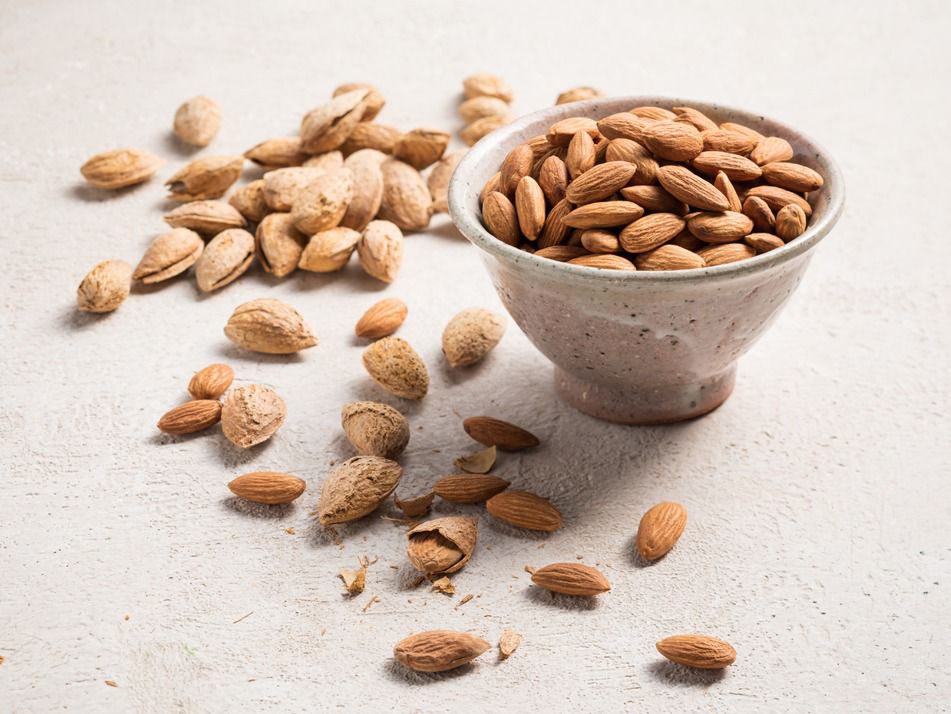
ಬೆಂಗಳೂರು, ಜನವರಿ 2024: ಕ್ಯಾಲಿಫೋರ್ನಿಯಾದ ಆಲ್ಮಂಡ್ ಬೋರ್ಡ್ ಬೆಂಗಳೂರಿನಲ್ಲಿ ‘ಆಯುರ್ವೇದ ಸೌಂದರ್ಯ ಆಚರಣೆಗಳು: ಹೊಳೆಯುವ ಚರ್ಮ ಮತ್ತು ಆರೋಗ್ಯಕರ ಕೂದಲಿಗೆ ಬಾದಾಮಿಯ ಶಕ್ತಿಯನ್ನು ಬಳಸಿಕೊಳ್ಳುವುದು’ ಎಂಬ ಶೀರ್ಷಿಕೆಯ ಆನ್-ಗ್ರೌಂಡ್ ಪ್ಯಾನೆಲ್ ಚರ್ಚೆಯನ್ನು ಆಯೋಜಿಸಿಣಜಿಸಿತ್ತು. ಚರ್ಚೆಯಲ್ಲಿ ಕನ್ನಡದ ಹೆಸರಾಂತ ನಟಿ, ಪ್ರಣಿತಾ ಸುಭಾಷ್, ನ್ಯೂಟ್ರಿಷನ್ ಮತ್ತು ವೆಲ್ನೆಸ್ ಕನ್ಸಲ್ಟೆಂಟ್, ಶೀಲಾ ಕೃಷ್ಣಸ್ವಾಮಿ ಮತ್ತು ಆಯುರ್ವೇದ ತಜ್ಞೆ ಡಾ. ಮಧುಮಿತಾ ಕೃಷ್ಣನ್ ಭಾಗವಹಿಸಿದ್ದರು. ಬೆಂಗಳೂರಿನ ದಿ ಒಬೆರಾಯ್ನಲ್ಲಿ ಆರ್ಜೆ ಸೌಜನ್ಯ ಅವರು ಪ್ಯಾನೆಲ್ ಚರ್ಚೆಯನ್ನು ನಿರ್ವಹಿಸಿದರು. ಪ್ಯಾನೆಲಿಸ್ಟ್ಗಳು ಪ್ರಾಥಮಿಕವಾಗಿ ತಮ್ಮ ಚರ್ಚೆಯನ್ನು ಬಾದಾಮಿಯು ಆಯುರ್ವೇದದ ದೃಷ್ಟಿಕೋನದಿಂದ ಹೊಳೆಯುವ ಚರ್ಮ ಮತ್ತು ಕೂದಲಿನ ಆರೋಗ್ಯವನ್ನು ಸಂರಕ್ಷಿಸುವಲ್ಲಿ ಮತ್ತು ಒಟ್ಟಾರೆ ಯೋಗಕ್ಷೇಮವನ್ನು ಉತ್ತೇಜಿಸುವ ನಿರ್ಣಾಯಕ ಪಾತ್ರದ ಮೇಲೆ ಕೇಂದ್ರೀಕರಿಸಿದರು.
ಪ್ಯಾನಲಿಸ್ಟ್ಗಳು ಪ್ರಾರಂಭಿಸಿದ ಚರ್ಚೆಯು ಪ್ರತಿ ಕುಟುಂಬದ ಸದಸ್ಯರ ಒಟ್ಟಾರೆ ಆರೋಗ್ಯವನ್ನು ಒತ್ತಿಹೇಳಿತು. ಆಯುರ್ವೇದ ಮತ್ತು ಪೌಷ್ಟಿಕಾಂಶ ವಿಜ್ಞಾನದಂತಹ ಭಾರತೀಯ ಆರೋಗ್ಯ ಪದ್ಧತಿಗಳಲ್ಲಿ ಆರೋಗ್ಯಕರ ಆಹಾರ ಪದ್ಧತಿಯ ಅಳವಡಿಕೆಯನ್ನು ಎತ್ತಿ ತೋರಿಸುವ ದೈನಂದಿನ ಆಹಾರಕ್ರಮದಲ್ಲಿ ಬಾದಾಮಿಯನ್ನು ಸಂಯೋಜಿಸುವ ಪ್ರಾಮುಖ್ಯತೆಯನ್ನು ಅವರು ನಿರ್ದಿಷ್ಟವಾಗಿ ಒತ್ತಿಹೇಳಿದರು.
ಚರ್ಚೆಯ ಸಂದರ್ಭದಲ್ಲಿ, ಆಯುರ್ವೇದ ತಜ್ಞರಾದ ಡಾ.ಮಧುಮಿತಾ ಕೃಷ್ಣನ್ ಅವರು ಕೂದಲು ಮತ್ತು ಚರ್ಮದ ಆರೋಗ್ಯವನ್ನು ಹೆಚ್ಚಿಸಲು ಪ್ರತಿದಿನ ಒಂದು ಹಿಡಿ ಬಾದಾಮಿಯನ್ನು ಬಳಸುವುದರಿಂದ ಆಗುವ ಹಲವಾರು ಪ್ರಯೋಜನಗಳನ್ನು ವಿವರಿಸಿದರು. ಬಾದಾಮಿಯಲ್ಲಿರುವ ಅಂತರ್ಗತ ಗುಣಲಕ್ಷಣಗಳ ಕಾರಣದಿಂದಾಗಿ ಬಾದಾಮಿಯು ಚರ್ಮ ಮತ್ತು ಕೂದಲಿನ ಆರೋಗ್ಯಕ್ಕೆ ವಿಶೇಷವಾಗಿ ಪ್ರಯೋಜನಕಾರಿಯಾಗಿದೆ ಎಂದು ಅವರು ಒತ್ತಿ ಹೇಳಿದರು. ಆಯುರ್ವೇದದ ಪ್ರಕಾರ ಈ ಗುಣಲಕ್ಷಣಗಳು ಒಟ್ಟಾರೆ ಯೋಗಕ್ಷೇಮ ಮತ್ತು ರೋಮಾಂಚಕ ನೋಟವನ್ನು ಉತ್ತೇಜಿಸುವಲ್ಲಿ ನಿರ್ಣಾಯಕ ಪಾತ್ರವನ್ನು ವಹಿಸುತ್ತವೆ ಎಂದು ಭಾವಿಸಲಾಗಿದೆ, ಬಾದಾಮಿಯನ್ನು ಅಮೂಲ್ಯವಾದ ಆಹಾರ ಸೇರ್ಪಡೆಯನ್ನಾಗಿ ಮಾಡುತ್ತದೆ. ಸಂಭಾಷಣೆಯು ಬಾದಾಮಿಯನ್ನು ಪ್ರಮುಖ ಆಹಾರ ವಸ್ತುವಾಗಿ ಆಯುರ್ವೇದದ ಗುರುತಿಸುವಿಕೆಯನ್ನು ಒತ್ತಿಹೇಳಿತು, ಮೆದುಳು, ನರಮಂಡಲ ಮತ್ತು ಅದರಾಚೆಗೂ ಅವುಗಳ ಪ್ರಯೋಜನಗಳನ್ನು ವಿಸ್ತರಿಸುತ್ತದೆ ಎಂದು ಹೇಳಿದರು.
ಪೋಷಣೆ ಮತ್ತು ಕ್ಷೇಮ ಸಮಾಲೋಚಕರಾದ ಶೀಲಾ ಕೃಷ್ಣಸ್ವಾಮಿ ಅವರು ಚರ್ಚೆಯನ್ನು ಮುಂದಕ್ಕೆ ಕೊಂಡೊಯ್ದರು, ಅವರು ತಮ್ಮ ದೈನಂದಿನ ಆಹಾರದಲ್ಲಿ ಒಂದು ಹಿಡಿ ಬಾದಾಮಿಗಳನ್ನು ಸೇರಿಸುವ ಹಲವಾರು ಪ್ರಯೋಜನಗಳನ್ನು ವಿವರಿಸಿದರು. ವಿಶೇಷವಾಗಿ ಮಧುಮೇಹ, ರಕ್ತದೊತ್ತಡ ಮತ್ತು ಹೃದಯ ಸಮಸ್ಯೆಗಳಂತಹ ಜೀವನಶೈಲಿಯ ಕಾಯಿಲೆಗಳನ್ನು ನಿರ್ವಹಿಸಲು ಸಹಾಯ ಮಾಡುವಲ್ಲಿ ಈ ಬೀಜಗಳು ವಹಿಸುವ ಪಾತ್ರದ ಬಗ್ಗೆ ಅವರು ಮಾತನಾಡಿದರು. ಬಾದಾಮಿಯು ವಿಟಮಿನ್ ಇ, ಮೆಗ್ನೀಸಿಯಮ್, ಪ್ರೋಟೀನ್, ರೈಬೋಫ್ಲಾವಿನ್, ಸತು ಸೇರಿದಂತೆ 15 ಅಗತ್ಯ ಪೋಷಕಾಂಶಗಳ ಮೂಲವಾಗಿದೆ, ಒಟ್ಟಾರೆ ಯೋಗಕ್ಷೇಮಕ್ಕೆ ನೈಸರ್ಗಿಕ ಬೆಂಬಲ ವ್ಯವಸ್ಥೆಯಾಗಿ ಕಾರ್ಯನಿರ್ವಹಿಸುತ್ತದೆ. ಹೆಚ್ಚುವರಿಯಾಗಿ, ಅವರ ತೃಪ್ತಿಕರ ಗುಣಲಕ್ಷಣಗಳು ಬಾದಾಮಿಯನ್ನು ತೂಕ ನಿರ್ವಹಣೆಗೆ ಪ್ರಯೋಜನಕಾರಿಯಾಗಿ ಮಾಡುತ್ತವೆ, ಇದು ಪೂರ್ಣತೆಯ ಭಾವನೆಗಳನ್ನು ಉತ್ತೇಜಿಸುತ್ತದೆ, ಊಟದ ನಡುವೆ ಹಸಿವನ್ನು ನಿಗ್ರಹಿಸಲು ಸಹಾಯ ಮಾಡುತ್ತದೆ.
ಬಾದಾಮಿಯ ಮೇಲಿನ ಅವರ ಅವಲಂಬನೆಯನ್ನು ಎತ್ತಿ ತೋರಿಸುತ್ತಾ, ಖ್ಯಾತ ಕನ್ನಡ ನಟಿ ಪ್ರಣಿತಾ ಸುಭಾಷ್, “ನಮ್ಮ ಆಧುನಿಕ ಜೀವನದ ಜಂಜಾಟದಲ್ಲಿ, ನಮ್ಮ ಚರ್ಮ ಮತ್ತು ಕೂದಲನ್ನು ಆರೋಗ್ಯಕರವಾಗಿ ಇಟ್ಟುಕೊಳ್ಳುವ ಪ್ರಾಮುಖ್ಯತೆಯನ್ನು ಸಾಮಾನ್ಯವಾಗಿ ಕಡೆಗಣಿಸಲಾಗುತ್ತದೆ. ನನ್ನ ಸೌಂದರ್ಯ ದಿನಚರಿಯ ಹೃದಯಭಾಗದಲ್ಲಿ
ಸರಳವಾದ ಆದರೆ ಶಕ್ತಿಯುತವಾದ ರಹಸ್ಯವಿದೆ – ಬಾದಾಮಿ. ನನ್ನ ದೈನಂದಿನ ಆಹಾರದಲ್ಲಿ ಬಾದಾಮಿಗಳನ್ನು ಸೇರಿಸುವುದು ನನ್ನ ಚರ್ಮ ಮತ್ತು ಕೂದಲಿಗೆ ರೂಪಾಂತರದ ಅನುಭವವಾಗಿದೆ. ಈ ರುಚಿಕರವಾದ ಬೀಜಗಳು ನನ್ನ ತಿಂಡಿ, ಮತ್ತು ನಾನು ಇಷ್ಟಪಡುವ ಹೊಳೆಯುವ ಚರ್ಮ ಮತ್ತು ಆರೋಗ್ಯಕರ ಕೂದಲನ್ನು ನನಗೆ ನೀಡಿದ್ದಕ್ಕಾಗಿ ನಾನು ಅವರಿಗೆ ಮನ್ನಣೆ ನೀಡುತ್ತೇನೆ. ಬಾದಾಮಿ ನನ್ನ ಬ್ಯೂಟಿ ಹ್ಯಾಕ್ ಆಗಿದೆ, ಮತ್ತು ಈ ನೈಸರ್ಗಿಕ, ಸುಲಭ ಮತ್ತು ಟೇಸ್ಟಿ ಟಿಪ್ ಅನ್ನು ಎಲ್ಲರೊಂದಿಗೆ ಹಂಚಿಕೊಳ್ಳಲು ನಾನು ಉತ್ಸುಕನಾಗಿದ್ದೇನೆ. ನಮ್ಮ ಚರ್ಮ ಮತ್ತು ಕೂದಲು ನಮ್ಮ ದೈಹಿಕ ನೋಟವನ್ನು ರೂಪಿಸುವುದು ಮಾತ್ರವಲ್ಲದೆ ನಮ್ಮ ಒಟ್ಟಾರೆ ಯೋಗಕ್ಷೇಮವನ್ನು ಸಂಕೇತಿಸುತ್ತದೆ. ಆದರೂ, ಬಿಡುವಿಲ್ಲದ ವೇಳಾಪಟ್ಟಿಗಳು ಮತ್ತು ಜವಾಬ್ದಾರಿಗಳ ಬೇಡಿಕೆಗಳು ನಮ್ಮ ದೇಹದ ಈ ನಿರ್ಣಾಯಕ ಭಾಗಗಳಿಗೆ ಅಗತ್ಯವಿರುವ ಕಾಳಜಿಯನ್ನು ನಿರ್ಲಕ್ಷಿಸಲು ಕಾರಣವಾಗಬಹುದು. ನಮ್ಮ ದೇಹದ ಅತಿದೊಡ್ಡ ಅಂಗವಾದ ಚರ್ಮವು ಆರೋಗ್ಯಕರವಾಗಿದ್ದಾಗ ನಮ್ಮನ್ನು ರಕ್ಷಿಸಲು ದಣಿವರಿಯಿಲ್ಲದೆ ಕೆಲಸ ಮಾಡುತ್ತದೆ. ಆದಾಗ್ಯೂ, ಅತಿಯಾದ ಸೂರ್ಯನ ಬೆಳಕಿಗೆ ಒಡ್ಡಿಕೊಳ್ಳುವುದು, ಕಠಿಣವಾದ ಶುದ್ಧೀಕರಣದ ಅಭ್ಯಾಸಗಳು, ಅಸಮತೋಲಿತ ಆಹಾರಗಳು, ಒತ್ತಡ, ಅಸಮರ್ಪಕ ನಿದ್ರೆ, ಜಡ ಜೀವನಶೈಲಿ, ನಿರ್ಜಲೀಕರಣ, ಧೂಮಪಾನ ಮತ್ತು ಕೆಲವು ಔಷಧಿಗಳಂತಹ ಸವಾಲುಗಳು ಅದರ ರಕ್ಷಣಾತ್ಮಕ ಸಾಮಥ್ರ್ಯಗಳನ್ನು ರಾಜಿ ಮಾಡಬಹುದು.” ಎಂದು ಹೇಳಿದರು.
ಆಯುರ್ವೇದ ತಜ್ಞೆ, ಡಾ. ಮಧುಮಿತಾ ಕೃಷ್ಣನ್ ವಿವರಿಸಿದರು, “ಆರೋಗ್ಯಕರ ಜೀವನಶೈಲಿಯ ನಮ್ಮ ಅನ್ವೇಷಣೆಯಲ್ಲಿ, ಆಯುರ್ವೇದವು ಸಮಕಾಲೀನ ಯೋಗಕ್ಷೇಮ ಅಭ್ಯಾಸಗಳೊಂದಿಗೆ ಮನಬಂದಂತೆ ಹೊಂದಿಕೊಳ್ಳುವ ಸಮಯರಹಿತ ಬುದ್ಧಿವಂತಿಕೆಯನ್ನು ನೀಡುತ್ತದೆ. ಬಾದಾಮಿಯ ಪೌಷ್ಟಿಕ ಶಕ್ತಿಯನ್ನು ಅಳವಡಿಸಿಕೊಳ್ಳುವುದು ನಮ್ಮ ಆರೋಗ್ಯವನ್ನು ಹೆಚ್ಚಿಸಲು ಸರಳ ಮತ್ತು ಪರಿಣಾಮಕಾರಿ ಮಾರ್ಗವಾಗಿದೆ. ಕೂದಲು ಮತ್ತು ತ್ವಚೆ.ಆಯುರ್ವೇದವು ಬಾದಾಮಿಯನ್ನು ಚರ್ಮದ ಕಾಂತಿಯನ್ನು ಉತ್ತೇಜಿಸಲು ಮತ್ತು ಕೂದಲಿನ ಆರೋಗ್ಯವನ್ನು ಬೆಂಬಲಿಸಲು ಅಮೂಲ್ಯವಾದ ಸಂಪನ್ಮೂಲವೆಂದು ಗುರುತಿಸುತ್ತದೆ. ಈ ಪ್ರಾಚೀನ ಜ್ಞಾನವನ್ನು ನಮ್ಮ ಆಧುನಿಕ ಜೀವನಶೈಲಿಯಲ್ಲಿ ಅಳವಡಿಸಿಕೊಳ್ಳುವ ಮೂಲಕ, ನಾವು ಕ್ಷೇಮದತ್ತ ಸಮಗ್ರ ಹೆಜ್ಜೆಯನ್ನು ಇಡುತ್ತೇವೆ. ಬಾದಾಮಿಯು ನಿಮ್ಮ ಆರೋಗ್ಯಕರ ಪ್ರಯಾಣದಲ್ಲಿ ದೈನಂದಿನ ಸಂಗಾತಿಯಾಗಲಿ, ಹೆಚ್ಚು ರೋಮಾಂಚಕ ಜೀವನ.” ಎಂದರು.
ಪೋಷಣೆ ಮತ್ತು ಸ್ವಾಸ್ಥ್ಯ ಸಲಹೆಗಾರ್ತಿ ಶೀಲಾ ಕೃಷ್ಣಸ್ವಾಮಿ ಅವರು, “ಉತ್ತಮ ಆರೋಗ್ಯವನ್ನು ಖಚಿತಪಡಿಸಿಕೊಳ್ಳುವುದು ಪ್ರತಿಯೊಬ್ಬರಿಗೂ ಮೊದಲ ಆದ್ಯತೆಯಾಗಿದೆ ಮತ್ತು ಈ ಗುರಿಯನ್ನು ಸಾಧಿಸುವಲ್ಲಿ ಸಮತೋಲಿತ ಆಹಾರವು ನಿರ್ಣಾಯಕ ಪಾತ್ರವನ್ನು ವಹಿಸುತ್ತದೆ. ಅದು ಆಧುನಿಕ ಔಷಧ ಅಥವಾ ಆಯುರ್ವೇದದ ಮೂಲಕವಾಗಿರಲಿ, ಮೂಲ ನಂಬಿಕೆಯು ಸ್ಪಷ್ಟವಾಗಿದೆ – ಆರೋಗ್ಯವು ನಮ್ಮ ಅಂತಿಮ ಸಂಪತ್ತು. ನಿಮ್ಮ ದೈನಂದಿನ ಆಹಾರದಲ್ಲಿ ಬೆರಳೆಣಿಕೆಯಷ್ಟು ಬಾದಾಮಿಗಳನ್ನು ಸೇರಿಸುವುದು ನಿಮ್ಮ ಒಟ್ಟಾರೆ ಆರೋಗ್ಯವನ್ನು ಮಾತ್ರವಲ್ಲದೆ ನಿಮ್ಮ ಚರ್ಮ ಮತ್ತು ಕೂದಲಿನ ಯೋಗಕ್ಷೇಮವನ್ನು ಬೆಂಬಲಿಸಲು ಸರಳವಾದ ಆದರೆ ಶಕ್ತಿಯುತವಾದ ಮಾರ್ಗವಾಗಿದೆ. ಆರೋಗ್ಯಕರ ಕೊಬ್ಬುಗಳು ಮತ್ತು ವಿಟಮಿನ್ ಇ ಯಿಂದ ತುಂಬಿದ ಬಾದಾಮಿ, ಚರ್ಮದ ಆರೋಗ್ಯಕ್ಕೆ ಕೊಡುಗೆ ನೀಡುವ ಪ್ರಯೋಜನಗಳನ್ನು ನೀಡುತ್ತದೆ, ನೈಸರ್ಗಿಕ ಮತ್ತು ಪೋಷಣೆಯ ಪರಿಹಾರವನ್ನು ಒದಗಿಸುತ್ತದೆ.” ಎಂದು ಹೇಳಿದರು.
ಕೊನೆಯಲ್ಲಿ, ಚರ್ಚೆಯು ಬಾದಾಮಿಯನ್ನು ದೈನಂದಿನ ಆಹಾರಕ್ರಮದಲ್ಲಿ ಸಂಯೋಜಿಸುವ ಪ್ರಾಮುಖ್ಯತೆಯನ್ನು ಒತ್ತಿಹೇಳಿತು ಮತ್ತು ಚರ್ಮ ಮತ್ತು ಕೂದಲಿನ ಆರೋಗ್ಯಕ್ಕಾಗಿ ಆಯುರ್ವೇದ ಪ್ರಯೋಜನಗಳ ಮೇಲೆ ಬೆಳಕು ಚೆಲ್ಲುತ್ತದೆ. ಹೆಚ್ಚುವರಿಯಾಗಿ, ಒಟ್ಟಾರೆ ಯೋಗಕ್ಷೇಮಕ್ಕೆ ಸಮತೋಲಿತ ಆಹಾರವನ್ನು ನಿರ್ವಹಿಸುವುದು ಅತ್ಯಗತ್ಯ ಎಂದು ಒತ್ತಿಹೇಳಲಾಯಿತು, ಬಾದಾಮಿಗಳನ್ನು ಸೇರಿಸುವುದು ಶ್ಲಾಘನೀಯ ಆಹಾರದ ಆಯ್ಕೆಯಾಗಿದೆ.
The bane of old age is when our brain and body don’t keep up with the mind. It has been estimated that 100% ofhumans above the age of 90 have AGE RELATED CEREBRAL ATROPHY (ARCA), moreover 50% above theage of 60 also have the disease. It all sets about with SMALL VESSEL DISEASE (SVD) this could be ischemiaor less blood supply in micro or macro situations when it can be seen in the MAGNETIC RESONANCE IMAGING(MRI).
The patient is usually unaware of the condition and reflects on MRI however as the condition detoriates the patientwill have unsteady gait and balance issues as well as memory and aphasia. Some mood swings are well knownespecially depression. In 2% the patient may go slip into Alzeihmer.
Dr.Agarwal Hospitals and Gene Research Foundation have been doing a study on these patients, where aftergiving them AUTOLOGOUS IMMUNE BOOSTER THERAPY, changes may be seen in the patient themselvesas well as the MRI.
With just one drop of blood from the finger the patient’s vital signs are taken especially the random blood sugar,along with admixing it with MORPHOGENETIC ACTIVATOR OF NUCLEIC ACIDS (MANA). This within onesecond makes the patient’s own fetal healthy DNA and STEM CELLS which is re-injected to the patient.
Depending on the severity of the condition the patient may be needed to take more than one injection subcutaneously and or be given retro bulbar and or intravenous injections as well. Within the first few days the patient realizes the improvement on their emotions and within 3 months the MRI shows signs of reduction of theSVD as well as the cerebral atrophy.
Brain Atrophy (Cerebral Arophy) is a loss of neurons and connections between neurons. Different conditionscause brain atrophy, including cerebral palsy, dementia and infectious diseases. Symptoms and severity of brainatrophy depend on the specific disease and location of damage. Treatment involves managing the underlyingdisorder.
What is brain atrophy?
People with brain atrophy, also called cerebral atrophy, lose brain cells (neurons), and connections betweentheir brain cells and brain volume often decreases. This loss can lead to problems with thinking, memory andperforming everyday tasks. The greater the loss, the more impairment someone has.
There are two types of brain atrophy:
Focal: Damage occurs in one area of your brain.
Generalized: Damage expands to your entire brain.
Is brain atrophy a normal part of aging?
People lose some brain cells as they get older, and brain volume decreases as well, but healthcare providersuse the term “brain atrophy” when a person has more brain changes than expected for age. Here, the damagehappens faster than the typical aging process.
Who is at risk for brain atrophy?
Some factors may increase your chances of developing brain atrophy, such as:
Advanced age.
Family history of genetic disorders, such as Huntington’s disease.
Family history of neurological disorders, such as Alzheimer’s disease.
Head or brain injury.
Heavy drinking (alcohol use disorder).
Smoking.
Does brain atrophy lead to dementia?
There’s a connection between brain atrophy and dementia. Specifically, dementia causes extreme brain atrophy.Dementia is a general term that describes severe thinking problems that interfere with daily life.
The most common type of dementia is Alzheimer’s disease.
Does brain atrophy cause aphasia?
People with aphasia (speaking and language problems) as part of an underlying neurodegenerative disease likeAlzheimer’s disease often have brain atrophy as well. Here, damage occurs in areas responsible for producingand processing language. This disorder ranges in severity. Some people have trouble recalling the correct namefor people, places and things. Others are completely unable to communicate.
Symptoms & Causes
What causes brain atrophy?
Many different disorders, neurodegenerative diseases, infectious diseases and severe injuries can cause brain atrophy, including:
Cerebral palsy.
Encephalitis.
HIV and AIDS.
Huntington’s disease.
Leukodystrophies.
Multiple sclerosis.
Stroke.
Syphilis.
Traumatic brain injury.
Alzheimer’s disease
What are the symptoms of brain atrophy?
Symptoms of brain atrophy vary depending on which specific part of your brain is damaged. Symptoms also range from mild to severe.
In general, brain atrophy happens with various conditions, and symptoms can vary to include:
Aphasia
Difficultypeaking.
Difficulty writing.
Inability to understand the meaning of words.
Dementia
Hallucinations.
Loss of language.
Memory problems
Mood and personality changes.
Poor judgment.
Seizures
Bitter or metallic taste.
Convulsions.
Loss of consciousness.
Spasms.
Teeth clenching.
Diagnosis & Tests
How is brain atrophy diagnosed?
To diagnose brain atrophy and any underlying condition, your healthcare provider will usually ask about your: Symptoms. When did they first start? How often do they occur? Have they gotten worse over time?
Medical history.
Family history of health conditions.
Your healthcare provider will also use different tests to evaluate your brain function. Tests might look at:
Coordination.
Eye movement.
Language.
Memory.
Problem-solving abilities.
Does brain atrophy show on MRI?
Yes, brain atrophy can show up on magnetic resonance imaging (MRI), a test that creates pictures of youra
brain.
A computed tomography (CT) scan can also detect brain atrophy. But an MRI is more sensitive in revealing damage that occurs in some specific regions area of your brain (focal damage).
Management & Treatment
What is the treatment for brain atrophy?
There’s no single treatment for brain atrophy, as it can be a sign of one or more diseases. Rather, healthcare providers tailor treatment to help you manage the symptoms of the underlying condition. Your treatment plan may often include a combination of:
Medication.a
Physical and occupational therapy.
Counseling.
Speech therapy.
Surgery, in some cases.
If you have a stroke, you’ll receive emergency care, such as clot-dissolving medication, as well as stroke rehabilitation.
Prevention
How can I prevent brain atrophy?
Some degree of brain volume change is expected with normal aging. But adopting healthy habits may reducesome risk factors that lead to brain shrinkage and help you improve your day-to-day life:
Eat a nutrient-rich, low-cholesterol diet, such as the Mediterranean diet.
Aim for daily aerobic exercise.
Get enough sleep.
Find healthy ways to manage stress, which has been linked to high blood pressure, heart disease and stroke.
Take medication lower high blood pressure, high cholesterol and control diabetes.
Quit smoking by joining a support group or trying one-on-one counseling.
Reduce alcohol use.
Talk to your healthcare provider about managing risk factors if you’re at high risk.
Outlook / Prognosis
What is the outlook for brain atrophy?
Brain atrophy tends to be permanent. You can’t reverse the damage once it’s happened. But by working with your healthcare providers, you can aim to manage the underlying condition and potentially compensate for some of the symptoms, so you can live a fuller life.
ನಮ್ಮ ಮೆದುಳು ಮತ್ತು ದೇಹವು ಮನಸ್ಸಿಗೆ ಹೊಂದಿಕೆಯಾಗದಿದ್ದಾಗ ವೃದ್ಧಾಪ್ಯವು ಸಂಭವಿಸುತ್ತದೆ. 90 ವರ್ಷಕ್ಕಿಂತ ಮೇಲ್ಪಟ್ಟ 100% ಮಾನವರು ವಯಸ್ಸಿಗೆ ಸಂಬಂಧಿಸಿದ ಸೆರೆಬ್ರಲ್ ಅಟ್ರೋಫಿ (ARCA) ಯನ್ನು ಹೊಂದಿದ್ದಾರೆ ಎಂದು ಅಂದಾಜಿಸಲಾಗಿದೆ, 60 ವರ್ಷಕ್ಕಿಂತ ಮೇಲ್ಪಟ್ಟ 50% ಕ್ಕಿಂತ ಹೆಚ್ಚು ಜನರು ಸಹ ಈ ರೋಗವನ್ನು ಹೊಂದಿದ್ದಾರೆ ಸ್ಮಾಲ್ ವೆಸೆಲ್ ಡಿಸೀನ್ (ಎನ್ವಿಡಿ) ಯೊಂದಿಗೆ ಇದು ಎಲ್ಲವನ್ನೂ ಹೊಂದಿಸುತ್ತದೆ. ಇದು ಮ್ಯಾಗ್ನೆಟಿಕ್ ರೆಸೋನನ್ಸ್ ಇಮೇಜಿಂಗ್ (ಎಂಆರ್ಐ) ನಲ್ಲಿ ಕಂಡುಬರುವ ಸೂಕ್ತ ಅಥವಾ ಮ್ಯಾಕ್ರೋ ಸಂದರ್ಭಗಳಲ್ಲಿ ರಕ್ತಕೊರತೆಯ ಅಥವಾ ಕಡಿಮೆ ರಕ್ತ ಪೂರೈಕೆಯಾಗಿರಬಹುದು.
ರೋಗಿಯು ಸಾಮಾನ್ಯವಾಗಿ ಸ್ಥಿತಿಯ ಬಗ್ಗೆ ತಿಳಿದಿರುವುದಿಲ್ಲ ಮತ್ತು MRI ನಲ್ಲಿ ಪ್ರತಿಬಿಂಬಿಸುತ್ತದೆ ಆದರೆ ಸ್ಥಿತಿಯು ಕೆಡುವುದರಿಂದ ರೋಗಿಯು ಅಸ್ಥಿರವಾದ ನಡಿಗೆ ಮತ್ತು ಸಮತೋಲನ ಸಮಸ್ಯೆಗಳನ್ನು ಹೊಂದಿರುತ್ತಾನೆ ಮತ್ತು ಮೆಮೊರಿ ಮತ್ತು ಅಫೇಸಿಯಾವನ್ನು ಹೊಂದಿರುತ್ತಾನೆ. ಕೆಲವು ಮನಸ್ಥಿತಿ ಬದಲಾವಣೆಗಳು ವಿಶೇಷವಾಗಿ ಖಿನ್ನರ್ತೆ ತಿಳಿದಿರುತ್ತವೆ. 2% ರಲ್ಲಿ, ರೋಗಿಯು ಜಿಲ್ಲೆಮರ್ಗೆ ಜಾರಬಹುದು..
ಡಾ.ಅಗರ್ವಾಲ್ ಹಾಸ್ಪಿಟಲ್ಸ್ ಮತ್ತು ಜೀನ್ ರಿಸರ್ಚ್ ಫೌಂಡೇಶನ್ ಈ ರೋಗಿಗಳ ಮೇಲೆ ಅಧ್ಯಯನವನ್ನು ನಡೆಸುತ್ತಿದೆ, ಅಲ್ಲಿ ಅವರಿಗೆ ಆಟೋಲೋಗಸ್ ಇಮ್ಯೂನ್ ಬೂಸ್ಪದ ದೆರಪಿಯನ್ನು ನೀಡಿದ ನಂತರ, ರೋಗಿಯಲ್ಲಿ ಮತ್ತು ಎಂಆರ್ಐನಲ್ಲಿ ಬದಲಾವಣೆಗಳನ್ನು ಕಾಣಬಹುದು.
ಬೆರಳಿನಿಂದ ಕೇವಲ ಒಂದು ಹನಿ ರಕ್ತದಿಂದ ರೋಗಿಯ ಪ್ರಮುಖ ಚಿಹ್ನೆಗಳು ವಿಶೇಷವಾಗಿ ಯಾದೃಚ್ಛಿಕ ರಕ್ತದಲ್ಲಿನ ನಕ್ಕರೆಯನ್ನು ತೆಗೆದುಕೊಳ್ಳಲಾಗುತ್ತದೆ, ಜೊತೆಗೆ ಅದನಾ ಮಾರ್ಫೋಜೆನೆಟಿಕ್ ಆಕ್ಟಿವೇಟರ್ ಆಫ್ ನ್ಯೂಕ್ಲಿಕ್ ಆಸಿಡ್ಸ್ (ಮಾನಾ) ನೊಂದಿಗೆ ಬೆರೆಸಲಾಗುತ್ತದೆ. ಇದು ಒಂದು ಸೆಕೆಂಡಿನೊಳಗೆ ರೋಗಿಯ ಸ್ವಂತ ಭ್ರೂಣದ ಆರೋಗ್ಯಕನ DNA ಮತ್ತು ಸ್ಟೆಮ್ ಸೆಲ್ಗಳನ್ನು ರೋಗಿಗೆ ಮರು-ಚುಚ್ಚುಮದ್ದು ಮಾಡುತ್ತದೆ.
ಸ್ಥಿತಿಯ ತೀವ್ರತೆಯನ್ನು ಅವಲಂಬಿಸಿ ರೋಗಿಯು ಒಂದಕ್ಕಿಂತ ಹೆಚ್ಚು ಚುಚ್ಚುಮದ್ದನ್ನು ಸಬ್ಬು ಟೇನಿಯಲ್ ಆಗಿ ತೆಗೆದುಕೊಳ್ಳಬೇಕಾಗಬಹುದು ಅಥವಾ ರೆಟ್ರೊ ಬಲ್ಟಾರ್ ಮತ ಅಥವಾ ಇಂಟ್ರಾವೆನನ್ ಚುಚ್ಚುಮದ್ದನ್ನು ನೀಡಬಹುದು. ಮೊದಲ ಕೆಲವು ದಿನಗಳಲ್ಲಿ ರೋಗಿಯು ತನ್ನ ಭಾವನೆಗಳ ಸುಧಾರಣೆಯನ್ನು ಅರಿತುಕೊಳ್ಳುತ್ತಾನೆ ಮತ್ತು – ತಿಂಗಳೊಳಗೆ MRI SVD ಮತ್ತು ಸೆರೆಬ್ರಲ್ ಕ್ಷೀಣತೆಯ ಕಡಿತದ ಲಕ್ಷಣಗಳನ್ನು ತೋರಿಸುತ್ತದೆ.
ಮೆದುಳಿನ ಕ್ಷೀಣತೆ (ಸೆರೆಬ್ರಲ್ ಅರೋಪಿ) ನರಕೋಶಗಳ ನಷ್ಟ ಮತ್ತು ನರಕೋಶಗಳ ನಡುವಿನ ಸಂಪರ್ಕ, ಸೆರೆಬ್ರಲ್ ಪಾಲ್ಸಿ, ಬುದ್ದಿಮಾಂದ್ಯತೆ ಮತ್ತು ಸಾಂಕ್ರಾಮಿ, ರೋಗಗಳು ಸೇರಿದಂತೆ ವಿವಿಧ ಪರಿಸ್ಥಿತಿಗಳು ಮೆದುಳಿನ ಕ್ಷೀಣತೆಗೆ ಕಾರಣವಾಗುತ್ತವೆ. ಮೆದುಳಿನ ಕ್ಷೀಣತೆಯ ಲಕ್ಷಣಗಳು ಮತ್ತು ತೀವ್ರತೆಯು ನಿರ್ದಿಷ್ಟ ರೋಗ ಮತ್ತು ಹಾನಿಯ ಸ್ಥಳವನ್ನು ಅವಲಂಬಿಸಿರುತ್ತದೆ. ಚಿಕಿತ್ಸೆಯು ಆಧಾರವಾಗಿರುವ ಅಸ್ವಸ್ಥತೆಯನ್ನು ನಿರ್ವಹಿಸುವುದನ್ನು ಒಳಗೊಂಡಿರುತ್ತದೆ.
ಮೆದುಳಿನ ಕ್ಷೀಣತೆ ಎಂದರೇನು?
ಮೆದುಳಿನ ಕ್ಷೀಣತೆ ಹೊಂದಿರುವ ಜನರು, ಮೆದುಳಿನ ಕ್ಷೀಣತೆ ಎಂದೂ ಕರೆಯುತ್ತಾರೆ. ಮೆದುಳಿನ ಕೋಶಗಳನ್ನು (ನ್ಯೂರಾನ್ಗಳು) ಕಳೆದುಕೊಳ್ಳುತ್ತಾರೆ ಮತ್ತು ಅವರ ಮೆದುಳಿನ ಜೀವಕೋಶಗಳು ಮತ್ತು ಮೆದುಳಿನ ಪರಿಮಾಣದ ನಡುವಿನ ಸಂಪರ್ಕಗಳು ಸಾಮಾನ್ಯವಾಗಿ ಕಡಿಮೆಯಾಗುತ್ತವೆ. ಈ ನಷ್ಟವು ಆಲೋಚನೆ, ಸ್ಮರಣೆ ಮತ್ತು ದೈನಂದಿನ ಕಾರ್ಯಗಳನ್ನು ನಿರ್ವಹಿಸುವಲ್ಲಿ ಸಮಸ್ಯೆಗಳಿಗೆ ಕಾರಣವಾಗಬಹುದು. ಹೆಚ್ಚಿನ ನಷ್ಟ, ಯಾರಾದರೂ ಹೆಚ್ಚು ದುರ್ಬಲತೆಯನ್ನು ಹೊಂದಿರುತ್ತಾರೆ.
ಮೆದುಳಿನ ಕ್ಷೀಣತೆಯಲ್ಲಿ ಎರಡು ವಿಧಗಳಿವೆ:
ಫೋಕಲ್: ನಿಮ್ಮ ಮೆದುಳಿನ ಒಂದು ಪ್ರದೇಶದಲ್ಲಿ ಹಾನಿ ಸಂಭವಿಸುತ್ತದೆ.ಸಾಮಾನೀಕರಿಸಲಾಗಿದೆ: ಹಾನಿಯು ನಿಮ್ಮ ಸಂಪೂರ್ಣ ಮೆದುಳಿಗೆ ವಿಸ್ತರಿಸುತ್ತದೆ.
ಮೆದುಳಿನ ಕ್ಷೀಣತೆ ವಯಸ್ಸಾದ ಸಾಮಾನ್ಯ ಭಾಗವೇ?
ಜನರು ವಯಸ್ಸಾದಂತೆ ಕೆಲವು ಮೆದುಳಿನ ಕೋಶಗಳನ್ನು ಕಳೆದುಕೊಳ್ಳುತ್ತಾರೆ ಮತ್ತು ಮೆದುಳಿನ ಪ್ರಮಾಣವು ಕಡಿಮೆಯಾಗುತ್ತದೆ, ಆದರೆ ಆರೋಗ್ಯ ಪೂರೈಕೆದಾರರು “ಮೆದುಳಿನ ಕ್ಷೀಣತೆ” ಎಂಬ ಪದವನ್ನು ಬಳಸುತ್ತಾರೆ, ಒಬ್ಬ ವ್ಯಕ್ತಿಯು ವಯಸ್ಸಿಗೆ ನಿರೀಕ್ಷಿಸಿದ್ದಕ್ಕಿಂತ ಹೆಚ್ಚು ಮೆದುಳಿನ ಬದಲಾವಣೆಗಳನ್ನು ಹೊಂದಿರುವಾಗ. ಇಲ್ಲಿ, ಸಾಮಾನ್ಯ ವಯಸ್ಸಾದ ಪ್ರಕ್ರಿಯೆಗಿಂತ ಹಾನಿ ವೇಗವಾಗಿ ಸಂಭವಿಸುತ್ತದೆ.
ಮೆದುಳಿನ ಕ್ಷೀಣತೆಗೆ ಯಾರು ಅಪಾಯದಲ್ಲಿದ್ದಾರೆ?
ಕೆಲವು ಅಂಶಗಳು ಮೆದುಳಿನ ಕ್ಷೀಣತೆಯನ್ನು ಅಭಿವೃದ್ಧಿಪಡಿಸುವ ನಿಮ್ಮ ಸಾಧ್ಯತೆಗಳನ್ನು ಹೆಚ್ಚಿಸಬಹುದು, ಅವುಗಳೆಂದರೆ:ಮುಂದುವರಿದ ವಯಸ್ಸು.ಹಂಟಿಂಗ್ಟನ್ಸ್ ಕಾಯಿಲೆಯಂತಹ ಅನುವಂಶಿಕ ಅಸ್ವಸ್ಥತೆಗಳ ಕುಟುಂಬದ ಇತಿಹಾಸ., ಜಿಲ್ಲೆಮರ್ನ ಕಾಯಿಲೆಯಂತಹ ನರವೈಜ್ಞಾನಿಕ ಅಸ್ವಸ್ಥತೆಗಳ ಕುಟುಂಬದ ಇತಿಹಾಸ, ತಲೆ ಅಥವಾ ಮಿದುಳಿನ ಗಾಯ,ಬಾರೀ ಮದ್ಯಪಾನ (ಆಕ್ಕೋಹಾಲ್ ಬಳಕೆಯ ಅಸ್ವಸ್ಥತೆ), ಧೂಮಪಾನ.
ಮೆದುಳಿನ ಕ್ಷೀಣತೆ ಬುದ್ಧಿಮಾಂದ್ಯತೆಗೆ ಕಾರಣವಾಗುತ್ತದೆಯೇ?
ಮೆದುಳಿನ ಕ್ಷೀಣತೆ ಮತ್ತು ಬುದ್ದಿಮಾಂದ್ಯತೆಯ ನಡುವೆ ಸಂಪರ್ಕವಿದೆ. ನಿರ್ದಿಷ್ಟವಾಗಿ ಹೇಳುವುದಾದರೆ, ಬುದ್ಧಿಮಾಂದ್ಯತೆಯು ತೀವ್ರವಾದ ಮೆದುಳಿನ ಕ್ಷೀಣತೆಗೆ ಕಾರಣವಾಗುತ್ತದೆ. ಬುದ್ಧಿಮಾಂದ್ಯತೆಯು ದೈನಂದಿನ ಜೀವನದಲ್ಲಿ ಹಸ್ತಕ್ಷೇಪ ಮಾಡುವ ತೀವ್ರವಾದ ಚಿಂತನೆಯ ಸಮಸ್ಯೆಗಳನ್ನು ವಿವರಿಸುವ ಸಾಮಾನ್ಯ ಪದವಾಗಿದೆ.
ಬುದ್ದಿಮಾಂದ್ಯತೆಯ ಸಾಮಾನ್ಯ ವಿಧವೆಂದರೆ ಜಿಲ್ಲೆಮರ್ನ ಕಾಯಿಲೆ.
ಮೆದುಳಿನ ಕ್ಷೀಣತೆ ಅಫಾಸಿಯಾವನ್ನು ಉಂಟುಮಾಡುತ್ತದೆಯೇ?
ಆಮರ್ನ ಕಾಯಿಲೆಯಂತಹ ಆಧಾರವಾಗಿರುವ ನ್ಯೂರೋ ಡಿಜೆನೆರೆಟಿವ್ ಕಾಯಿಲೆಯ ಭಾಗವಾಗಿ ಅಫೇಸಿಯಾ (ಮಾತನಾಡುವ ಮತ್ತು ಭಾಷೆಯ ಸಮಸ್ಯೆಗಳು) ಹೊಂದಿರುವ ಜನರು ಸಾಮಾನ್ಯವಾಗಿ ಮದುಳಿನ ಕ್ಷೀಣತೆಯನ್ನು ಹೊಂದಿರುತ್ತಾರೆ ಇಲ್ಲಿ, ಭಾಷೆಯನ್ನು ಉತ್ಪಾದಿಸುವ ಮತ್ತು ಸಂಸ್ಕರಿಸುವ ಜವಾಬ್ದಾರಿಯುತ ಪ್ರದೇಶಗಳಲ್ಲಿ ಹಾನಿ ಸಂಭವಿಸುತ್ತದೆ. ಈ ಅಸ್ವಸ್ಥತೆಯು ತೀವ್ರತೆಯನ್ನು ಹೊಂದಿದೆ. ಕೆಲವು ಜನರು ಜನರು, ಸ್ಥಳಗಳು ಮತ್ತು ವಸ್ತುಗಳ ಸರಿಯಾದ ಹೆಸರನ್ನು ನೆನಪಿಸಿಕೊಳ್ಳುವಲ್ಲಿ ತೊಂದರೆ ಹೊಂದಿರುತ್ತಾರೆ. ಇತರರು ಸಂಪೂರ್ಣವಾಗಿ ಸಂವಹನ ಮಾಡಲು ಸಾಧ್ಯವಿಲ್ಲ.
ರೋಗಲಕ್ಷಣಗಳು ಮತ್ತು ಕಾರಣಗಳು
ಮೆದುಳಿನ ಕ್ಷೀಣತೆಗೆ ಕಾರಣವೇನು?
ಹಲವಾರು ವಿಭಿನ್ನ ಅಸ್ವಸ್ಥತೆಗಳು, ನ್ಯೂರೋ ಡಿಜೆನೆರೆಟಿವ್ ಕಾಯಿಲೆಗಳು, ಸಾಂಕ್ರಾಮಿಕ ರೋಗಗಳು ಮತ್ತು ತೀವ್ರವಾದ ಗಾಯಗಳು ಮೆದುಳಿನ ಕ್ಷೀಣತೆಗೆ ಕಾರಣವಾಗಬಹುದು. ಅವುಗಳೆಂದರೆ
ಸೆರೆಬ್ರಲ್ ಪಾಲ್ಸಿ ಎನ್ನೆಫಾಲಿಟಿಸ್ ಎಚ್ ಐವಿ ಮತ್ತು ಏಡ್ಸ್ ಹಂಟಿಂಗ್ಟನ್ಸ್ ಕಾಯಿಲೆ ಲ್ಯುಕೋಡಿಸ್ಕೋಫಿಗಳು.ಬಹು ಅಂಗಾಂಶ ಗಟ್ಟಿಯಾಗುವ ರೋಗ.ಸ್ಪೋಕ್.ಸಿಫಿಲಿಸ್.ಆಘಾತಕಾರಿ ಮಿದುಳಿನ ಗಾಯ ಅಜ್ಞೆಮರ್ನ ಕಾಯಿಲೆ
ಮೆದುಳಿನ ಕ್ಷೀಣತೆಯ ಲಕ್ಷಣಗಳು ಯಾವುವು?
ಮೆದುಳಿನ ಕ್ಷೀಣತೆಯ ಲಕ್ಷಣಗಳು ನಿಮ್ಮ ಮೆದುಳಿನ ಯಾವ ನಿರ್ದಿಷ್ಟ ಭಾಗಕ್ಕೆ ಹಾನಿಯಾಗಿದೆ ಎಂಬುದರ ಆಧಾರದ ಮೇಲೆ ಬದಲಾಗುತ್ತವೆ. ರೋಗಲಕ್ಷಣಗಳು ಸಹ ಸೌಮ್ಯದಿಂದ ತೀವ್ರವಾಗಿರುತ್ತವೆ.
ಸಾಮಾನ್ಯವಾಗಿ, ಮೆದುಳಿನ ಕ್ಷೀಣತೆ ವಿವಿಧ ಪರಿಸ್ಥಿತಿಗಳೊಂದಿಗೆ ಸಂಭವಿಸುತ್ತದೆ. ಮತ್ತು ರೋಗಲಕ್ಷಣಗಳು ಇವುಗಳನ್ನು ಒಳಗೊಂಡಂತೆ ಬದಲಾಗಬಹುದು
ಅಫೇಸಿಯಾ
ಮಾತನಾಡಲು ತೊಂದರೆ ಬರವಣಿಗೆಯಲ್ಲಿ ತೊಂದರೆ, ಪದಗಳ ಅರ್ಥವನ್ನು ಅರ್ಥಮಾಡಿಕೊಳ್ಳಲು ಅಸಮರ್ಥತೆ.
ಬುದ್ಧಿಮಾಂದ್ಯತೆ
ಭ್ರಮೆಗಳು,ಭಾಷೆಯ ನಷ್ಟ,ಮೆಮೊರಿ ಸಮಸ್ಯೆಗಳು,ಮೂಡ್ ಮತ್ತು ವ್ಯಕ್ತಿತ್ವ ಬದಲಾವಣೆಗಳು.,ಕಳಪೆ ತೀರ್ಪು.
ರೋಗಗ್ರಸ್ತವಾಗುವಿಕೆಗಳು
ಕಹಿ ಅಥವಾ ಲೋಹೀಯ ರುಚಿ ಸೆಳೆತ..ಪ್ರಜ್ಞೆಯ ನಷ್ಟ,ಸೆಳೆತಗಳು.,ಹಲ್ಲು ಕಡಿಯುವುದು.
ರೋಗನಿರ್ಣಯ ಮತ್ತು ಪರೀಕ್ಷೆಗಳು
ಮೆದುಳಿನ ಕ್ಷೀಣತೆಯನ್ನು ಹೇಗೆ ನಿರ್ಣಯಿಸಲಾಗುತ್ತದೆ?
ಮೆದುಳಿನ ಕ್ಷೀಣತೆ ಮತ್ತು ಯಾವುದೇ ಆಧಾರವಾಗಿರುವ ಸ್ಥಿತಿಯನ್ನು ಪತ್ತೆಹಚ್ಚಲು, ನಿಮ್ಮ ಆರೋಗ್ಯ ರಕ್ಷಣೆ ನೀಡುಗರು ಸಾಮಾನ್ಯವಾಗಿ ನಿಮ್ಮ ಬಗ್ಗೆ ಕೇಳುತ್ತಾರೆ. ರೋಗಲಕ್ಷಣಗಳು, ಅವರು ಮೊದಲು ಯಾವಾಗ ಪ್ರಾರಂಭಿಸಿದರು? ಅವು ಎಷ್ಟು ಬಾರಿ ಸಂಭವಿಸುತ್ತವೆ? ಅವರು ಕಾಲಾನಂತರದಲ್ಲಿ ಕೆಟ್ಟದಾಗಿದೆಯೇ? ವೈದ್ಯಕೀಯ ಇತಿಹಾಸ. ಆರೋಗ್ಯ ಸ್ಥಿತಿಗಳ ಕುಟುಂಬದ ಇತಿಹಾಸ.
ನಿಮ್ಮ ಮೆದುಳಿನ ಕಾರ್ಯವನ್ನು ಮೌಲ್ಯಮಾಪನ ಮಾಡಲು ನಿಮ್ಮ ಆರೋಗ್ಯ ರಕ್ಷಣೆ ನೀಡುಗರು ವಿವಿಧ ಪರೀಕ್ಷೆಗಳನ್ನು ಸಹ ಬಳಸುತ್ತಾರೆ. ಪರೀಕ್ಷೆಗಳು ನೋಡಬಹುದು.
ಸಮನ್ವಯ ಕಣ್ಣಿನ ಚಲನೆ,ಭಾಷೆ ಮೆಮೊರಿ,ಸಮಸ್ಯೆ-ಪರಿಹರಿಸುವ ಸಾಮರ್ಥ್ಯಗಳು.
MRI ನಲ್ಲಿ ಮೆದುಳಿನ ಕ್ಷೀಣತೆ ತೋರಿಸುತ್ತದೆಯೇ?
ಹೌದು, ನಿಮ್ಮ ಮೆದುಳಿನ ಚಿತ್ರಗಳನ್ನು ರಚಿಸುವ ಪರೀಕ್ಷೆಯಾದ ಮ್ಯಾಗ್ನೆಟಿಕ್ ರೆಸೋನೆನ್ಸ್ ಇಮೇಜಿಂಗ್ (MRI) ನಲ್ಲಿ ಮೆದುಳಿನ ಕ್ಷೀಣತ ತೋರಿಸಬಹುದು.
ಕಂಪ್ಯೂಟೆಡ್ ಟೊಮೊಗ್ರಫಿ (CT) ಸ್ಕ್ಯಾನ್ ಕೂಡ ಮೆದುಳಿನ ಕ್ಷೀಣತೆಯನ್ನು ಪತ್ತೆ ಮಾಡುತ್ತದೆ. ಆದರೆ ನಿಮ್ಮ ಮೆದುಳಿನ ಕೆಲವು ನಿರ್ದಿಷ್ಟ ಪ್ರದೇಶಗಳಲ್ಲಿ (ಫೋಕಲ್ ಹಾನಿ). ಸಂಭವಿಸುವ ಹಾನಿಯನ್ನು ಬಹಿರಂಗಪಡಿಸುವಲ್ಲಿ MRI ಹೆಚ್ಚು ಸೂಕ್ಷ್ಮವಾಗಿರುತ್ತದೆ.
ನಿರ್ವಹಣೆ ಮತ್ತು ಚಿಕಿತ್ಸೆ ಮೆದುಳಿನ ಕ್ಷೀಣತೆಗೆ ಚಿಕಿತ್ಸೆ ಏನು?
ಮೆದುಳಿನ ಕ್ಷೀಣತೆಗೆ ಒಂದೇ ಚಿಕಿತ್ಸೆ ಇಲ್ಲ. ಏಕೆಂದರೆ ಇದು ಒಂದು ಅಥವಾ ಹೆಚ್ಚಿನ ರೋಗಗಳ ಸಂಕೇತವಾಗಿದೆ ಬದಲಿಗೆ, ಆಧಾರವಾಗಿರುವ ಸ್ಥಿತಿಯ ರೋಗಲಕ್ಷಣಗಳನ್ನು ನಿರ್ವಹಿಸಲು ನಿಮಗೆ ಸಹಾಯ ಮಾಡಲು ಆರೋಗ್ಯ ಪೂರೈಕೆದಾರರು ಚಿಕಿತ್ಸೆಯನ್ನು ಸರಿಹೊಂದಿಸುತ್ತಾರೆ ನಿಮ್ಮ ಚಿಕಿತ್ಸೆಯ ಯೋಜನೆಯು ಸಾಮಾನ್ಯವಾಗಿ ಇವುಗಳ ಸಂಯೋಜನೆಯನ್ನು ಒಳಗೊಂಡಿರಬಹುದು.
ಔಷಧಿ..ದೈಹಿಕ ಮತ್ತು ಔದ್ಯೋಗಿಕ ಚಿಕಿತ್ಸೆ ಸಮಾಲೋಚನೆ,ಭಾಷಣ ಚಿಕಿತ್ಸೆ, ಶಸ್ತ್ರಚಿಕಿತ್ಸೆ, ಕೆಲವು ಸಂದರ್ಭಗಳಲ್ಲಿ, ನೀವು ಪಾರ್ಶ್ವವಾಯು ಹೊಂದಿದ್ದರೆ, ನೀವು ಹೆಪ್ಪುಗಟ್ಟುವಿಕೆಯನ್ನು ಕರಗಿಸುವ ಔಷಧಿಗಳು ಮತ್ತು ಪಾರ್ಶ್ವವಾಯು ಪುನರ್ವಸತಿ ಮುಂತಾದ ತುರ್ತು ಆರೈಕೆಯನ್ನು ಸ್ವೀಕರಿಸುತ್ತೀರಿ.
ತಡೆಗಟ್ಟುವಿಕೆ
ಮೆದುಳಿನ ಕ್ಷೀಣತೆಯನ್ನು ನಾನು ಹೇಗೆ ತಡೆಯಬಹುದು?
ಸಾಮಾನ್ಯ ವಯಸ್ಸಾದಂತೆ ಕೆಲವು ಹಂತದ ಮೆದುಳಿನ ಪರಿಮಾಣ ಬದಲಾವಣೆಯನ್ನು ನಿರೀಕ್ಷಿಸಲಾಗಿದೆ. ಆದರೆ ಆರೋಗ್ಯಕರ ಅಭ್ಯಾಸಗಳನ್ನು ಈ ಅಳವಡಿಸಿಕೊಳ್ಳುವುದರಿಂದ ಮೆದುಳಿನ ಕುಗ್ಗುವಿಕೆಗೆ ಕಾರಣವಾಗುವ ಕೆಲವು ಅಪಾಯಕಾರಿ ಅಂಶಗಳನ್ನು ಕಡಿಮೆ ಮಾಡಬಹುದು ಮತ್ತು ನಿಮ್ಮ ದಿನನಿತ್ಯದ ಜೀವನವನ್ನು ಹ್ಯಾ. ಸುಧಾರಿಸಲು ಸಹಾಯ ಮಾಡುತ್ತದೆ.
ಮೆಡಿಟರೇನಿಯನ್ ಆಹಾರದಂತಹ ಪೋಷಕಾಂಶ-ಭರಿತ, ಕಡಿಮೆ ಕೊಲೆಸ್ಟರಾಲ್ ಆಹಾರವನ್ನು ಸೇವಿಸಿ..ದೈನಂದಿನ ಏರೋಬಿಕ್ ವ್ಯಾಯಾಮದ ಗುರಿ ಸಾಕಷ್ಟು ನಿದ್ರೆ ಪಡೆಯಿರಿ ಅಧಿಕ ರಕ್ತದೊತ್ತಡ, ಹೃದ್ರೋಗ ಮತ್ತು ಪಾರ್ಶ್ವವಾಯುಗಳಿಗೆ ಸಂಬಂಧಿಸಿದ ಒತ್ತಡವನ್ನು ನಿರ್ವಹಿಸಲು ಆರೋಗ್ಯಕರ ಮಾರ್ಗಗಳನ್ನು ಕಂಡುಕೊಳ್ಳಿ. ಅದ ಅಧಿಕ ರಕ್ತದೊತ್ತಡ, ಅಧಿಕ ಕೊಲೆಸ್ಟ್ರಾಲ್ ಅನ್ನು ಕಡಿಮೆ ಮಾಡಲು ಮತ್ತು ಮಧುಮೇಹವನ್ನು ನಿಯಂತ್ರಿಸಲು ಔಷಧಿಗಳನ್ನು ತೆಗೆದುಕೊಳ್ಳಿ..ಬೆಂಬಲ ಗುಂಪಿಗೆ ಸೇರುವ ಮೂಲಕ ಅಥವಾ ಒಬ್ಬರಿಗೊಬ್ಬರು ಸಲಹೆ ನೀಡುವ ಮೂಲಕ ಧೂಮಪಾನವನ್ನು ತ್ಯಜಿಸಿ, ಆಯ್ಯೋಹಾಲ್ ಬಳಕೆಯನ್ನು ಕಡಿಮೆ ಮಾಡಿ.ನೀವು ಹೆಚ್ಚಿನ ಅಪಾಯದಲ್ಲಿದ್ದರೆ ಅಪಾಯಕಾರಿ ಅಂಶಗಳನ್ನು ನಿರ್ವಹಿಸುವ ಕುರಿತು ನಿಮ್ಮ ಆರೋಗ್ಯ ಪೂರೈಕೆದಾರರೊಂದಿಗೆ ಮಾತನಾಡಿ,
ಔಟ್ಲುಕ್ / ಮುನ್ನರಿವು
ಮೆದುಳಿನ ಕ್ಷೀಣತೆಯ ದೃಷ್ಟಿಕೋನ ಏನು?
ಈ ಮೆದುಳಿನ ಕ್ಷೀಣತೆ ಶಾಶ್ವತವಾಗಿರುತ್ತದೆ. ಒಮ್ಮೆ ಸಂಭವಿಸಿದ ಹಾನಿಯನ್ನು ನೀವು ಹಿಂತಿರುಗಿಸಲು ಸಾಧ್ಯವಿಲ್ಲ. ಆದರೆ ನಿಮ್ಮ ಆರೋಗ್ಯ ಪೂರೈಕೆದಾರರೊಂದಿಗೆ ಕೆಲಸ : ಮಾಡುವ ಮೂಲಕ, ನೀವು ಅಧಾರವಾಗಿರುವ ಸ್ಥಿತಿಯನ್ನು ನಿರ್ವಹಿಸುವ ಗುರಿಯನ್ನು ಹೊಂದಬಹುದು ಮತ್ತು ಕೆಲವು ರೋಗಲಕ್ಷಣಗಳಿಗೆ ಸಮರ್ಥವಾಗಿ ಈ ಸರಿದೂಗಿಸಬಹುದು, ಆದ್ದರಿಂದ ನೀವು ಪೂರ್ಣ ಜೀವನವನ್ನು ನಡೆಸಬಹುದು.
Every year, over 70,000 people Succumb to Blood Cancer & blood disorders in India; A stem cell transplant from a matching donor is often their only chance at survival
Bangalore, 16th January 2024: In a story of selflessness that transcends the battlefield, two remarkable Army personnel have become heroes not with weapons but with a life-saving stem cell donation. Their story surpasses duty and borders, embarking on a remarkable journey, crossing the vast expanse of the country to donate stem cells and potentially save the lives of strangers battling blood cancer. This selfless act of commitment and compassion shines a light on the unwavering spirit of service that defines the Indian Armed Forces. Today, they stand alongside many such selfless donors who, along with DKMS-BMST, provide a new lease of life to blood cancer and blood disorder patients in India.
This Army Day, DKMS-BMST takes a moment to salute the unwavering commitment to making a difference. Captain Cyrus joined the Indian Army driven by a desire to serve. But even amongst the brave ranks of Indian soldiers, his act of courage stands out. Already registered as a potential stem cell donor with DKMS-BMST, he received a life-altering call in December 2023. He was informed that his stem cells were a perfect match for a young patient who needed stem cell transplantation. To donate stem cells, he would have to travel thousands of miles away to Bangalore. Despite the logistical challenges and personal sacrifices involved, Cyrus’s decision was immediate. Without hesitation, he volunteered, stepping forward to offer a chance at life to someone he had never met. “When I heard that my stem cells could give someone a second chance at life, there was no question in my mind,” Cyrus shared in a phone interview. “As soldiers, we take an oath to protect our nation and its people. This felt like an extension of that duty, a way to fight for someone’s life on a different battlefield.” Fezal, a young Indian Army man, also had a similar experience. He registered as a potential blood stem cell donor with DKMS-BMST in 2019. Two years later, in September 2021, he came up as a match for a blood cancer patient. Without a moment’s hesitation, he set out on a strenuous journey, travelling from a remote location in North-East India for six days continuously, which even included a 60km walk, until he finally reached Bangalore to donate his blood stem cells. “We would like to express our sincere gratitude to the Indian Army for their invaluable support to our cause. From defending our borders to rebuilding communities, our soldiers stand on the frontlines of hope and progress. They show us that even the most daunting challenges can be overcome with bravery, collaboration, and a shared vision for a better world. Your unwavering efforts are a beacon of light for us all, and we are humbled by your unwavering commitment. Thank you for showing us the true meaning of strength and resilience,” – Patrick Paul, CEO of DKMS-BMST Foundation India. Every year, 15 January is commemorated as “Army Day” to remember the occasion when General (later Field Marshal) KM Cariappa took over the command of the Indian Army from General Sir FRR Bucher, the last British Commander-in-Chief in 1949 and became the first Indian Commander-in-Chief of Independent India. In India, where over 70,000 people succumb to blood cancer annually yet only 30% of patients in need of a stem cell transplant can find HLA (Human Leukocyte Antigen-tissue type) matching donors within their families. More than 70% of patients are looking for unrelated donors, but due to a lack of awareness, only 0.04% of the total Indian population is registered as potential stem cell donors. Given the significance of ethnic matching, the probability of Indian patients finding an HLA-matched stem cell donor is significantly higher when seeking donors among fellow Indians. Underscoring the pressing scarcity of blood stem cell donors in the nation, Patrick Paul, CEO, DKMS BMST Foundation India said, “Every five minutes, a new case of blood cancer or a blood disorder, such as Thalassemia or Aplastic Anemia, is diagnosed in India. The availability of compatible blood stem cell donors remains a significant challenge for Indian patients in need of life-saving transplants. Numerous patients are in desperate need of a suitable stem cell donor for life-saving transplants. Our objective, in collaboration with these initiatives, is to enhance awareness about blood stem cell donation amongst various sections of the society.” Today, more than 41 million potential unrelated donors are listed worldwide with stem cell donor centres and registries, of which only 0.6 million are Indians. This situation can only be changed by recruiting more potential blood stem cell donors from India. Registration takes only 5 minutes of your time. If you’re between 18 and 55 years and in general good health, take the first step to register as a blood stem cell donor by ordering your home swab kit at http://www.dkms-bmst.org/register
You must be logged in to post a comment.