
Experts Stress Early Spine and Trauma Care to Prevent Long-Term Disability
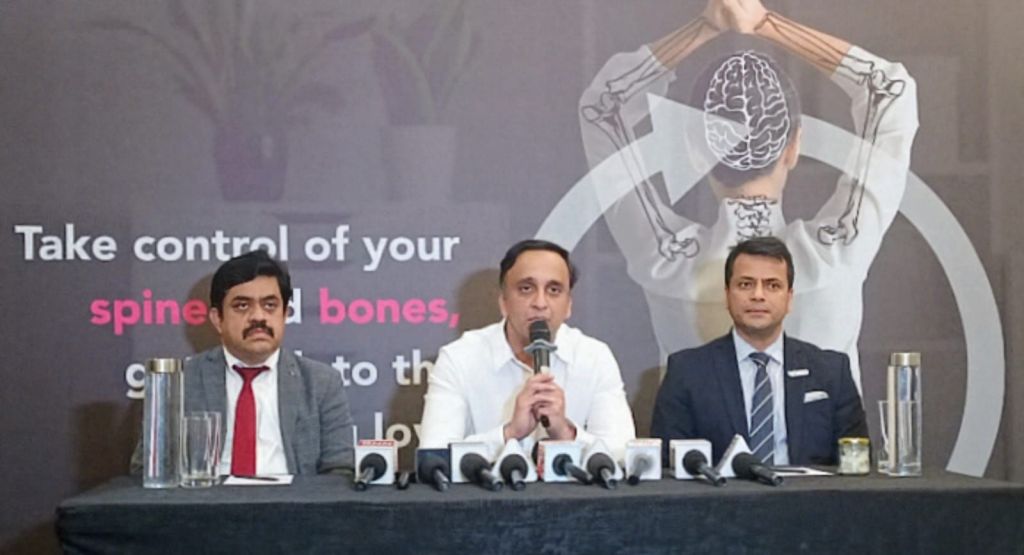
Bengaluru, March 2026: With spine and trauma-related injuries rising steadily across India, medical experts are urging people to seek early diagnosis and timely treatment to avoid long-term disability. Road accidents, falls, sports injuries and age-related fragility fractures are among the key contributors to the growing burden of such injuries.
At a recent awareness initiative, spine and trauma specialists Dr Raviraj A., Dr Amrithlal Mascarenhas and Dr Raghu Nagraj highlighted that prompt medical attention, combined with structured rehabilitation, plays a critical role in ensuring better recovery and preserving mobility.
Doctors explained that even injuries that appear minor can sometimes lead to serious spinal complications such as vertebral fractures, spinal instability or spinal cord damage. Symptoms like persistent neck or back pain, pain radiating to the arms or legs, numbness, weakness in the limbs, difficulty in walking, or problems with bladder and bowel control should not be ignored. According to specialists, delayed diagnosis can lead to worsening deformity and neurological complications.
They noted that advances in spine care, particularly minimally invasive surgical techniques, have significantly improved treatment outcomes in suitable cases while also reducing recovery time.
Orthopaedic trauma experts also drew attention to common fractures involving the wrist, hip, femur and ankle. Proper and timely treatment is essential to restore alignment and prevent complications such as stiffness, limited mobility or early arthritis.

While stable fractures may heal with immobilisation, unstable or displaced fractures often require surgical fixation to ensure proper healing and allow early movement.
Another growing concern, doctors said, is the increasing incidence of osteoporosis-related fractures, especially among post-menopausal women. Widespread vitamin D deficiency, sedentary lifestyles and low awareness about bone health screening in India are contributing to the risk. Hip fractures, in particular, can severely affect mobility and independence if not treated promptly. Specialists therefore recommend bone mineral density screening for people above 40 to 50 years, particularly women after menopause.
Experts also emphasised the vital role of physiotherapy and rehabilitation in the recovery process. Structured rehabilitation programmes help restore muscle strength, improve mobility, prevent joint stiffness and support a safe return to daily activities.
Simple lifestyle measures can significantly reduce injury risks, doctors added. Regular exercise, core strengthening, adherence to road safety rules, use of protective sports gear, fall-prevention measures at home and proper nutrition for bone health can all help prevent spine and trauma-related complications.
“With early diagnosis, appropriate treatment and structured rehabilitation, most patients can regain good functional recovery,” the specialists said, stressing that awareness and timely medical consultation are key to maintaining mobility and quality of life.
The initiative aims to increase public awareness about spine and trauma care, encouraging people to recognise early symptoms and seek medical attention without delay.
City Today News 9341997936
 City Today News
You must be logged in to post a comment.