India Facing Dangerous Rise in Tobacco-Related Non-Lung Cancers

India’s Hidden Tobacco Cancer Crisis: Doctors Warn of Surge in Non-Lung Cancers, Including Cases Among Teenagers

Bengaluru, May 29: Even as lung cancer continues to dominate public awareness around tobacco-related illnesses, oncologists and public health experts are cautioning that India is witnessing a sharp rise in several other aggressive cancers linked to tobacco use, many of which remain under-recognised.

Speaking ahead of World No Tobacco Day, specialists at Sammprada Hospital, Bengaluru, said tobacco consumption is now associated with nearly 25 to 30 different forms of cancer, including cancers of the esophagus, stomach, pancreas, kidney, bladder and liver. Doctors also expressed concern over a growing number of younger patients being diagnosed with tobacco-related cancers.

According to the experts, head and neck cancers have emerged as one of the most common tobacco-associated cancers in India after lung cancer, driven by both smoking and smokeless tobacco consumption.

The doctors revealed that they are increasingly encountering aggressive cancers among adolescents and young adults. They cited the recent treatment of a 16-year-old patient diagnosed with tobacco-linked head and neck cancer, calling it a disturbing indication of early tobacco exposure among youth.

Global cancer studies estimate that tobacco contributes to nearly one-third of all cancer-related deaths worldwide. India continues to carry one of the highest burdens of tobacco use, particularly smokeless tobacco, which significantly increases the risk of oral and head and neck cancers.

Dr. Radheshyam Naik, Founder, Medical Director and Head of Medical Oncology, Haematology and Bone Marrow Transplantation Unit at Sammprada Hospital, said tobacco exposure was no longer confined to lung cancer alone.
“We are seeing increasing numbers of esophageal, pancreatic, bladder, stomach and liver cancers directly linked to tobacco use. Many of these cancers are detected at advanced stages and tend to be highly aggressive,” he said.

Dr. Naik added that the younger age at which people are initiating tobacco use is becoming a major public health concern.
“The case of a 16-year-old with tobacco-related head and neck cancer should be a wake-up call for parents, schools and policymakers,” he said.

Doctors noted that cancers associated with tobacco use are often more difficult to manage clinically. Dr. Vinod Ramani, Consultant in Cancer Prevention and Preventive Oncology at Sammprada Hospital, said tobacco users face higher risks of treatment complications, recurrence and even secondary cancers.

“Smoking affects wound healing after surgery, increases infection risks and can reduce the effectiveness of cancer treatment. Outcomes are often poorer compared to patients without tobacco exposure,” he explained.

Highlighting the broader health impact of tobacco, Dr. P.S. Prabhakaran, former Vice-Chancellor of Rajiv Gandhi University of Health Sciences and former Director of Kidwai Memorial Institute of Oncology, said tobacco significantly damages the cardiovascular system as well.
“It raises the risk of heart attacks, strokes and vascular complications. When cancer treatment is added to an already compromised system, the risks increase substantially,” he said.
Public health experts also warned against the widespread misconception that moderate tobacco use is relatively harmless.

Dr. K. Prabhakara Rao, a tobacco control expert, said there is effectively no safe level of tobacco exposure.
“The risks depend on the age at which tobacco use begins, the duration of use and the intensity of exposure. Early initiation substantially increases lifetime cancer risk,” he said.

Experts further pointed to the growing incidence of less-discussed tobacco-related cancers such as pancreatic, kidney and bladder cancers, as well as Acute Myeloid Leukemia, urging greater public awareness beyond the conventional focus on lung disease.

They called for stronger tobacco control measures, wider screening programmes and targeted interventions aimed at preventing tobacco initiation among young people.

“Many people still assume that avoiding lung disease means tobacco use is manageable. That assumption is dangerously misleading. Tobacco affects nearly every organ system and remains one of the leading preventable causes of cancer,” Dr. Naik said.

City Today News 9341997936

A Stranger’s Gift of Life: Stem Cell Donor Rescues Teen

Bengaluru Woman Donates Stem Cells, Saves Teen Battling Rare Blood Disorder

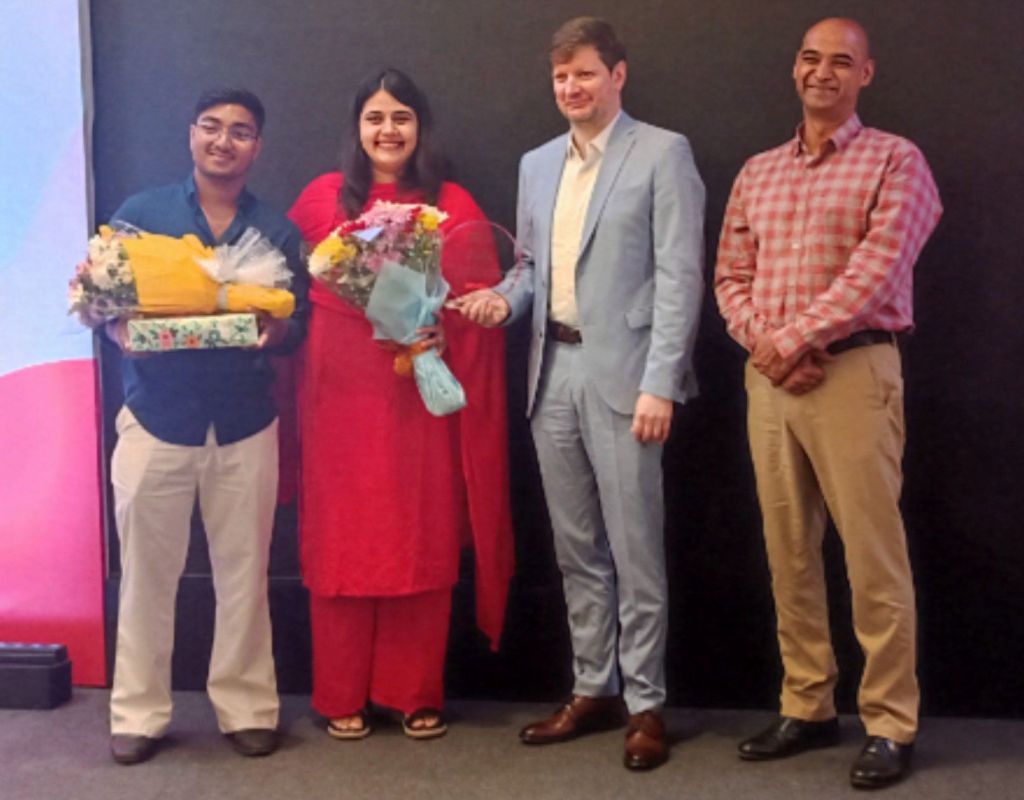
Bengaluru, March 12, 2026: A 32-year-old woman from Kumta has given a new lease of life to a teenager suffering from a rare and life-threatening blood disorder, after donating her blood stem cells through a national donor registry.
Swathi, an IT consultant, recently met 19-year-old Anandu for the first time after her stem cell donation helped cure him of severe aplastic anaemia — a condition in which the bone marrow fails to produce enough blood cells.

Anandu’s health crisis began when he was 15 and studying in Class 10. He had been experiencing persistent fever following a dose of the Covid-19 vaccine, which led doctors to investigate further. Tests eventually revealed that he had severe aplastic anaemia, a potentially fatal disorder requiring urgent treatment.

Doctors treating him recommended a blood stem cell transplant, considered the only curative option for the disease. His physician, Dr V.P. Krishnan, consultant in paediatric haemato-oncology and bone marrow transplant at MVR Cancer Centre and Research Institute in Kozhikode, initiated a search for a suitable donor.

Finding a matching donor proved challenging, and the family went through a difficult period marked by emotional and financial stress. The transplant was eventually made possible with support from the DKMS Patient Funding Programme India, which provides partial financial assistance to patients undergoing stem cell transplantation.

Anandu underwent a matched unrelated donor transplant in early 2023. According to Dr Krishnan, the recovery phase included expected complications such as febrile neutropenia and mucositis, but his overall progress remained positive.
“His blood counts stabilised well after the transplant and donor chimerism levels are good. Today he is healthy, attending college and preparing for his Class 12 board examinations,” the doctor said.

Meanwhile, Swathi had first registered as a potential stem cell donor in 2016 during a donor recruitment drive organised at her workplace by DKMS. Six years later, in 2022, she received a call informing her that she was a potential match for a patient in need. Without hesitation, she agreed to donate.

Her decision was strongly supported by her family, including her husband. Swathi says the experience became even more meaningful when she later became a mother herself.
“Now that I have a baby boy, I understand even more deeply what parents go through when their child is suffering. Being able to help save a life feels incredibly special,” she said.

Health experts say such acts of voluntary donation are crucial, as the chances of finding a matching donor remain low in India. Patrick Paul, Executive Chairman of DKMS India, said that only about 0.09% of the country’s eligible population is currently registered as potential blood stem cell donors.

“In Karnataka alone, more than 49,000 individuals have registered as potential donors, with around 38,000 from Bengaluru. Stories like Swathi and Anandu’s highlight the lifesaving impact of donor registration and the urgent need for more volunteers,” he said.

Dr Govind Eriat, consultant haemato-oncologist and bone marrow transplant specialist at Cytecare Hospitals in Bengaluru, said that for patients with severe aplastic anaemia, a stem cell transplant can often be the only curative treatment.

“Finding a compatible donor remains one of the biggest challenges. Anandu’s recovery shows the resilience of patients and families facing such illnesses, while Swathi’s generosity demonstrates how a single decision can give someone a second chance at life,” he said.

Individuals aged between 18 and 55 years who are in good health, have a body mass index below 40 and are not already registered can sign up as potential blood stem cell donors through the DKMS registry.

City Today News 9341997936

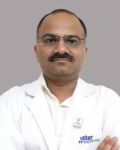
Severe Morning Headaches: What Your Body May Be SignallingDr B K Madhusudhan, Lead Consultant – Neurology, Aster RV Hospital, Bengaluru

Waking up with a severe headache can ruin the start of the day. While an occasional morning headache may result from poor sleep or dehydration, frequent or intense pain on waking should not be ignored. In many cases, it reflects what happens to the body during the night-including changes in breathing, blood pressure, muscle tension and brain chemistry.

During sleep, the body undergoes natural fluctuations in oxygen levels, hormones and posture. If sleep quality is disturbed, the brain’s ability to regulate pain is affected, making headaches more likely in the early morning hours. Repeated morning headaches are often a sign that something deeper needs medical attention.

Common causes behind morning headaches
One of the leading medical causes is sleep apnea, a condition in which breathing repeatedly stops and restarts during sleep. This reduces oxygen supply to the brain and can cause a dull, heavy headache upon waking. Loud snoring, dry mouth and excessive daytime sleepiness often accompany it.

Poor sleep due to insomnia or frequent night awakenings can also trigger headaches by raising stress hormone levels and increasing muscle tension. Teeth grinding during sleep puts pressure on the jaw and temple muscles, leading to tight, band-like pain in the morning.

Even simple factors like an unsupportive pillow or awkward sleeping posture can strain the neck and upper back muscles, causing pain that begins at the back of the head and spreads forward. Dehydration overnight is another common reason, as reduced fluid levels can trigger head pain. Skipping meals or low blood sugar-particularly in people with diabetes or those who fast-may also lead to early-morning headaches.

Migraines often intensify in the early hours due to changes in sleep cycles and brain chemicals. These are usually accompanied by nausea, sensitivity to light or visual disturbances. Overuse of painkillers, caffeine or certain sleeping pills can also result in rebound headaches that appear soon after waking. In some cases, uncontrolled high blood pressure may present as throbbing pain at the back of the head in the morning.

When to take it seriously
The first step in preventing morning headaches is improving sleep hygiene. Going to bed and waking up at fixed times, using proper pillow support, avoiding screen time before sleep and staying well hydrated can make a significant difference. Managing stress, eating regular balanced meals and limiting caffeine or alcohol at night are equally important. If teeth grinding is suspected, a dental check-up and use of a night guard may help.

Treating underlying conditions such as sleep apnea or hypertension often brings marked relief.
However, certain symptoms demand urgent medical attention. Headaches that steadily worsen, are associated with vomiting, confusion, vision problems, weakness in the limbs, or that wake a person from sleep should be evaluated immediately. These could point to increased pressure inside the skull, infections or other neurological disorders requiring prompt care.

In most cases, morning headaches are linked to lifestyle factors and are manageable. But when they are frequent, severe or accompanied by warning signs, they should not be brushed aside. Early diagnosis and timely treatment can prevent complications and improve overall well-being.

City Today News 9341997936

Reaching the Unreachable: Aster, Rotary Roll Out State’s First Epilepsy Screening Van

Aster Whitefield rolls out Karnataka’s first Mobile Epilepsy Van to bridge rural treatment gap

‘Reaching the Unreachable’ initiative to begin in Kolar district under EPIC programme

Bengaluru: In a significant step towards narrowing the epilepsy treatment gap in rural Karnataka, Aster Whitefield Hospital, in partnership with Rotary Bangalore IT Corridor, on Thursday launched the state’s first Mobile Epilepsy Van under its flagship EPIC (Epilepsy Prevention and Integrated Care) programme.

The initiative was inaugurated by Kannada actor-director Ramesh Aravind, while Dr Vasant Kumar, Director of Health and Family Welfare Services, Government of Karnataka, attended as Guest of Honour. Senior officials from Aster Hospitals and Rotary members were also present.

Taking neurological care to the doorstep
Launched in 2023, the EPIC programme has already screened more than 3,000 individuals across outreach camps and conducted awareness sessions aimed at dispelling myths and stigma associated with epilepsy. The programme has facilitated 62 surgeries for patients with drug-resistant (intractable) epilepsy, using advanced technology and evidence-based protocols to ensure precision, better outcomes and quicker recovery.

Hospital authorities said the initiative has also substantially reduced the financial burden on patients by providing EEG diagnostics and senior clinician consultations closer to home, cutting down costs related to travel, specialist fees and repeated hospital visits.

The newly introduced Mobile Epilepsy Van is equipped with a Video EEG machine that enables on-site neurological assessment. The van will travel to Primary Health Centres (PHCs) across districts, beginning with Kolar, where it will help identify and map patients with epilepsy to streamline their treatment plans. Based on learnings from this pilot, the model is expected to be expanded across the state.

Each outreach visit will include a trained EEG technician, and depending on the camp, a neurologist, nurse and supporting medical team. An EEG, which is often expensive at tertiary care centres, will now be made accessible to underprivileged patients through these community camps.

‘Epilepsy is treatable, even curable’
Prof. Dr Satish Rudrappa, Group Director – Aster International Institute of Neurosciences and Spine Care, who conceptualised the EPIC programme, said lack of awareness and delayed diagnosis continue to affect rural populations. “Epilepsy is treatable and in many cases curable. Through the Mobile Epilepsy Van, we are taking specialised neurological screening directly to communities that otherwise have limited access to such services,” he said.

Dr Keni Ravish Rajiv, Senior Consultant and Head of Epilepsy Services, noted that untreated intractable epilepsy can severely impact quality of life. “Many patients in rural areas live with seizures for years because of stigma and lack of diagnostic access. Field-based EEG screening creates a clear pathway from early detection to definitive treatment,” he said.

Srikant Subudhi, Chief Operating Officer of Aster Whitefield Hospital, said the hospital’s approach goes beyond clinical intervention. “Healthcare must restore dignity, equity and hope. Through the EPIC programme and the Mobile Video EEG initiative, we aim to ensure that no patient is denied timely neurological care due to geography or financial constraints,” he said.

Drawing a parallel with Rotary’s role in India’s polio eradication drive, Shrirang Tambe, President of Rotary Bangalore IT Corridor, said the club would adopt a similar sustained approach for epilepsy care. “We are committed to identifying, treating and following up with patients under the EPIC programme,” he said.

Under the collaboration, Aster specialists will continue conducting screening camps with Rotary District 3191. Identified patients will be referred to Aster Whitefield Hospital for further evaluation, including free EEG and MRI investigations funded by Rotary Bangalore IT Corridor.

City Today News 9341997936

Shravya Sambhrama to Mark World Hearing Day in Bengaluru on March 1

Bengaluru: In the run-up to World Hearing Day (March 3) and International Cochlear Implant Day (February 25), Manasa Cochlear Implant and ENT Centre is set to host Shravya Sambhrama, a public awareness and outreach event highlighting the importance of early hearing detection and inclusive education for children with hearing loss.

The programme will be held on March 1, 2026, from 8 am to 12.30 pm at the Town Hall, JC Road, Bengaluru. The event is expected to draw medical professionals, parents, educators and policymakers committed to strengthening early intervention systems in Karnataka.

The event will be graced by senior dignitaries including Shalini Rajneesh, Chief Secretary; U. T. Khader, Hon’ble Speaker of the Karnataka Legislative Assembly; and Dinesh Gundu Rao, Hon’ble Minister for Health.

Led by Dr Vasanthi Anand, Consultant Cochlear Implant Surgeon, the Manasa Cochlear Implant and ENT Centre has completed over 850 cochlear implant surgeries, enabling children born with profound hearing loss to develop speech and language skills. Dr Anand is associated with leading city hospitals including Kaule Hospital, Bhagwan Mahaveer Jain Hospital and Rainbow Children’s Hospital in Bengaluru.

Medical experts underline that undetected hearing loss in infancy can significantly delay speech and language development. “No hearing means no speech and language development,” doctors reiterate, stressing that newborn hearing screening at birth is critical for timely intervention.
For children with more than 90 per cent hearing loss, cochlear implantation before one year of age is strongly recommended. Specialists say that surgery during the “golden period” of brain development greatly enhances speech and language outcomes, enabling children to integrate into mainstream classrooms.

Dr Vasanthi Anand has also played a key role in the Shravana Dosha Mukta Karnataka initiative, launched in 2016 in collaboration with J. M. Hans, Padma Shri awardee, and U. T. Khader. The programme has facilitated hundreds of free cochlear implant surgeries across the State.
The theme of the event-Early Detection, Early Implant, Ready for Classroom-reinforces a clear message: No child should be left behind due to hearing loss.

Manasa Cochlear Implant and ENT Centre is located at 29th ‘C’ Cross, 4th Block, Jayanagar, Bengaluru.

City Today News 9341997936