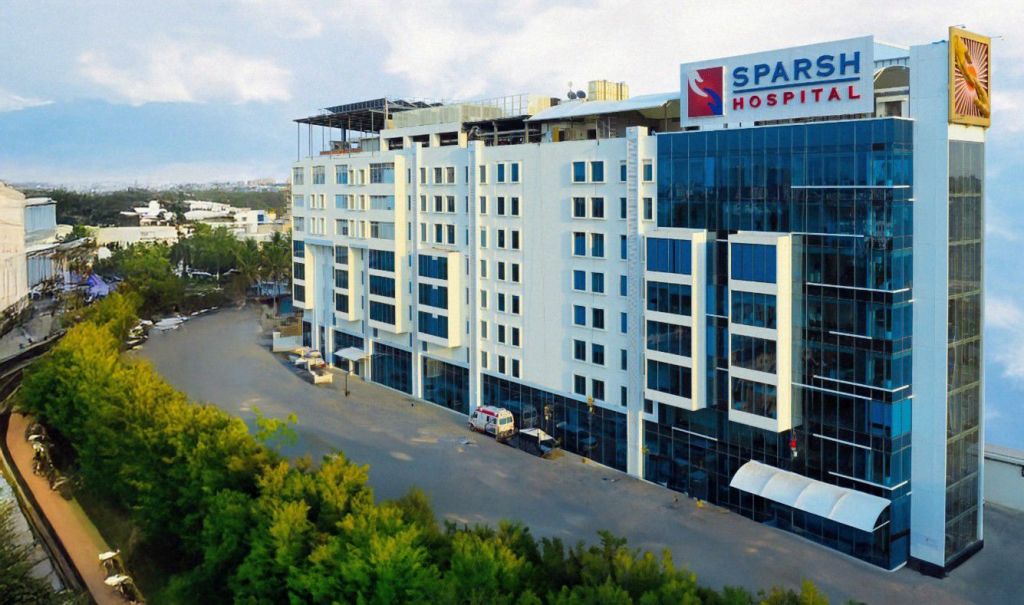
Bengaluru, October 16, 2026: A brain stroke at the age of 36 has brought renewed attention to the growing risk of serious health complications among younger adults due to poorly managed lifestyle diseases. Doctors at SPARSH Hospital, Yelahanka, successfully treated a 36-year-old man who suffered a major ischaemic stroke after a combination of uncontrolled hypertension, diabetes, obesity and smoking significantly increased his risk.
The patient, who had not been taking appropriate medication for his existing health conditions, was rushed to the emergency department after suddenly developing difficulty in speaking. Initial brain scans revealed damage caused by reduced blood supply, while further imaging identified a blockage in a major artery supplying blood to the brain.
He had initially received clot-dissolving medication at another hospital before being referred to SPARSH Hospital for advanced intervention. However, as his neurological symptoms persisted despite the initial treatment, doctors decided to proceed with an emergency procedure to remove the blockage.
During the intervention, the medical team successfully retrieved the blood clot but discovered severe narrowing in the affected artery. An attempt to widen the vessel using a balloon was unsuccessful in achieving the desired result. To prevent the artery from narrowing or closing again and to maintain adequate blood flow to the brain, doctors subsequently placed a stent.
Explaining the complexity of the case, Dr. Nandini Mitta, Consultant – Neurology, SPARSH Hospital, Yelahanka, said that stroke is no longer a health concern restricted to older people.
“Uncontrolled blood pressure and diabetes can significantly increase the risk of stroke, particularly when combined with obesity and smoking. In this case, the patient’s symptoms persisted despite initial clot-dissolving treatment, necessitating further intervention. The presence of severe underlying narrowing in the blood vessel made the procedure more challenging. Timely referral and appropriate treatment were crucial in restoring and maintaining blood flow to the brain,” she said.
Following the procedure, the patient was administered medication to prevent further clot formation, along with cholesterol-lowering drugs and supportive treatment. Dr. Anil Ramakrishna, Senior Consultant – Neurology, SPARSH Hospital, Yelahanka, emphasised the importance of continuous neurological monitoring and rehabilitation in ensuring a safe recovery.
Subsequent scans confirmed that there was no bleeding in the brain. The patient’s condition stabilised, and he was gradually taken off ventilator support before being shifted to the next phase of treatment and neurorehabilitation.
Commenting on the hospital’s approach to emergency care, Mr. Abhishek Thomas, Cluster COO, SPARSH Hospital, Yelahanka and Sarjapur Road, said, “At SPARSH Hospitals, we are committed to ensuring timely access to appropriate medical care during emergencies. Our medical teams and infrastructure are equipped to manage complex conditions through coordinated treatment and continued patient care.”
The case serves as an important reminder that recognising stroke symptoms and seeking immediate medical attention can make a critical difference to patient outcomes. Depending on the patient’s condition and eligibility, treatment may include clot-dissolving medication or mechanical clot removal to restore blood circulation to the brain.
Doctors also stress that regular monitoring and effective management of blood pressure and diabetes, maintaining a healthy weight, following a healthy lifestyle and quitting smoking are essential steps towards reducing the risk of stroke and other serious cardiovascular complications.
City Today News 9341997936


