Observing Disability Day: Empowering Thalassemia Patients Through Stem Cell Transplants

BENGALURU, DECEMBER 02 – Thalassemia, classified as a disability under India’s Person with Disabilities Act, presents one of the most severe genetic challenges in the country. While we promote the rights and well-being of persons with disabilities this International Day of Persons with Disabilities, let us also pause and support Thalassemia patients in India.


As the world grapples with the implications of Thalassemia, India is at the epicentre, burdened with over 10,000 new cases of Thalassemia Major annually and an estimated 42 million carriers of the beta thalassemia trait. Despite this, India is making strides, driven by organisations like DKMS BMST Foundation India, that are working to alleviate the struggles of such individuals through stem cell transplantation and awareness initiatives.


Hemoglobinopathies, which include blood disorders like Thalassemia, not only disrupt the lives of patients but also create a massive socio-economic challenge for families and healthcare systems. These disorders, marked by regular blood transfusions and iron chelation therapy, leave patients and their families facing lifelong battles for care, access, and financial resources.


Dr. Nitin Agarwal, HoD, Donor Request Management, DKMS BMST Foundation India said, “Disabilities caused by genetic conditions like Thalassemia require focused attention. While these conditions remain one of the most common genetic disorders globally, India, as the Thalassemia capital of the world, faces unique challenges. Blood stem cell transplant is a treatment option that not only offers the potential for a cure but also removes the financial and emotional burdens of repeated transfusions. Unfortunately, awareness of prevention strategies and access to transplantation remains limited, which is why we need to do more to address this issue.”


Aditi Mahato, hailing from a small village near Raipur, Chhattisgarh, was diagnosed with beta thalassemia major at just five months old, a condition that breaks down red blood cells and causes life-threatening drops in hemoglobin levels. Her life revolved around painful and frequent blood transfusions. Her parents faced endless struggles, traveling to multiple hospitals and blood banks to find compatible blood. The only permanent solution for Aditi was, a stem cell transplant, which was beyond the family’s financial means. This is when the family learnt about DKMS-BMST Thalassemia Program. Through this program’s free HLA testing initiative, Aditi and her family could undergo HLA testing. Unfortunately, no full match donor was found within her family or the unrelated donor registry. However, under the guidance of Narayana Health’s Pediatric Blood and Marrow Transplantation team, she successfully underwent a half-match transplant, with her father serving as the donor. The transplant, conducted on March 13, 2022, at Narayana Health, Bengaluru, was life-changing for Aditi, who now lives a healthy and independent life.


Patrick Paul, CEO, DKMS BMST Foundation India said, “India’s fight against genetic disabilities like Thalassemia is a mission that requires collaborative effort. Our Access To Transplantation program is designed to support underprivileged families in accessing much needed medical interventions. By organising Thalassemia camps in partnership with NGOs and clinics, we have been able to empower families like Aditi’s to overcome economic and accessibility barriers. While finding a full match donor remains challenging, our work in supporting haploidentical (half-match) transplants ensures no patient is left without hope. Over 14,214 patients and families have benefited from free HLA typing, leading to 350 successful transplants in the last three years.”


India’s battle against blood disabilities like Thalassemia Major is a larger reflection of the nation’s need for widespread awareness. Blood stem cell donation, a safe and life-changing process, remains the cornerstone of addressing this crisis. As the International Day of Persons with Disabilities serves as a reminder of the rights and dignity of individuals living with disabilities, organisations like DKMS BMST Foundation India are working towards a future where fewer families endure the hardship of untreated genetic disorders.


To register as a potential blood stem cell donor, please visit: http://www.dkms-bmst.org/register

City Today News 9341997936
DKMS-BMST – Bridging the Care Gap in Blood Cancer Treatment on National Cancer Awareness Day

November 07, 2024: National Cancer Awareness Day serves as a poignant reminder of the significant burden of cancer in India, including blood cancers like leukemia, lymphoma, and myeloma. Every year over 1 lakh people in India are diagnosed with blood cancer or blood disorder such as thalassemia and aplastic anemia. While advancements in medical science have improved treatment outcomes, access to life-saving therapies, particularly blood stem cell transplantation, remains a major challenge for many patients.

DKMS-BMST, a leading organisation dedicated to fighting blood cancer, is committed to addressing this pressing issue. By raising awareness about the critical role of blood stem cell transplantation and implementing innovative patient support programs, DKMS-BMST is working tirelessly to close the care gap and provide hope to countless patients.

Patrick Paul, CEO of DKMS-BMST Foundation India says,“Our Access to treatment program is a testament to our dedication to ensuring that no patient is denied life-saving treatment due to financial constraints. Additionally, our stem cell registry plays a vital role in connecting patients with potential donors, offering them a second chance at life.”

Blood stem cell transplantation, a proven curative treatment for many blood cancers, involves replacing a patient’s damaged blood stem cells with healthy ones from a compatible donor. Peripheral Blood Stem Cell (PBSC) donation is a simple and effective way to save lives.

Dr. Nitin Agarwal, MD Transfusion Medicine, HoD, Donor Request Management, DKMS-BMST Foundation India says, “PBSC donation is a safe and straightforward process that takes 3-4 hours. It’s a remarkable opportunity to make a profound impact on the life of a patient in need. We encourage everyone to consider becoming a potential stem cell donor and join the fight against blood cancer.”

On National Cancer awareness Day, DKMS-BMST urges individuals to take action and support the cause. By registering as a potential blood stem cell donor, you can become a lifesaver.
In India, every year, over 1 lakh people are diagnosed with blood cancer or a blood disorder. For a successful blood stem cell transplant, patients need a perfect HLA-matching donor. Unfortunately, only 0.09 % of the Indian population have registered as potential donors. Patients and donors of Indian origin have unique HLA (Human Leukocyte Antigen) characteristics severely under-represented in the global database, making the probability of finding a suitable donor even more difficult.
To register as a potential stem cell donor, you must be a healthy Indian adult between 18 and 55 years of age. When you are ready to register, all you need to do is complete a consent form and swab the inside of your cheeks to collect your tissue cells. Your tissue sample is then sent to the lab to be analyzed and listed anonymously on the international search platform for matching stem cell donors. If you’re eligible, take the first step to register as a blood stem cell donor by ordering your home swab kit at http://www.dkms-bmst.org/register

City Today News 9341997936
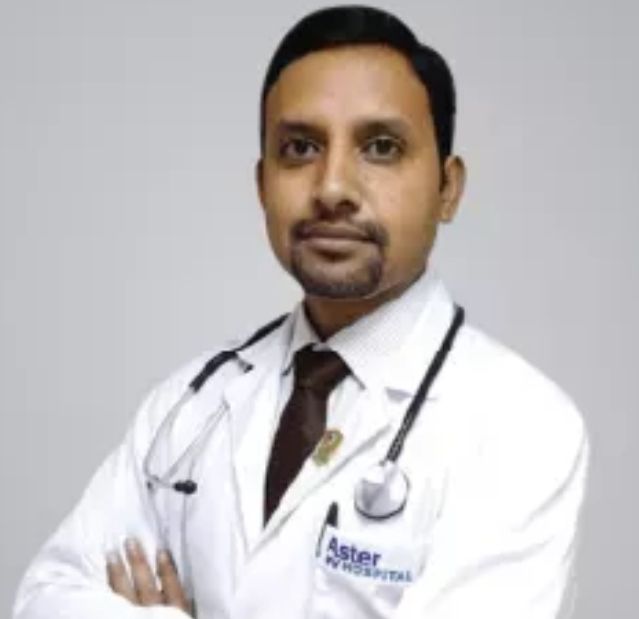
Lung Cancer in India: Understanding Risk Factors and the Importance of Early Detection

Dr. Pavan Yadav, Lead Consultant – Interventional Pulmonology & Lung Transplantation, Aster RV Hospital.

Lung cancer is a formidable adversary, claiming countless lives each year. Enhancing public awareness about this disease is crucial. Awareness of lung cancer is essential for saving lives. By understanding the disease, its risk factors, and the importance of early detection, we can work towards a future where lung cancer is no longer a leading cause of death.

Tobacco smoking is the primary risk factor for lung cancer in India, contributing to a significant proportion of cases. However, exposure to environmental pollutants, occupational hazards, and genetic factors also play crucial roles in the development of this disease.

Risk Factors and Prevention

Understanding the risk factors associated with lung cancer is vital for promoting prevention and early detection. Major risk factors include:

Tobacco Use: Cigarette smoking is the leading cause of lung cancer, responsible for about 85% of all cases. Quitting smoking is the most effective way to reduce the risk.

Secondhand Smoke: Exposure to secondhand smoke also increases the risk of developing lung cancer.
Environmental and Occupational

Exposures: Prolonged exposure to asbestos, radon gas, and other hazardous substances can elevate the risk of lung cancer.

Genetic Predisposition: Family history and genetic factors can contribute to an individual’s susceptibility to lung cancer.
The Importance of Early Detection and Screening

Early cancer detection and screening play a crucial role in improving lung cancer outcomes. Here are some key points highlighting their significance:

Early Detection Saves Lives: Early detection of lung cancer leads to better treatment outcomes and higher survival rates. When lung cancer is diagnosed at an early stage, before it has spread to other parts of the body, there is a higher chance of successful treatment and potential cure.

Screening Programs for High-Risk Individuals: For individuals at high risk of developing lung cancer, such as heavy smokers and those with a family history of the disease, regular screening programs are recommended. Low-dose computed tomography (LDCT) scans are commonly used for early detection in high-risk populations.

Importance of Smoking Cessation: Encouraging smoking cessation is not only a preventive measure but also a way to enable early detection. Former smokers should be aware of their heightened risk for lung cancer and participate in screening programs to detect any potential abnormalities at an early stage.

Public Awareness Campaigns: Raising awareness about the importance of early cancer detection through public campaigns can encourage people to seek medical attention promptly if they experience any concerning symptoms or fall into high-risk categories.

Recognizing Warning Signs: Educating the public about common lung cancer symptoms, such as persistent cough, chest pain, shortness of breath, hoarseness, unexplained weight loss, and coughing up blood, can prompt individuals to seek medical evaluation if they experience these signs.

Access to Healthcare: Improving access to healthcare services and diagnostic facilities is crucial for early detection. Efforts should be made to ensure that people, especially those in remote or underserved areas, have access to screening and diagnostic resources.

Combining Screening with Preventive Measures: Early detection should be complemented with preventive measures. Promoting a healthy lifestyle, avoiding tobacco products, and minimizing exposure to environmental pollutants can help reduce the risk of developing lung cancer.

Research and Technological Advancements: Continued research in the field of lung cancer detection and screening is essential to develop better and more accurate screening methods, leading to earlier diagnosis and improved patient outcomes.
By addressing these risk factors and emphasizing the importance of early detection, we can improve lung cancer outcomes in India and reduce the burden of this devastating disease. Public awareness, healthcare access, and preventive measures are all critical components in the fight against lung cancer.

City Today News 9341997936

ರೋಟರಿ ಜಿಲ್ಲೆ 3192 ರ “ಆಸರೆ” ಎಂಬ ವಿನೂತನ ಯೋಜನೆ

ರೋಟರಿ ಸಂಸ್ಥೆಯು ನಿರಂತರವಾಗಿ 119 ವರ್ಷಗಳಿಂದ ಸಾರ್ವಜನಿಕ ವಲಯದಲ್ಲಿ ಸೇವೆಯನ್ನು ಸಲ್ಲಿಸುತ್ತಾ ಬಂದಿದ್ದು. ಈಗ ವಿನೂತನ ಆಸರೆ ಯೋಜನೆಯು ಹಿರಿಯ ನಾಗರಿಕರು ಮತ್ತು ಅಗತ್ಯವಿರುವವರಿಗೆ ವೈದ್ಯಕೀಯ ಸೇವೆಗಳನ್ನು ಒದಗಿಸುವ ಗುರಿಯನ್ನು ಹೊಂದಿದ್ದು,ರೋಟರಿ ಸದಸ್ಯರನ್ನು ಸ್ಥಳೀಯ ಸಮುದಾಯದೊಂದಿಗೆ ಸಂಪರ್ಕಿಸುವ ಮೂಲಕ ರೋಟರಿಯ ಸಾಮಾಜಿಕ ಸೇವೆ ಅಗತ್ಯವಿರುವವರಿಗೆ ತಲುಪಿಸುವಂತದ್ದಾಗಿದೆ .

ಈ ಯೋಜನೆಯ ಎರಡು ಪ್ರಮುಖ ಅಂಶಗಳು ಈ ಕೆಳಕಂಡಂತಿವೆ.

1. ತುರ್ತು ವೈದ್ಯಕೀಯ ಸೇವೆ: ವೈದ್ಯಕೀಯ ತುರ್ತು ಪರಿಸ್ಥಿತಿಗಳಿಗಾಗಿ ಮೀಸಲಿಟ್ಟ ಫೋನ್ ಸಂಖ್ಯೆಯನ್ನು ಹೊಂದಿದ್ದು, ತುರ್ತು ಸಹಾಯವನ್ನು ಒದಗಿಸಲು ವಿ-ಮಿಡೋ ವೈದ್ಯಕೀಯ ಸಂಸ್ಥೆಯೊಂದಿಗೆ ಪಾಲುದಾರಿಕೆ ಹೊಂದಿದೆ.

2. ರೋಟರಿ ಸಂಪರ್ಕಗಳು: ಸಾರ್ವಜನಿಕರಿಗಾಗಿ ಮೀಸಲಿಟ್ಟ ವಾಟ್ಸಾಪ್ ಗುಂಪಿನ ಮೂಲಕ ಸ್ಥಳೀಯ ರೋಟರಿ ಕ್ಲಬ್ಬಿನ ಸದಸ್ಯರೊಂದಿಗೆ ಸಂಪರ್ಕ ಸಾಧಿಸಬಹುದು.ರೋಟರಿ ಯೋಜನೆಗಳನ್ನು ವೀಕ್ಷಿಸಿ, ಪ್ರತಿಕ್ರಿಯೆ ನೀಡಬಹುದು.

ಸ್ಥಳೀಯ ರೋಟರಿ ಕ್ಲಬ್ ನ ಯೋಜನೆಗಳು ಅಥವಾ ವೈಯಕ್ತಿಕ ಅಗತ್ಯತೆಗಳಿಗೆ ಸಹಾಯವನ್ನು ವಿನಂತಿಸಬಹುದು.

ಪ್ರಮುಖ ಪ್ರಯೋಜನಗಳು:

– ಸಾರ್ವಜನಿಕರಿಗೆ ರೋಟರಿ ಕ್ಲಬ್ ನ ಪದಾಧಿಕಾರಿಗಳು ಹಾಗು ಸದಸ್ಯರೊಂದಿಗೆ ನೇರ ಸಂಪರ್ಕ ಸಾಧಿಸಲು ಅವಕಾಶ.

-ಹೆಚ್ಚಿನ ಪಾರದರ್ಶಕತೆ ಮತ್ತು ಸಮುದಾಯದೊಂದಿಗೆ ನಿಕಟ ಸಂಪರ್ಕ.

– ವಿ-ಮಿಡೋ ವೈದ್ಯಕೀಯ ಸೇವೆಗಳ ಮೂಲಕ ತುರ್ತು ವೈದ್ಯಕೀಯ ಸಹಾಯಕ್ಕೆ ಸುಲಭ ಅವಕಾಶ.

ರೋಟರಿಯು ಸ್ಥಳೀಯ ಅಗತ್ಯತೆಗಳಿಗೆ ಸ್ಪಂದಿಸಲು ಮತ್ತು ಯೋಜನೆಗಳನ್ನು ಪರಿಣಾಮಕಾರಿಯಾಗಿ ಅನುಷ್ಠಾನಗೊಳಿಸಲು ಅನುಕೂಲಕರ ವಾತಾವರಣ ನಿರ್ಮಾಣ.

3.ಶಾಲಾ ಹೆಣ್ಣು ಮಕ್ಕಳಿಗೆ ಉಚಿತ ಸರ್ವಿಕಲ್ ಕ್ಯಾನ್ಸೆರ್ ಚುಚ್ಚು ಮದ್ದನ್ನು ನೀಡಲಾಗುವುದು.ಕ್ಯಾನ್ಸೆರ್

ಆಸರೆ ಯೋಜನೆಯು ರೋಟರಿ ಸದಸ್ಯರು ಮತ್ತು ಸಮುದಾಯದ ನಡುವೆ ಅಂತರವನ್ನು ಕಡಿಮೆ ಮಾಡುವ ಮೂಲಕ, ಜವಾಬ್ದಾರಿ, ಕಾಳಜಿ, ಮತ್ತು ಸಂಪರ್ಕದ ಪ್ರಜ್ಞೆಯನ್ನು ಉತ್ತೇಜಿಸುತ್ತದೆ. ಇದರಿಂದ, ರೋಟರಿಯ ಇಮೇಜ್ ಮತ್ತು ಪ್ರಭಾವವನ್ನು ಹೆಚ್ಚಿಸಲು ಸಹಾಯ ಮಾಡುತ್ತದೆ.

ಆಸರೆ ಯೋಜನೆಯು,ರೋಟರಿ ಕ್ಲಬ್ಬುಗಳ ಸಂಪರ್ಕಗಳನ್ನು ಇನ್ನಷ್ಟು ಸದೃಢಗೊಳಿಸುವ ಮೂಲಕ, ರೋಟರಿಯ ಪ್ರಮುಖ ಸೇವಾ ಯೋಜನೆಗಳು ಮತ್ತು ತುರ್ತು ಸ್ಪಂದನೆ ವ್ಯವಸ್ಥೆಗಳನ್ನು ಪರಿಣಾಮಕಾರಿಯಾಗಿ ಜನರ ಬಳಕೆಗೆ ಸುಲಭವಾಗಿ ಸಿಗುವಂತೆ ಮಾಡುತ್ತದೆ.

ಆಸರೆ ಯೋಜನೆ:

1. ತುರ್ತು ಸಂಖ್ಯೆಯ ನಿರ್ವಹಣೆ:

– ರೋಟರಿ ಕ್ಲಬ್‌ಗಾಗಿನ 24/7 ತುರ್ತು ಸಂಖ್ಯೆಯನ್ನು ಅಧ್ಯಕ್ಷರು ಅಥವಾ ನಿಯೋಜನೆಗೊಂಡ ಮುಖ್ಯಸ್ಥರು ನಿರ್ವಹಿಸುತ್ತಾರೆ.

2. ಸ್ಥಳೀಯ ಸೇವಾ ಸಂಪರ್ಕ:

ಆಯಾ ಪ್ರದೇಶದಲ್ಲಿ ಸೇವಾ ಚಟುವಟಿಕೆಗಳಲ್ಲಿ ತೊಡಗಿಸಿಕೊಂಡಿರುವ ವ್ಯಕ್ತಿಗಳನ್ನು ಗುರುತಿಸಿ ಅವರನ್ನು ರೋಟರಿ ಕನೆಕ್ಸ್ ವಾಟ್ಸಾಪ್  ಗುಂಪಿಗೆ ಸೇರಿಸಲು ಸಹಕರಿಸುವುದು

3. ವೈದ್ಯಕೀಯ ತುರ್ತು ಸಮಯದಲ್ಲಿ:

– ಸಾರ್ವಜನಿಕರು ಸಹಾಯಕ್ಕಾಗಿ ರೋಟರಿ ತುರ್ತು ಸಂಖ್ಯೆಗೆ ಕರೆ ಮಾಡಬಹುದು.

– ತುರ್ತು ಸಹಾಯಕ್ಕಾಗಿ ಮಾಡುವ ಕರೆಮಾಡುವಯು ವಿ-ಮಿಡೋ ವೈದ್ಯಕೀಯ ಸೇವೆಗಳಿಗೆ ಸಂಪರ್ಕ ಮಾಡುತ್ತದೆ.

4. ವೈದ್ಯಕೀಯ ಸೇವೆಗಳು:

ವಿ ಮಿಡೋ ಸಂಸ್ಥೆಯೊಂದಿಗೆ ಆನ್‌ಲೈನ್ ವೈದ್ಯರ ಸಮಾಲೋಚನೆಗಳು ಉಚಿತವಾಗಿ ಲಭ್ಯವಿರುತ್ತವೆ.

ತುರ್ತು ಪರಿಸ್ಥಿತಿಗಳಲ್ಲಿ ಆಂಬ್ಯುಲೆನ್ಸ್ ಸೇವೆ ಮತ್ತು ಆಸ್ಪತ್ರೆಗೆ ಸಾರಿಗೆ ವ್ಯವಸ್ಥೆ ನಿರಾತಂಕವಾಗಿರುವುದು.

ರೋಟರಿ ಸಂಪರ್ಕಿಸಿ: 9535534666

ಸದಾ ರೋಟರಿ ಸೇವೆಯಲ್ಲಿ,

– ರೊ ಮಹದೇವಪ್ರಸಾದ್ ಎನ್.ಎಸ್. ಜಿಲ್ಲಾ ಗವರ್ನರ್, ರೋಟರಿ ಜಿಲ್ಲೆ 3192

City Today News 9341997936

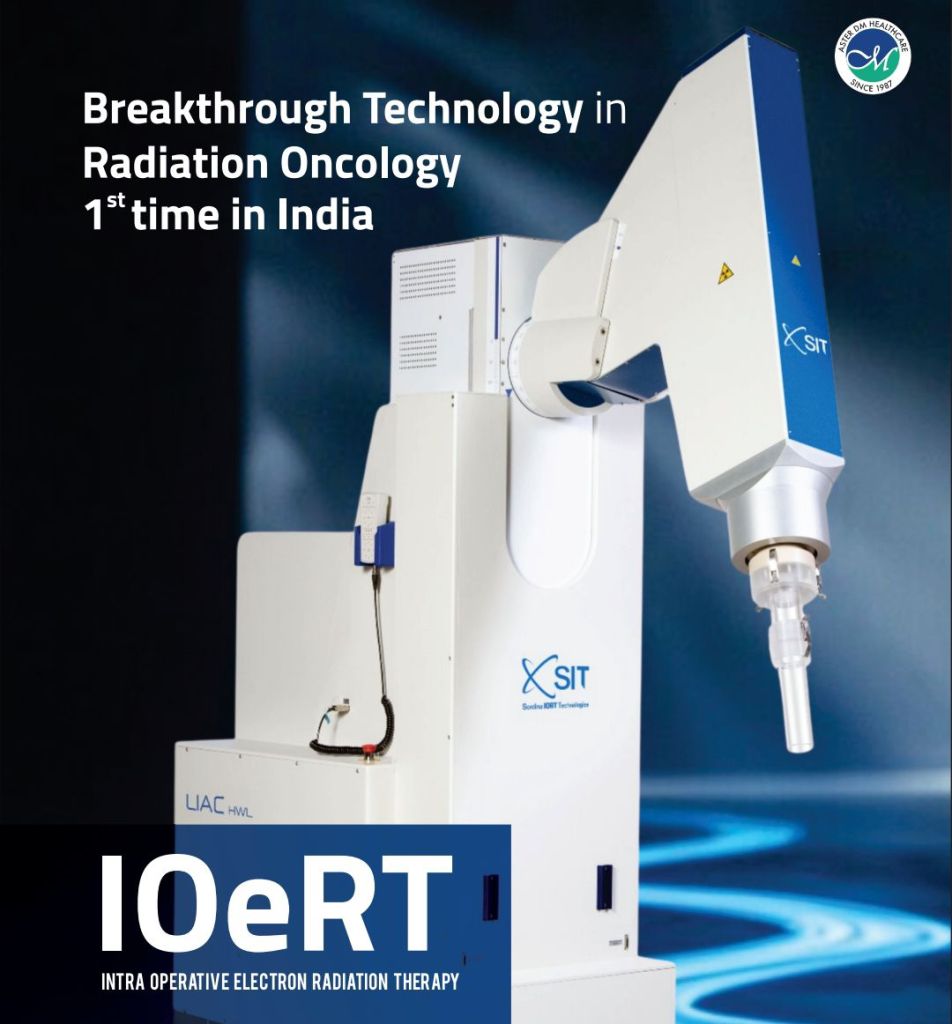
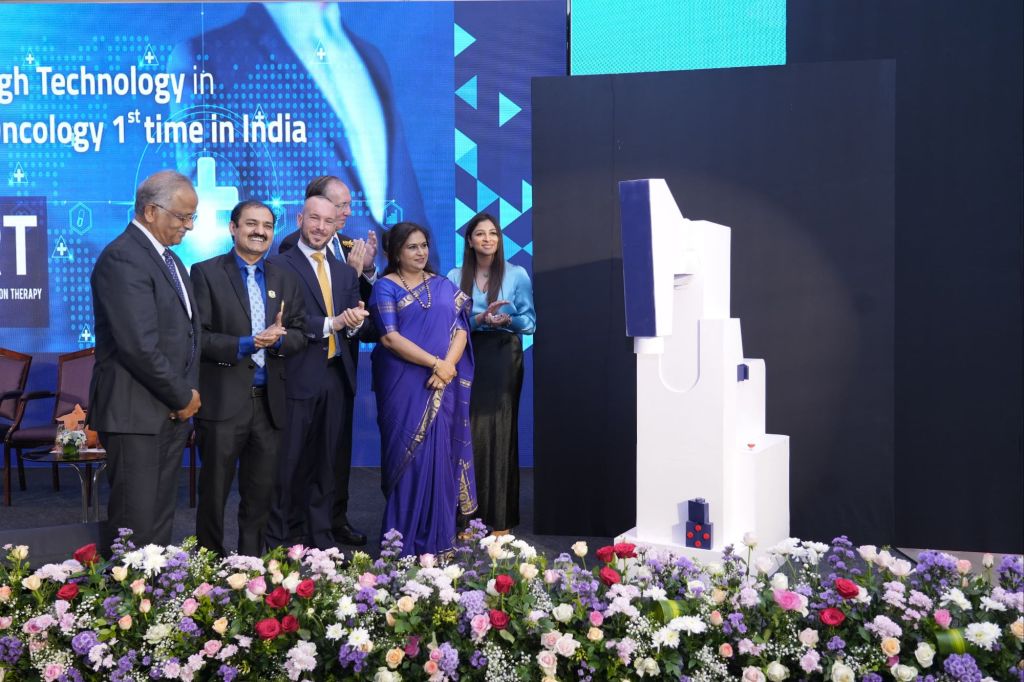
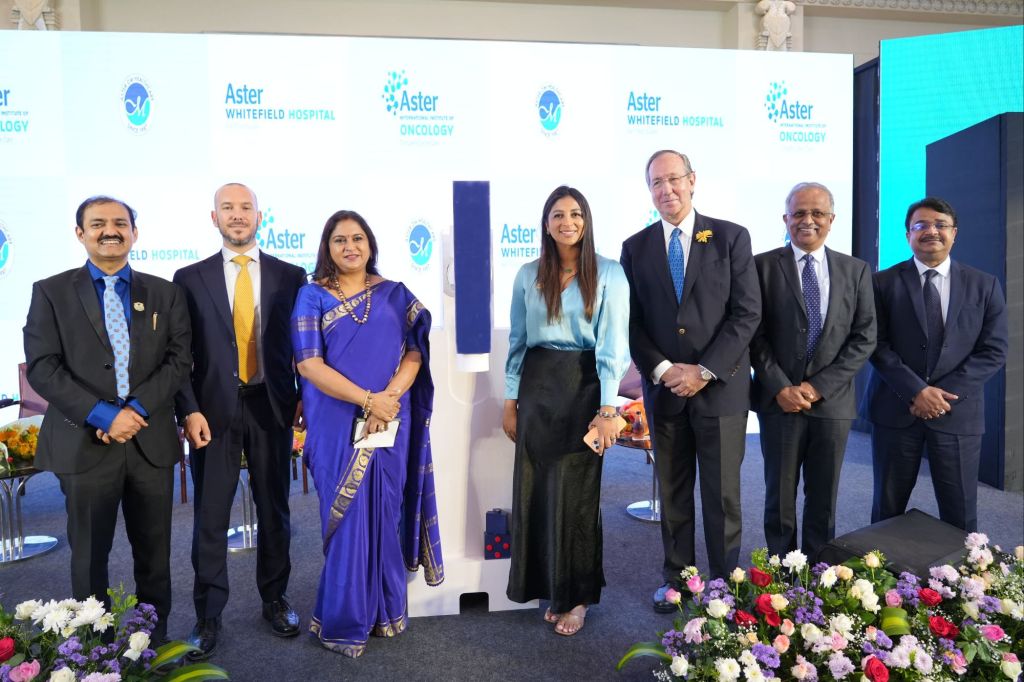
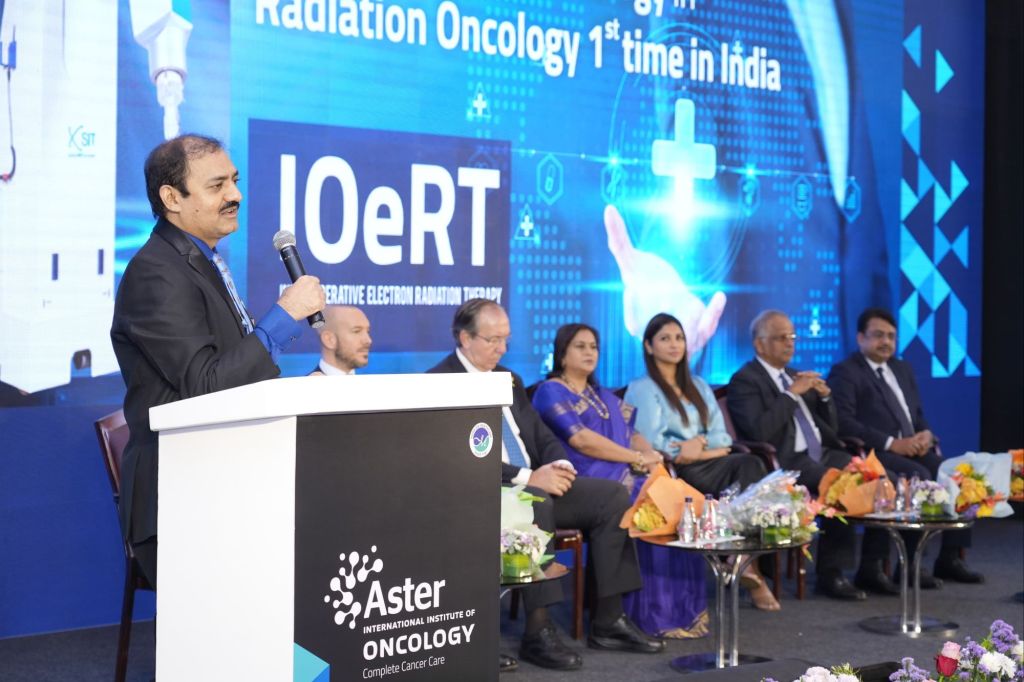
Aster Hospitals Introduces Intra-Operative Electron Radiation Therapy (IOeRT) for Cancer Care — A First in India

Bengaluru, October 9, 2024 — Aster Hospitals is proud to announce the launch of Intra-Operative Electron Radiation Therapy (IOeRT), a pioneering advancement in cancer care that will provide patients with cutting-edge treatment options in India. This innovative approach, now available for the first time in the country, aims to improve cancer treatment outcomes by delivering targeted radiation during surgery, minimizing damage to surrounding healthy tissues and significantly reducing recovery time.

IOeRT offers numerous benefits, including:
• Precision Treatment: Allows oncologists to deliver high doses of radiation directly to the tumor bed during surgery, increasing the efficacy of treatment.
• Reduced Side Effects: Limits radiation exposure to healthy tissues, resulting in fewer side effects compared to traditional radiation therapies.
• Faster Recovery: Patients can experience quicker recovery times, enabling them to resume daily activities sooner.
• Improved Survival Rates: Studies indicate that IOeRT may enhance overall survival rates for certain types of cancers.

Alisha Moopen, Deputy Managing Director of Aster DM Healthcare, stated, “The introduction of IOeRT at Aster Hospitals marks a significant milestone in cancer care in India. We are committed to providing our patients with the most advanced treatment options to ensure better outcomes and improved quality of life.”

Dr Sujatha Rathod,  Director Medical Education  expressed his enthusiasm for the new therapy, saying, “The launch of IOeRT is a testament to the strides we are making in cancer treatment in India. This technology will not only benefit patients in Karnataka but set a benchmark for cancer care across the nation.”

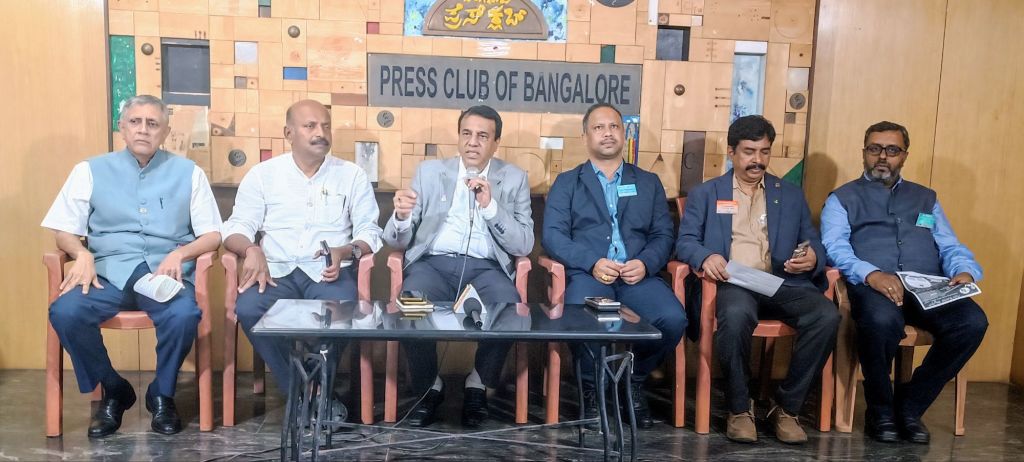
The press meet featured notable speakers including Dr. Somashekhar S P, Global Director of Aster International Institute of Oncology, Dr. M S Beliappa, HOD and Lead Consultant in Radiation Oncology at Aster Hospitals, and Francesco Zanetti, President & CEO of SIT Sordina. They discussed the transformative potential of IOeRT in reshaping cancer treatment paradigms and enhancing patient outcomes.
The event marks a pivotal moment in the journey toward innovative healthcare solutions in India, and Aster Hospitals remains dedicated to advancing cancer care through continuous investment in state-of-the-art technology and expert medical talent.

City Today News 9341997936