World Lymphoma Day: Confronting Challenges and Offering Hope through Breakthrough Innovation

Estimated 25,000 new cases of DLBCL are diagnosed annually

In India, nearly 30-40% of people diagnosed with DLBCL do not survive for five years, which is worse than the global average 0% of all DLBCL patients relapse and face disease progression even after initial treatment.

The first FDA-approved therapy for first-line treatment of DLBCL in almost 20 years is now available in India

New treatment regimen reduce chance of the disease getting worse, relapse, or causing death by 27% compared to current treatment option

77% of patients who got the new treatment had no worsening of their disease after 2 years
As the incidence of lymphoma the most common type of blood cancer continues to rise steadily in India, the need for advanced treatment options has become increasingly urgent. Diffuse Large B-Cell Lymphoma (DLBCL), the most aggressive form of non-Hodgkin lymphoma (NHL), alone accounts for around 25,000 new cases annually in the country. Despite existing treatments, nearly 40% of DLBCL patients face relapse or disease progression, creating significant challenges for patients, their families, and the healthcare system.

However, there is renewed hope as the first FDA-approved therapy for first-line treatment of DLBCL in almost 20 years is now available in India. This breakthrough marks a pivotal milestone in the fight against DLBCL, offering patients access to cutting-edge care and the potential for improved outcomes.

Challenges in Diagnosis & Treatment Pathway

While DLBCL is a highly treatable and potentially curable form of blood cancer, mortality remains concerning, particularly in patients with returning disease (relapse/refractory).

In India, nearly 30-40% of people diagnosed with DLBCL do not survive for five years, which is worse than the global average.

A significant issue in the treatment pathway is misdiagnosis and delayed referrals by general physicians, which often result in compromised treatment efficacy.

Limited progress has been made in improving patient outcomes in previously untreated DLBCL over the last two decades. While many patients are responsive to initial treatment, as many as four in ten people do not respond to initial treatment or relapse within two years after initial treatment. These patients face limited treatment options, which adds to the emotional and psychological toll on them and their families, who live in constant fear of the disease returning.

A Breakthrough After 20 Years

For the first time in nearly two decades, there has been a groundbreaking advancement in DLBCL treatment with a new drug: Polatuzumab in combination with chemotherapy. This is the first FDA- approved therapy in nearly 20 years for the first-line treatment of DLBCL, a hard-to-treat disease and the most common form of NHL Polatuzumab is a first-in-class anti-CD79b antibody-drug conjugate (ADC).

Data from Polatuzunab trial data indicates a significant reduction of 27% in risk of progression-free survival, disease progression, relapse or death compared to the existing standard-of-care of Mab Thera/Rituxan plus cyclophosphamide, doxorubicin, vincristine and prednisone (R-CHOP)

Since the adoption of chemotherapy in 2002, approximately 11 clinical trials have failed to demonstrate Improved clinical outcomes for DLBCL. Polatuzumab’s success is a remarkable breakthrough. Globally, over 23,000 patients have been treated in the first-line setting, and the drug is now approved in more than 90 countries, underscoring its worldwide impact.

Polatuzumab in combination with chemotherapy is now also a preferred regimen for first line treatment of DLBCL treatment under National Comprehensive Cancer Network (NCCN) Clinical Practice Guidelines in Oncology.

Meeting Unmet Needs in DLBCL

The best chance of preventing relapse in people with DLBCL is with effective and tolerable therapy at

the time they are first diagnosed and have received no prior treatment. When subsequent therapy is needed, the course of the disease tends to have worse outcomes.

Polatuzumab, an antibody drug conjugate (ADC), offers hope for such patients by targeting specific proteins on lymphoma cells and delivering cytotoxic agents directly to the cancer cell.

Clinical data shows a 27% reduction in the risk of progression, relapse or death in patients treated with

Polatuzumab in the first line. Furthermore, 77% of patients treated with this therapy were progression- free for two years, providing a lifeline to those who previously had limited options.

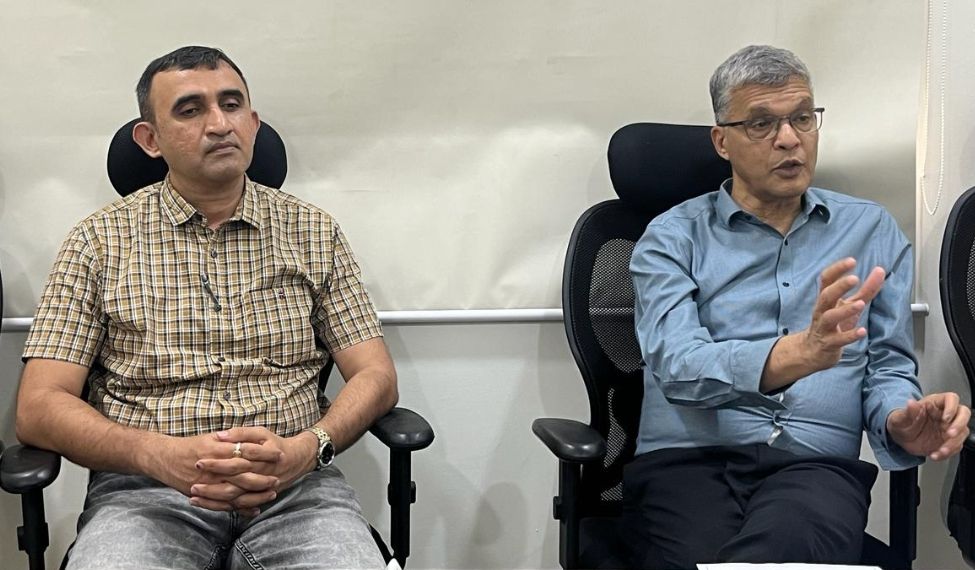
Dr Amit Rauthan, Head of the Department and Consultant Medical Oncologist, Manipal Hospitals said:
“In treating Diffuse Large B-Cell Lymphoma (DLBCL), providing the best possible treatment upfront can significantly improve the chances of cure with first-line therapy. Right diagnosis, proper subtyping and early initiation of advanced treatment options using monoclonal antibodies and antibody drug conjugates (ADCs) can not only enhance patient outcomes but also reduce the treatment burden in relapse settings, where salvage therapies are often costly and carry more side effects. Unfortunately, for patients in India who experience relapse or refractory (RR) DLBCL, prognosis is poor, and treatment options are limited.”

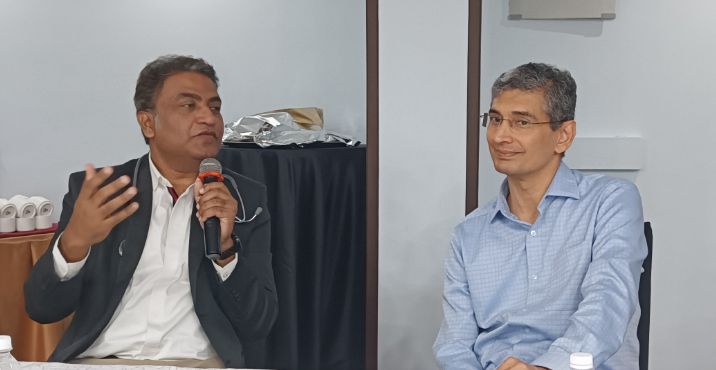
Dr Mallikarjun Kalashetty, Consultant Haematology, Haemato Oncology & Bone Marrow Transplantation, Manipal Hospital said: While blood cancers like DLBCL are highly treatable, delayed diagnosis and treatment often lead to poor outcomes for patients. Timely intervention is crucial. Innovative targeted therapies like Polatuzumab combined with chemotherapy have been a breakthrough in treatment, with clinical data showing that 77% of patients achieve two year progression free survival. This offers new hope, for a disease which has limited options after relapse or resistance to frontline therapy”

City Today News 9341997936
International Youth Day: Over 500 Chennai Students Join DKMS-BMST as Potential Lifesavers for Blood Cancer Patients

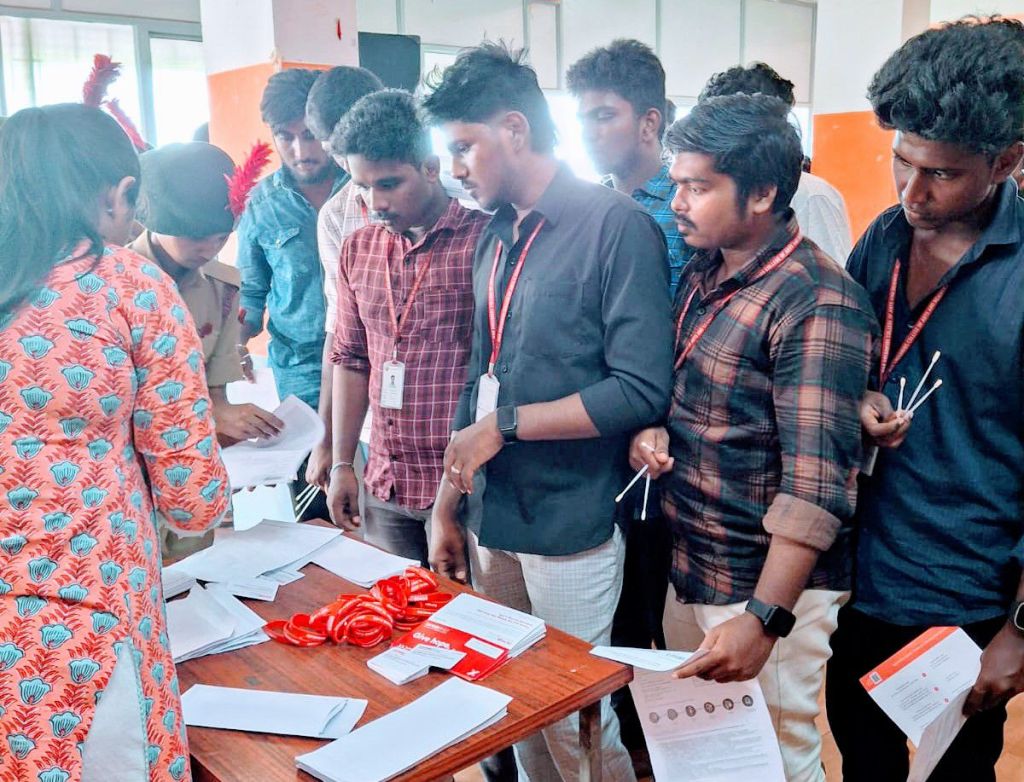
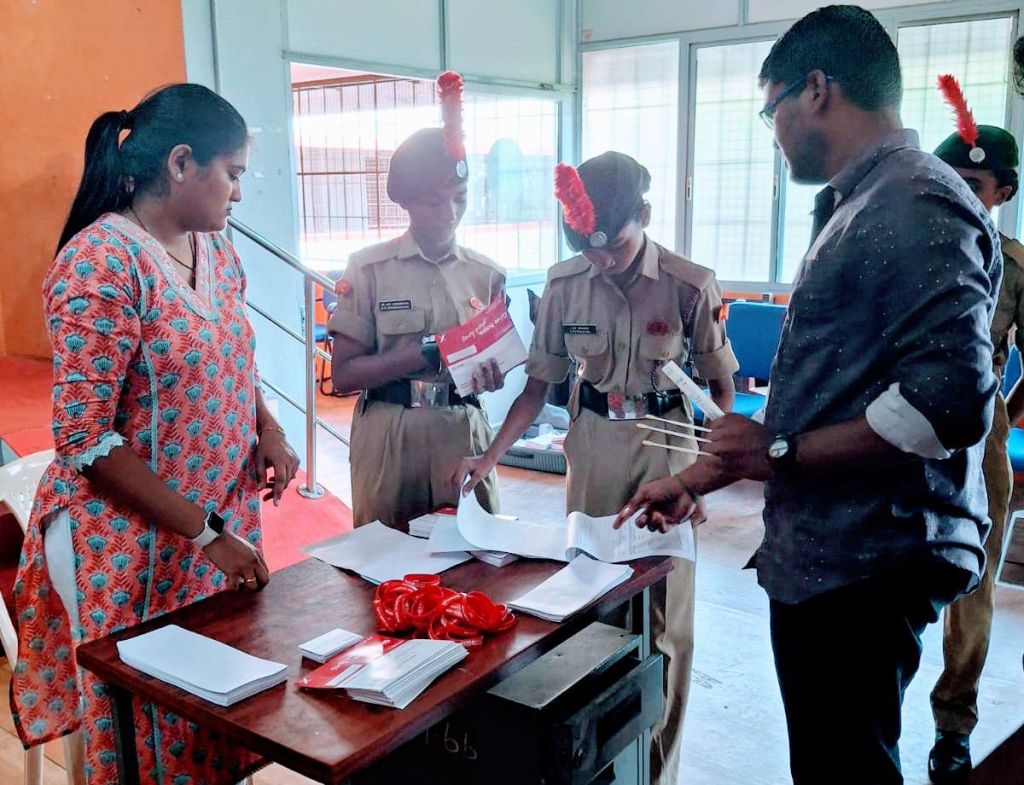
Chennai, August 09, 2024: DKMS BMST Foundation India, joined forces with five esteemed universities and educational institutions in Chennai, to organise a series of stem cell donor registration drives to increase the representation of Indian donors in the global registry. The initiative saw active participation from students who came forward to support the cause of stem cell donation in the fight against blood cancer and blood disorders.

The registration drives were held at Sri Sairam Institute of Technology, Madras Christian College, Annai Violet Arts & Science College, Madras School of Social Work, Mar Gregorios College. Through these drives DKMS-BMST aims to register potential stem cell donors across diverse regions and communities in India, particularly targeting the youth. These efforts aim to raise awareness about the critical need for HLA-matched stem cell donors, especially given the unique HLA characteristics of Indian patients, who are severely under-represented in the global database.

A whopping number of over 500 students, across all the universities, registered as potential stem cell donors. The registration process was simple and free, giving cheek swab samples for tissue typing (HLA) and filling out a form. The participants will be contacted if they are identified as potential matches for patients in need.

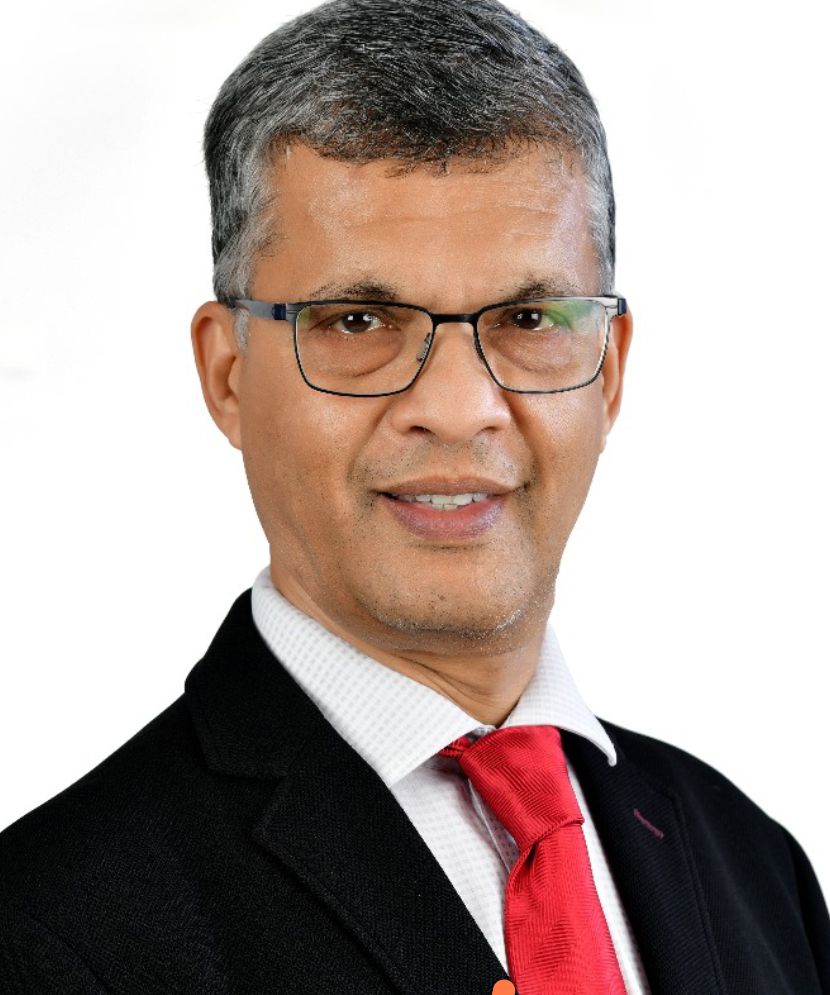
Patrick Paul, CEO, DKMS BMST Foundation India, emphasized the importance of these drives, “The success of stem cell transplantation hinges on dedicated donors and today’s youth has the potential to drive this social change. By working together, we can substantially impact the battle against blood cancers and other blood disorders. Finding matching blood stem cell donors is a major challenge for Indian patients needing life-saving transplants. With India having the youngest population, it is vital to motivate more individuals to register as stem cell donors. Their ongoing participation in the registry greatly enhances the likelihood of finding matching donors for patients waiting to undergo lifesaving stem cell transplantation.

In India, where over 70,000 individuals succumb to blood cancer annually, the need for a diverse pool of stem cell donors is urgent. Moreover, many blood cancer patients are children and young people whose only chance of recovery is a stem cell transplant. A successful blood stem cell transplant needs a perfect HLA (Human Leukocyte Antigen) tissue match. There are many HLA characteristics that exist in millions of combinations. Patients and donors of Indian origin have unique HLA characteristics that are severely under-represented in the global database, which makes the probability of finding a suitable donor even more difficult.

Only about 30% of the patients in need of a stem cell transplant as a lifesaving treatment, can find a sibling match. The rest 70% depend on finding a matching unrelated donor. Hence, there is a need for increased and continuous awareness among the people about blood stem cell registration and donation so people can register themselves. DKMS aims to raise greater awareness about blood stem cell donation through such student registration drives in India.

One of the student volunteers said “These drives are a testament to the power of collective effort in making a significant impact on the lives of those battling blood cancer and blood disorders. I am happy to have registered as a potential stem cell donor and will continue encouraging others to register as well. These drives show how today’s youth can come up in arms against such deadly diseases and step up to save those in need.”

To register as a potential stem cell donor, you must be a healthy Indian adult between 18 and 55. When you are ready to register, all you need to do is complete a consent form and swab the inside of your cheeks to collect your tissue cells. Your tissue sample is then sent to the lab to be analyzed for your HLA (Human Leukocyte Antigen) and listed anonymously on the international search platform for matching stem cell donors. If you’re eligible, register as a blood stem cell donor by ordering your home swab kit at http://www.dkms-bmst.org/register

City Today News 9341997936

Increasing number of women and young people falling victim to lung cancer: Doctors

BENGALURU / July 29, 2024: India is seeing an increase in incidence of lung cancer, especially among women and younger age group. This is due to more and more women taking up smoking in the country, and the rising habit of early-age smoking in the younger age groups. Cases of lung cancer are also increasing in non-smokers and light smokers due to rising pollution levels and passive smoking. This was said by doctors of Sammprada Multi-speciality Hospital, Bengaluru, ahead of the World Lung Cancer Day.

Said Dr. Radheshyam Naik, Consultant Medical Oncologist & Hematologist at Sammprada Multi-speciality Hospital: “Over 80% of lung cancers are related to tobacco smoking in its various forms. The risk increases with the duration of smoking and the number of cigarettes one smokes per day. Early-age smoking raises the risk substantially. Exposure to carcinogens like asbestos, in addition to smoking, also increases the risk of lung cancer several-fold. Other important risk factors include passive smoking which accounts for 5% of lung cancers. Pollution from traffic and burning fossil fuels indoors for cooking also cause lung cancer, especially among non-smokers.”

Said Dr. Shivacharan P.V, Consultant Medical oncologist, The incidence of lung cancer is 5.6 in 100,000 population. It accounts for 5.9% of all cancers and 8% of all cancer-related deaths. Lung cancer is traditionally the disease of 4th and 5th decade of life. The highest proportion of cases are recorded in the age group of 55 to 64 years. About 20-25 % of lung cancer patients survive for 5 years or more, while only 10-15% survive for 10 years or more. The associated morbidity and mortality can be reduced by early diagnosis.

Said Dr. Vinod K Ramani, Preventive Oncologist at Sammprada Multi-speciality Hospital: “Most cases of lung cancer are diagnosed in Stages III and IV when it is already in advanced state. Only 20-30% patients get diagnosed in Stages 1 and II. There are several reasons for this.

Said Dr.Vishwajeeth Pai, Consultant  Medical oncologist, A proportion of smokers have chronic bronchitis which is difficult to differentiate from cancer, and hence they present themselves late to a doctor. Many cases of lung cancer get mistaken for tuberculosis initially. There is also reluctance among Indians to get screened for cancer regularly.”

Talking about the main challenges in treatment of lung cancer, Dr Varun Kumar, Consultant Radiation Oncologist at Sammprada Multi-speciality Hospital, said: “Many lung cancer patients are smokers, alcoholics or elderly people, with compromised lungs, liver and heart. The toxicity associated with therapy can be substantial and many patients are unable to tolerate it. Cost of therapy, especially of newer treatments like immune therapy, targeted therapy and anti-angiogenic treatment, can also be an issue for many patients. The efficacy of therapy is reduced if the patient seeks treatment in advanced stages of the disease. Many patients are addicted to tobacco and continue their smoking habit even during treatment.”

Added Dr Ajay GV, Consultant Radiation Oncologist at Sammprada Multi-speciality Hospital: “To effectively tackle the challenge of lung cancer, there should be regular screening of smokers supported by quit-smoking programs organized by the government and civil society. There also needs to be a change in attitude of physicians who should treat every patient with lung problems as a potential cancer patient.”

City Today News 9341997936

DKMS-BMST Gets Grooving to Raise Awareness for Blood Cancer

The NGO hosted a flash mob ahead of World Blood Cancer Day encouraged people to register as blood stem cell donors

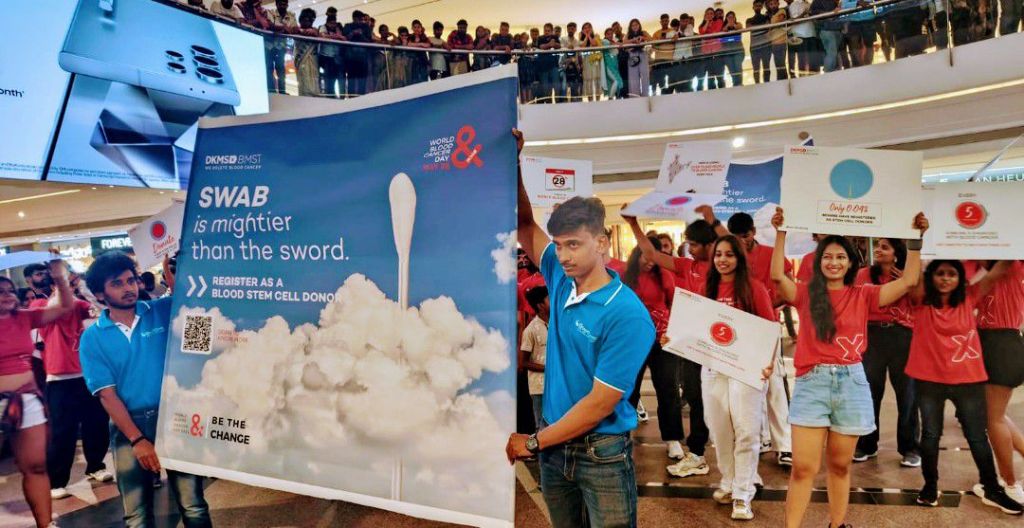
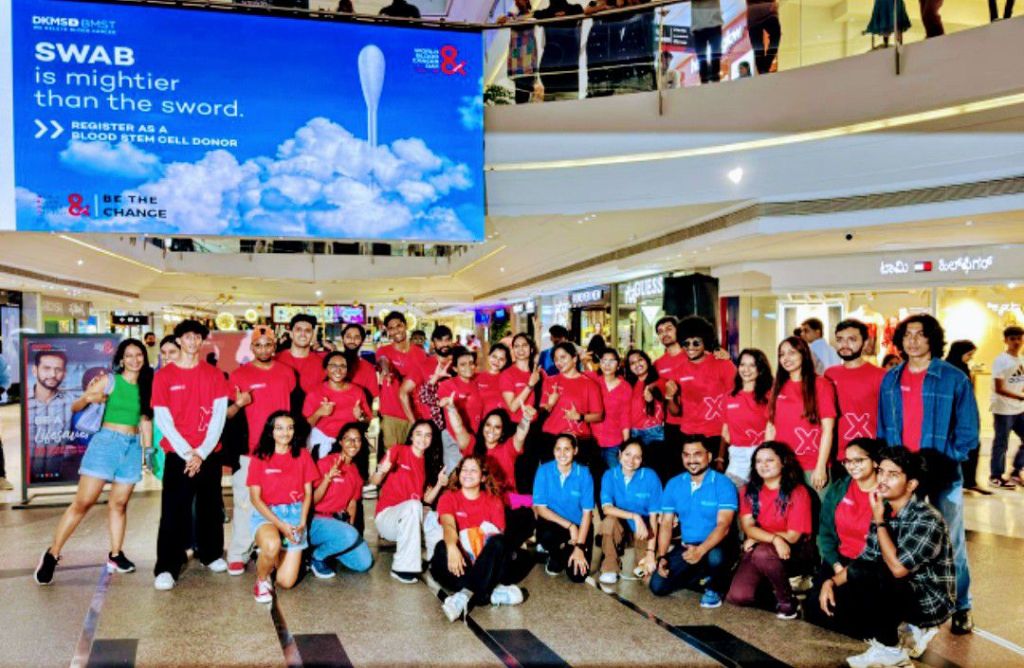
BENGALURU, May 27, 2024: To raise awareness about blood cancer, DKMS BMST Foundation India, a non-profit organisation committed to battling blood cancer and blood disorders, teamed up with “Good Move Wellness & Studio” to host a flash mob ahead of World Blood Cancer Day (May 28).

The flash mob comprising 50 participants stormed up a buzz in Koramangala’s Nexus Mall over the weekend. This increased the curiosity amongst the patrons and enhanced their knowledge about the burden of blood cancer in India and how we can help these patients. The two-day campaign also engaged members of the community with a quiz on blood cancer which doubled up as an educative tool on the subject. To further encourage people to join hands in the battle against blood cancer, a registration drive for potential blood stem cell donors was held at the venue by DKMS-BMST.

Patrick Paul, CEO, DKMS BMST Foundation India stressed the urgency of addressing the lack of awareness about blood cancer in India. He said, “In India, over 1 lakh people are diagnosed with blood cancer or a blood disorder each year, yet only 0.09% of the population is registered as potential stem cell donors. This severe shortage is particularly challenging because patients of Indian origin have unique HLA (Human Leukocyte Antigen) characteristics that are under-represented globally. With the help of initiatives like the flash mob and registration drives, we aim to educate and encourage more individuals to register as donors, thus enhancing our efforts in the battle against blood cancer.”

Janhvi Sharma, Founder, Good Move Wellness & Studio said, “When DKMS-BMST approached me about participating in the flash mob to raise awareness for blood cancer and commemorate World Blood Cancer Day, I felt truly honored. As the saying goes, ‘To watch us dance is to hear our hearts speak,’ – this sentiment echoed in my mind, thinking about the patients battling blood cancer and blood disorders, as well as those who have bravely faced this illness. I hope our small act in the form of dance showcases our support for this noble cause and more people will come forward to register as potential lifesavers. My group and I will also register as stem cell donors by providing cheek swab samples. It’s incredible to think that a few moments of our time can give someone a second chance at life! I appreciate the efforts of organisations like DKMS-BMST who are doing their best to help those in need.”

Every 5 minutes, someone in India is diagnosed with blood cancer or a blood disorder like Thalassemia or Aplastic Anemia. Many such patients are children and young people whose only chance of recovery is a stem cell transplant. For a successful stem cell transplant, the patient needs to find an HLA (Human Leukocyte Antigen) matched donor. Most often, the majority of the patients are unable to receive a transplant due to the unavailability of a matching blood stem cell donor. With very few individuals signing up as potential blood stem cell donors, finding a matching donor is difficult. This increases the need for more people of Indian ethnicity to register themselves.

To register as a potential stem cell donor, you must be a healthy Indian adult between 18 and 55 years of age. When you are ready to register, all you need to do is complete a consent form and swab the inside of your cheeks to collect your tissue cells. Your tissue sample is then sent to the lab to be analysed and listed anonymously on the international search platform for matching stem cell donors. If you’re eligible, take the first step to register as a blood stem cell donor by ordering your home swab kit at http://www.dkms-bmst.org/register

So far, DKMS-BMST India has registered over 1,00,000 stem cell donors in the country and facilitated 110 transplants since its inception in 2019, significantly impacting the fight against blood cancer. The organisation aims to register more donors in India to give a second chance at life to as many patients as possible.

City Today News 9341997936

7 lakh women diagnosed with cancer each year in India

Cancer is less amenable to preventive measures in women compared to men


BENGALURU / May 23, 2024: India sees 7 lakh new women patients of cancer each year, with more than one fourth of all cases involving breast cancer (28.8%), followed by cancer of cervix (10.6%), ovary (6.2%), uterus (3.7%) and lung (3.7%). Cancer ranks among top three causes of premature death among women worldwide, but the disease is less amenable to preventive measures in them compared to men. This was said by cancer specialists of Sammprada Hospital, Bengaluru ahead of the International Day of Action for Women’s Health.

Said Dr. Radheshyam Naik, Consultant Medical Oncologist and Hematologist & Bone Marrow Transplant Physician, Sammprada Hospital, Bengaluru: “India contributes about around 1.23 lakh cervical cancer and 1.44 lakh breast cancer cases every year. It accounts for nearly one-third of all global cervical cancer deaths. In recent years, breast cancer has surpassed cervical cancer in-terms of incidence and cause of death in the country.”

He added: “The state at which cancer is diagnosed is a crucial indicator of how effective early diagnosis and screening interventions would be. Unfortunately, majority of cases of breast cancer (57%), ovary (40.6%), and Cervix (60%) are diagnosed at a stage where the cancer has already spread to nearby lymph nodes, tissues, or organs.”

Dr. Vinod K Ramani, Preventive Oncologist  & Dr. Radheshyam Naik, Consultant Medical Oncologist and Hematologist & Bone Marrow Transplant Physician.

Talking about the importance of preventive measures against cancer for women, Dr. Vinod K Ramani, Preventive Oncologist, Sammprada Hospital, Bengaluru: “We recommend all women get themselves screened annually for six types of cancers, including that of breast, cervix, oral cavity, stomach, lung, and colorectal regions. It is important for women in the age group 9 to 15 years to undergo HPV vaccination and adult women to get themselves vaccinated against Hepatitis B virus. In addition, women should be screened for cancer biomarkers which enable early diagnosis, as well as for infections such as Helicobacter pylori, Hepatitis B and Hepatitis C. Women are also advised against using skin-lightening creams containing hydroquinone and cosmetic products containing parabens, as these can also lead to cancer.”

In India, 60% of breast cancer cases are diagnosed at stage III or IV of the disease. The survival rate of patients with breast cancer is poor in India compared to Western countries. India alone accounts for one-quarter of the worldwide burden of cervical cancers. It is estimated that cervical cancer will occur in approximately 1 in 53 Indian women during their lifetime, compared with 1 in 100 women in more developed regions of the world. Cervical cancer is the second most common cancer among women aged 15-44 years in India, with more than 3/4th cases diagnosed at advanced clinical stage with poor prospects of survival.

City Today News 9341997936