Sonic Solace: Sound Healing Session A Journey to Inner Harmony

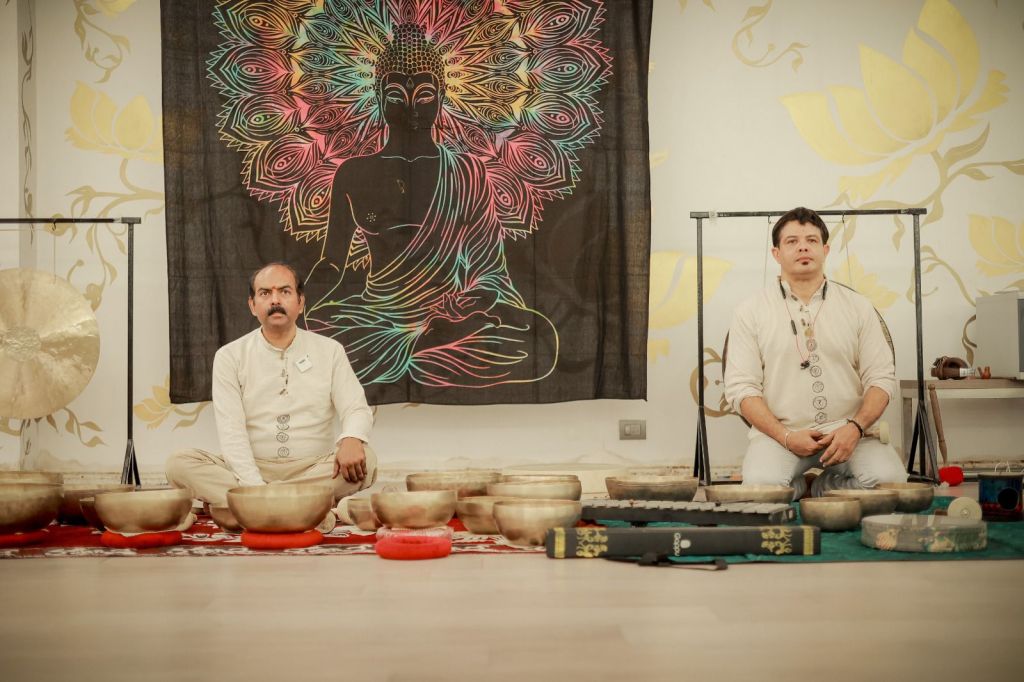
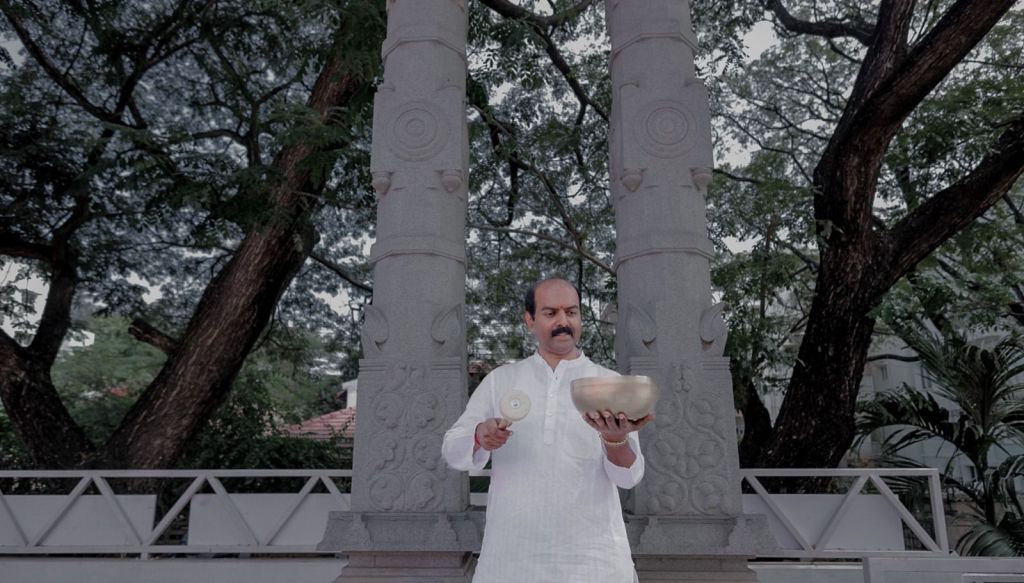
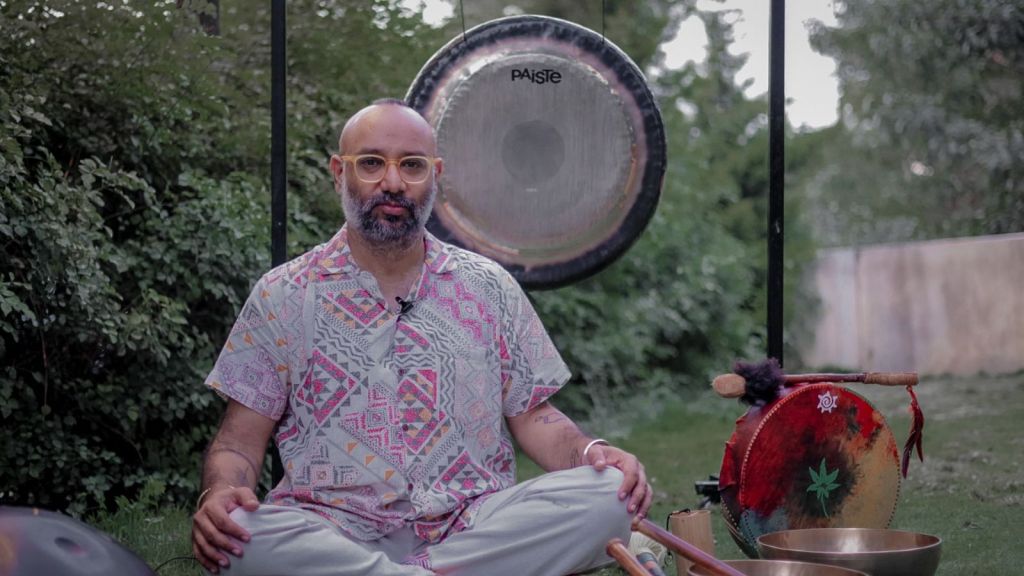
Bengaluru, August 14th  , 2024 – In a city that often moves at a relentless pace, Drum Events India, in collaboration with Prestige Centre for Performing Arts, is bringing a much-needed pause. Introducing Sonic Solace 5.0, a full-day sound healing workshop designed to transport you to a realm of tranquillity and rejuvenation.

On August 31st, from 10 AM to 5 PM, the Banquet Hall at Prestige Centre for Performing Arts, Kanakapura Road Bengaluru will be transformed into a sanctuary of sound. Under the theme “Find Harmony Within,” this immersive experience promises to heal the mind, body, and soul.
Led by a panel of renowned sound healers including Dr. Sham Rock, Shilpi Das, Justin Shon, Jeeth, and Meenakshi, the Face Yoga Expert, participants will embark on a transformative journey. Through the power of sound, attendees can expect to experience stress reduction, emotional balance, boosted immunity, and a profound sense of inner peace.

Limited to just few hundred participants, this exclusive workshop offers a unique opportunity to disconnect from the world and reconnect with oneself. The day will include a detoxifying welcome drink, a nourishing working lunch, and a culminating Cacao Ceremony.
Event Details:
• Date: Saturday, August 31st, 2024
• Time: 10 AM to 5 PM
• Venue: Banquet Hall, Prestige Centre for Performing Arts, Bengalurum Konanakunte
• Ticket Price: INR 2500 per person
• Age: 10 years and above
• Participant needs to carry their own yoga matt and shawl to cover them
• We shall provide Eye Mask
Experience the transformative power of sound. Let Sonic Solace be your path to harmony.

Don’t miss this chance to rediscover your equilibrium. Secure your spot now by booking your ticket on BookMyShow: https://in.bookmyshow.com/events/sonic-solace-sound-healing-session/ET00408018

City Today News 9341997936

8 Tips for a Healthy and Happy Pregnancy

Dr. Kavitha Kovi, Head of Department – Obstetrics & Gynaecology, Aster Women and Children Hospital, Bengaluru


women feel like they are on a roller-coaster ride during pregnancy, which starts from the moment they find out that they are pregnant until they hold their babies in their arms as well as even after giving birth. It can be overwhelming hence if you’re having some difficulties in feeling your best, always remember that you are not alone. It is normal for any woman to have different emotions during this period. Nevertheless, it need not be difficult.

Listed here are tips to help you radiate during pregnancy:

Planning Ahead for Labour: Striking a balance between planning and avoiding being overwhelmed with anxiety about what may happen is vital. Having an idea of what might occur can offer peace of mind. Preparing for labour means that you will be able to make smart choices that enhance good health, enabling you to surmount hurdles faced and decrease stress levels.

Getting a Massage: Releasing muscle tension through massage can alleviate some of the discomforts related with pregnancy; it has also been found effective in reducing postpartum depression in the long run.


Spending Time with Loved Ones: Spending time with people you love can help reduce anxiety and decrease stress levels. It can bring joy and laughter, improving your mood. Forming these connections can provide encouragement and support. Research has shown that women with healthy relationships adjust better when transitioning to motherhood.

Engaging in Mindfulness and Yoga: Meditation offers countless benefits, such as reducing stress, controlling anxiety, improving sleep, and managing pain. Practicing yoga promotes a positive outlook, creating self-awareness. This can help generate kind feelings towards yourself and others, and it can also help lower blood pressure.


Connecting with New Parents: Supportive, authentic friendships make a significant difference in happiness during pregnancy and the transition to motherhood. Communicating with another soon-to-be mother can help you relate and receive helpful tips. It provides comfort by connecting with someone who truly understands your experiences.

Exercise: Exercising can help lift your mood. It has been shown that exercising can reduce depression and anxiety. Working out release’s endorphins, which not only boost your mood but also help relieve pain. However, it is not necessary to do a super-intensive workout. It is advisable to consult a doctor before starting any exercise routine.


Eating Healthy: There are many benefits to eating healthy, including increased immunity and maintaining a healthy weight. Equally important is the increase in energy and the healthy nutrition that can nourish your body and your baby, helping you feel empowered.

Adequate Sleep: For pregnant women, it is recommended to have at least 8 to 10 hours of sleep per day. Poor sleep is linked to depression and weight gain. A lack of sleep can also make you cranky. Many pregnant women experience pregnancy fatigue, which can affect their mood. Therefore, getting good sleep is essential.

City Today News 9341997936

Tips for teenagers to manage intense menstrual pain

From cramps to mood swings, the monthly cycle brings its own set of discomforts making it a challenging experience for many women, particularly teenagers. Menstrual pain, or dysmenorrhea, is a common occurrence for many teenagers during their monthly cycles. However, there are ways to manage intense menstrual pain effectively, says Dr Prathima Reddy-Director & Lead Consultant, Department of Obstetrics and Gynaecology, SPARSH Hospital, Bangalore.

Here are some tips for youngsters to to effectively manage and alleviate menstrual pain.
#Stay Active: Engaging in light physical activity such as walking or gentle stretching ease menstrual discomfort by boosting blood circulation. This is also help in releasing endorphins-an hormone which serve as the body’s natural pain relievers.

#Healthy Diet: Consuming a balanced diet rich in fruits, vegetables, whole grains, and lean proteins contributes to overall menstrual well-being. Moreover, incorporating specific foods like ginger, turmeric, and omega-3 rich food known for their anti-inflammatory properties, may aid in alleviating menstrual discomfort.
#Hydration: Maintaining adequate hydration is crucial during menstruation as it can minimize bloating and relieve cramps. Consuming ample water helps in easing discomfort and ensuring the body remains hydrated.
#Heat Therapy: Using a heating pad or warm water bottle on the lower abdomen can offer considerable relief from menstrual cramps. Heat helps to relax the muscles and reduce tension, easing the pain associated with menstruation
#Relaxation Techniques: Practicing relaxation techniques such as deep breathing, meditation, or yoga can help reduce stress and tension, which may exacerbate menstrual pain. Incorporating these techniques into a daily routine can promote overall well-being.
#Quality Sleep: Getting an adequate amount of sleep is crucial for managing menstrual pain and overall health. Establishing a regular sleep schedule and creating a comfortable sleep environment can promote restful sleep during menstruation.
#Medication: Take medications only if the pain is intense and none of the above tips are not helping. If menstrual pain is severe or significantly impacts daily activities, it’s essential to seek medical advice. A gynecologist can evaluate symptoms, rule out underlying conditions, and recommend appropriate treatment options. It’s essential to consult and seek doctors advice before starting any medication regimen.
#Seek Support: Talking to friends, family members, or a healthcare provider about menstrual pain can provide emotional support and valuable insights into managing symptoms. Additionally, joining online support groups or forums can connect teenagers with others who may be experiencing similar challenges.
#Track Symptoms: Keeping track of menstrual cycles and associated symptoms can help teenagers identify patterns and better understand their bodies. There are several period tracking apps available that can help monitor menstrual cycles, symptoms, and overall health.

Remember that every adolescent’s experience with menstrual pain is different, so it is essential to find what works best for you and to prioritize self-care and well-being during your monthly cycle. Most importantly, parents should ensure they provide adequate emotional and mental support, serving as the core source of strength for their child during that time of the month, concludes Dr Prathima Reddy.

City Today News 9341997936

ALZHEIMER’S MYTHS DEBUNKED

ALZHEIMER’S MYTHS DEBUNKED

Dr Moumita Misra, Head- Lab Operations (Mumbai), Metropolis Healthcare

Named after German doctor Dr. Alois Alzheimer, Alzheimer’s Disease has become a disease of intrigue and ambiguity among the general population. It is the commonest cause of dementia, which can be loosely described as impaired memory leading to the inability to remember, think, or make decisions that interfere with everyday functioning. According to the Alzheimer’s Association, 10% of all people over the age of 65 and more than 50% of people over 85 have Alzheimer’s disease. In India, >8.8 million people are suffering from dementia, and the major cause is Alzheimer’s disease (a CSIR-National Institute of Science Communication and Policy Research study). Lack of accurate public knowledge and common myths surrounding the disease are mainly obstructing diagnosis, patient care, and adequate support. It is high time we address those misconceptions about Alzheimer’s as the expected global increase of dementia and AD by 2050 would be a whopping 166% as per the Global Burden and Disease Study with India having the second largest affected population.

Myth 1: Symptoms of Alzheimer’s are part of normal aging
Occasional memory problems are normal with aging. However, in Alzheimer’s disease, there is deposition of abnormal plaques or proteins in brain tissue leading to malfunction and ultimately degeneration of brain cells. This results in difficulty in performing daily tasks and progressive deterioration.

Myth 2: Dementia and Alzheimer’s are the same disease
Alzheimer’s is one of the causes of dementia. In fact, it is the most common cause of dementia (60-70%). However, dementia can also occur due to other reasons like head injury, repeated brain stroke, alcoholism, Parkinson’s disease, drug intoxication, vitamin deficiency, number of chronic infections, liver or kidney failure, genetic/degenerative disorders, brain tumors, etc.

Myth 3: Alzheimer’s means only memory loss
Alzheimer’s disease is not only about forgetting names and events. Although the symptoms may start with simply that with disease progression, it will gradually lead to increased confusion, withdrawal from social interaction, difficulty with language, emotional outbursts, hallucination, delusion, paranoia, anxiety, and many more complications

Myth 4: Alzheimer’s is a disease of developed Western nations
As per WHO, over 60% of dementia and Alzheimer’s cases are from low and middle-income countries. So, there is no reason to justify that myth. In fact, India is going to have a major share of global dementia and AD patients in the next 25 years as per estimation. As our life expectancy increases due to better health care, the prevalence of Alzheimer’s is also going to increase as it is primarily a disease of old age.

Myth 5: If my parents, grandparents, uncle, and aunt are having Alzheimer’s, I am also going to develop the disease
The risk of developing Alzheimer’s is more with a positive family history but there is no certainty in it. Not all patients with Alzheimer’s have any family history. Scientific studies have found some genetic correlation in many patients, but definite causation is yet to be discovered.

Myth 6: If I am forgetting things, I am having Alzheimer’s
Forgetfulness may be simply due to stress, vitamin deficiency, hormonal imbalance, chronic infection, and many other treatable causes. Please consult your doctor for a proper diagnosis

Myth 7: Flu vaccines can cause Alzheimer’s
Extensive studies have proven this myth to be completely false. Flu vaccines save thousands of lives every year and improve life expectancy, especially among the elderly population

Myth 8: Aluminium utensils can cause Alzhemimer’s
Research showed the presence of an increased amount of aluminum in the brain tissue of deceased Alzheimer’s patients, but a direct link between Aluminium and Alzheimer’s and the mechanism of disease causation has not yet been discovered.

Myth 9: Artificially sweetened drinks can cause Alzheimer’s
Although a direct link is yet to be found, artificially sweetened drinks for sure increase the risk of having brain stroke and thereby having more chance of developing dementia.

Myth 10: You can prevent Alzheimer’s disease with supplements
There are no scientifically proven drugs or supplements available to prevent, delay treat, or cure Alzheimer’s. However, maintaining a healthy lifestyle by controlling high blood pressure, maintaining a healthy weight, staying mentally and physically active, and sleeping 7-9 hours every night will help reduce the risk.

City Today News 9341997936

Young Thalassemia Survivor meets German Lifesaver, Emotions Run High

Roman travelled all the way from Germany to meet Chirag on World Thalassemia Day

Bangalore, May 08, 2024. In a heart-warming moment, 17-year-old Chirag, a thalassemia survivor from India, finally met the man who gave him a second chance at life his stem cell donor, Roman Simnizki from Germany. Chirag battled thalassemia, a genetic blood disorder that significantly impacts patients’ quality of life. For most of his childhood, Chirag had to endure fatigue and other health complications along with regular blood transfusions.

For ten years, his family tirelessly searched for an unrelated donor. Their efforts finally yielded results in 2016 when a perfect match was found Roman, a 29-year-old from Münsingen, Germany, through the DKMS database.

“Meeting Roman was an overwhelming experience,” shared Chirag. “Words cannot express how thankful I am for his selfless act. He didn’t just donate stem cells; he gave me a future.”

Roman, who travelled to India to meet Chirag, echoed the sentiment. “There’s no greater joy than knowing you’ve helped someone in need. Seeing Chirag healthy and full of life is the biggest reward.”

The emotional meeting, filled with gratitude and joy, marked the culmination of a life-changing journey for Chirag and Roman. Chirag, now free from the limitations of thalassemia, can dream of a bright future. Roman’s act of altruism, a simple cheek swab, and later blood stem cell donation, has demonstrably changed a life across continents. Chirag’s parents, who witnessed their son’s struggle and eventual recovery, expressed their heartfelt appreciation to Roman for his selfless act.

Chirag’s treating physician, Dr Revathi Raj, Paediatric Haematologist, Apollo Hospitals Chennai, said, “There is a significant burden of Thalassemia in our country, as more than 10,000 children are born with the disease every year. Beta-thalassemia major is a severe form of the disease that requires regular blood transfusions and, potentially, a stem cell transplant for a cure. I am happy that today Chirag is recovered and a bright future awaits him. I hope more people like Roman register as potential stem cell donors so more patients can undergo lifesaving stem cell transplants.”

In a stem cell transplantation, healthy blood stem cells from a matching donor are infused into the patient to help resume healthy blood production. The best stem cell transplant outcomes happen when a patient’s human leukocyte antigen (HLA) and the HLA of a potential donor. This is much more complex than matching blood groups. About 30% of patients find an HLA- matched donor within the family; however, the rest, 70% of the patients, have to look for an “unrelated” donor with matched HLA.

Talking about the DKMS-BMST Thalassemia program, Patrick Paul, CEO of DKMS-BMST, said, “To support Thalassemia patients in India, we have launched the DKMS-BMST Thalassemia program. Under this program, DKMS-BMST collaborates with local NGOs and transplantation clinics to organise camps where pediatric thalassemia patients and their families travel from far places, sometimes from very remote places in India, to give buccal swab samples for HLA typing. Samples from the camps are analysed in the DKMS laboratory based out of Germany and clinical matching reports of the same are provided. In cases where there is no HLA match sibling for a sick child, we also support unrelated donor searches for patients.”

“Donating blood stem cells is a voluntary act of solidarity with a seriously ill person. The availability of matching blood stem cell donors remains a significant challenge for Indian patients in need of life-saving transplants. India has a young population, so it is crucial to encourage more people to register as stem cell donors. Their continued participation in the registry significantly improves the chances of locating matching donors for patients requiring assistance,” said the spokesperson at the event, Dr. Sunil Bhat, Director & Clinical Lead, Pediatric Hematology, Oncology and Blood & Marrow Transplantation, Narayana Health.

Chirag’s journey serves as a beacon of hope for thalassemia patients and their families and highlights the impact of the DKMS-BMST Thalassemia program. It emphasises the critical role of organisations like DKMS-BMST in facilitating life-saving transplants and the profound impact of anonymous donors like Roman, who selflessly offer a chance at a healthier future.

To register as a potential stem cell donor, you must be a healthy Indian adult between 18 and 55. When you are ready to register, all you need to do is complete a consent form and swab the inside of your cheeks to collect your tissue cells. Your tissue sample is then sent to the lab to be analyzed for your HLA (Human Leukocyte Antigen) and listed anonymously on the international search platform for matching stem cell donors. If you’re eligible, register as a blood stem cell donor by ordering your home swab kit at http://www.dkms-bmst.org/register

City Today News 9341997936