Manipal Hospital Doctors Lead Awareness on Life-Saving Stroke Response — Recognize FAST, Act Faster.

Stroke Pe Rok – Recognize FAST, Act Faster

Bengaluru, 31 October 2025: Each year, millions of people across the world are struck by the sudden and life-changing effects of a brain stroke. Despite growing awareness, timely recognition of warning signs continues to remain a major challenge — a delay that can cost lives.

To address this gap, the “Stroke Pe Rok” awareness initiative has been launched, focusing on the importance of early recognition and immediate response to stroke symptoms. The campaign also highlights the transformative role of mechanical thrombectomy, a modern medical procedure that can significantly improve survival and recovery outcomes when performed on time.

Experts from Manipal Hospital, HAL — Dr. Ullas Acharya, Dr. Abha Verma, and Dr. Abhishek H.R. — stress that stroke can strike anyone, irrespective of age or background. They emphasize that rapid medical intervention within the critical window greatly increases the chances of full recovery and minimizes long-term disability.

The campaign encourages the public to remember the simple but powerful acronym F.A.S.T.:

Face Drooping: One side of the face appears to sag when smiling.

Arm Weakness: Difficulty in raising or maintaining one arm.

Speech Difficulty: Slurred or unclear speech.

Time: Call emergency services immediately.


This quick test serves as a vital tool in identifying stroke symptoms—it’s not just a reminder, but a race against time. The quicker a stroke is recognized, the sooner life-saving treatment can begin.

One such treatment, mechanical thrombectomy, is a minimally invasive procedure that removes the clot obstructing blood flow to the brain. When carried out promptly, it can drastically enhance recovery prospects and extend the treatment window beyond traditional methods.

The message of “Stroke Pe Rok” goes beyond awareness—it’s a collective call to action. Families, friends, and communities are urged to recognize the signs, respond swiftly, and ensure that patients get access to advanced treatment options without delay.

Because in the case of a stroke, every second truly matters. Recognize it FAST—and act even faster.

Issued in public interest by Medtronic, for general information and awareness only. This article is not intended as medical advice. Individuals should consult their physician for diagnosis and treatment of any medical condition.

City Today News 9341997936

“A Forgotten Nutrient That Supports Mothers After Childbirth”


Tocotrienols show promise in tissue repair, mood balance, and overall postpartum recovery.

By Vijay Thakkar, Author of Eating Less Is Making You Fat, Health Columnist

Recovering from childbirth demands careful attention to nutrition, rest, and emotional well-being. While protein, iron, Omega-3 fats, and antioxidants are well-known essentials, there’s one nutrient that deserves more recognition — tocotrienols, a potent and lesser-known form of vitamin E.

A Stronger Form of Vitamin E

Vitamin E occurs in two main types: tocopherols and tocotrienols. Most diets and supplements provide tocopherols, particularly alpha-tocopherol. However, research shows that delta and gamma tocotrienols offer stronger antioxidant, anti-inflammatory, and tissue-healing effects — qualities especially beneficial during postpartum recovery.

Why It Matters After Childbirth

Following delivery, a woman’s body undergoes intense physical repair. Microscopic tissue damage, hormonal fluctuations, and oxidative stress can trigger inflammation, fatigue, and mood changes. Tocotrienols may help reduce this inflammation, promote skin healing (useful for C-section scars and stretch marks), and support brain and immune health as the body regains balance.

Adding Tocotrienols to the Diet

Natural sources include palm oil, annatto seeds, rice bran oil, barley, and wheat germ. Among these, palm oil is the richest, containing much higher tocotrienol levels than other oils. Incorporating two to four teaspoons of palm oil daily or occasionally using rice bran oil can help increase intake safely through everyday meals.

Part of a Bigger Picture

Tocotrienols are not a replacement for essential nutrients like protein or Omega-3s, but they can complement them for a more holistic recovery. Combined with balanced nutrition, rest, hydration, and emotional support, they may help women heal more effectively after childbirth.

As science continues to explore their benefits, tocotrienols might soon find their rightful place among key nutrients for postpartum care — proving that sometimes, the most powerful remedies are the ones we’ve long overlooked.

City Today News 9341997936

India Adopts WHO’s Updated Influenza Vaccination Guidelines, Experts Call for Wider Coverage

India Aligns with Global Influenza Vaccination Shift, Experts Stress Preventive Action

WHO’s updated flu vaccine recommendation highlights urgent need to improve coverage in India

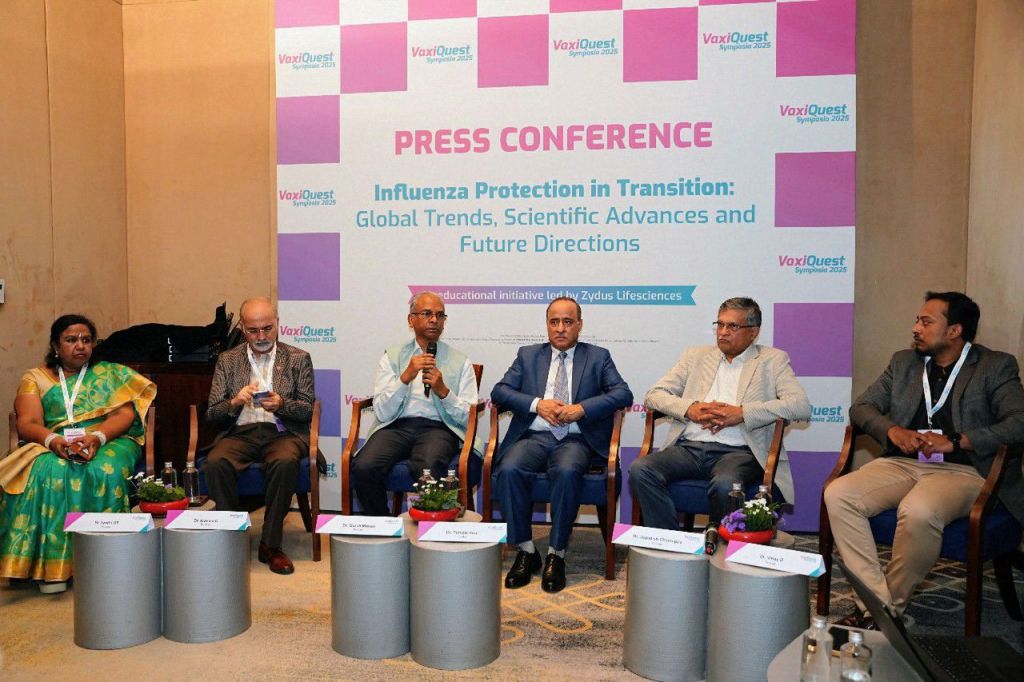
Bengaluru, August 23, 2025: Zydus Lifesciences Limited (including its subsidiaries and affiliates, hereafter referred to as “Zydus”), a global innovation-led lifesciences company, hosted a health symposium in Bengaluru to discuss India’s alignment with the World Health Organization’s (WHO) revised influenza vaccination guidelines for the Northern Hemisphere 2025–26 season.

Globally, influenza continues to be a serious public health challenge, claiming an estimated 400,000 respiratory and 300,000 additional lives annually. While nearly half of the population in the US and Europe is vaccinated against seasonal flu each year, India lags far behind, with coverage at less than 1.5%.

Dr. Sharvil Patel, Managing Director, Zydus Lifesciences, said:
“Prevention is the foundation of good health, and vaccines are central to protecting people and reducing the strain on healthcare systems. Influenza remains a recurring health concern, triggering seasonal outbreaks and complications among vulnerable groups. Timely vaccination is key to reducing infections, preventing severe disease, and safeguarding public health. At Zydus, we remain committed to advancing preventive healthcare and raising awareness on influenza vaccination.”

According to WHO’s latest recommendation, the B/Yamagata strain has not been detected globally since March 2020, making its inclusion in quadrivalent influenza vaccines unnecessary. The US CDC has already removed B/Yamagata from all influenza vaccines starting 2024–25, a move backed by global surveillance data to improve vaccine efficacy and production.

India’s National Centre for Disease Control (NCDC) has also advised adopting the updated WHO-recommended strains to reduce the burden of influenza and influenza-like illnesses, which significantly affect infants, the elderly, and those with chronic health conditions.

India faces influenza outbreaks year-round, with two major peaks during the monsoon and winter. Each year, the disease is estimated to cause around 127,000 deaths, of which 65% occur among people over 65 years, and 15–20% among children under five. Experts highlight the urgent need for annual vaccination of high-risk groups to lower mortality and disease severity.

As one of India’s leading flu vaccine manufacturers, Zydus has consistently promoted preventive healthcare and timely vaccination to protect vulnerable populations from influenza and related complications.

For more information, visit http://www.zyduslife.com

City Today News 9341997936

Experts, Activists Push for Mercury-Free Medical Devices to Protect Health and Environment

Bengaluru, Aug. 12, 2025 – Health experts, environmentalists, and consumer rights advocates have renewed calls to phase out mercury-based thermometers and blood pressure monitors in India, warning of severe risks to human health and the environment.

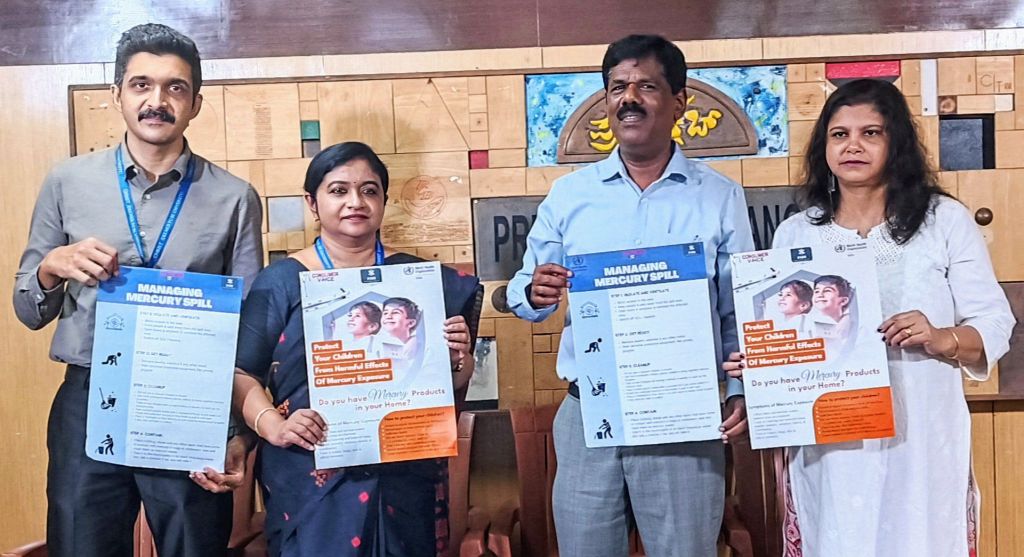
The appeal came at a panel discussion hosted by Consumer VOICE and the Foundation for Sustainable Health India (FSHI) at Christ (Deemed to be University), focusing on mercury’s toxic impact, particularly on children, pregnant women, and nursing mothers.

Mercury devices, safe only when intact, release harmful vapours if broken or discarded carelessly—contaminating air, water, and soil, and entering the food chain. Dr. Dennis Xavier of St. John’s National Academy of Health Sciences cited the Kodaikanal mercury contamination case to highlight the dangers and the need for safe disposal.

Under the Minamata Convention on Mercury, India is working with WHO to eliminate mercury devices, replacing them with digital or aneroid alternatives. The WHO lists mercury among the top 10 chemicals of major health concern, with even small exposures capable of damaging the nervous, digestive, and immune systems.

Speakers including Dr. Anil Joseph Pinto CHRIST (Deemed to be University), Dr. Lalitha (M.S. Ramaiah Medical College), Dr. V. Nagappa (former Karnataka State Pollution Control Board) and Dr. Anitha Varghese, CHRIST (Deemed to be University), stressed public awareness, strict waste management, and a rapid switch to safer devices.

Environmental activist Akshay Heblikar and Nilanjana Bose of Consumer VOICE urged households to adopt affordable mercury-free products, a transition already embraced by the healthcare sector.

“Every family’s choice to go mercury-free is a step towards protecting both health and the planet,” said S.J. Chander, CEO of FSHI.

City Today News 9341997936

Public Health Experts Push for Mercury-Free Medical Devices in India

SJ Chander: CEO of FSHI
Neelanjana: Consumer Voice Lead Health New Delhi
Dr Manoj : Assistant Professor Department of Chemistry, Christ University
Dr.Anitha Vergis: Head of the Department Chemistry, Christ University at press meet held at press club of Bengaluru

Bengaluru, India — Public health specialists, environmental advocates, and consumer rights groups have issued a strong call for the complete phase-out of mercury-based thermometers and sphygmomanometers in India, citing serious health and environmental hazards. The appeal came during a panel discussion hosted by Consumer VOICE and the Foundation for Sustainable Health India (FSHI) at Christ (Deemed to be University), Bengaluru.

Experts cautioned that while mercury devices are safe when intact, broken or improperly disposed of instruments release toxic vapours that can harm the lungs, kidneys, and nervous system, and contaminate the environment. Drawing lessons from the mercury contamination incident in Kodaikanal, Dr. Dennis Xavier, Professor and Head of Pharmacology at St. John’s National Academy of Health Sciences, stressed the dangers of mercury exposure and the importance of safe handling and disposal.

India, a signatory to the Minamata Convention on Mercury, is working with the Ministries of Health and Environment and WHO India to eliminate mercury-based medical devices and promote digital and aneroid alternatives. The World Health Organization ranks mercury among the top 10 chemicals of major public health concern, especially dangerous for children, unborn babies, and nursing infants.

A 2011 Toxics Link report estimated that around eight tonnes of mercury are released in India each year from medical measuring devices—69% from blood pressure monitors and the rest from thermometers—largely due to unsafe disposal.

Dr. Lalitha of M.S. Ramaiah Medical College warned that mercury exposure during pregnancy or lactation poses serious risks to future generations. Former Karnataka State Pollution Control Board officer Dr. B. Nagappa urged all healthcare facilities to strictly follow mercury spill protocols, train staff, and adopt safer alternatives.

Environmental activist Akshay Heblikar and Consumer VOICE’s Nilanjana Bose highlighted the need for households to follow the healthcare sector’s lead in switching to mercury-free devices, which are now accurate, affordable, and widely available.

“This movement empowers people to safeguard both public health and the environment,” said S.J. Chander, CEO of FSHI.

Understanding Mercury: Protecting Our Health and Environment
Date: 12th August, 2025
Venue: CHRIST (Deemed to be University)
Room no. 529, 5th floor, R and D block, Bangalore Central Campus

Registration& Tea  ; 10.00 am to 10.15 am
Inaugural Session: 10.15 am to 11. 00 am
Invocation: 
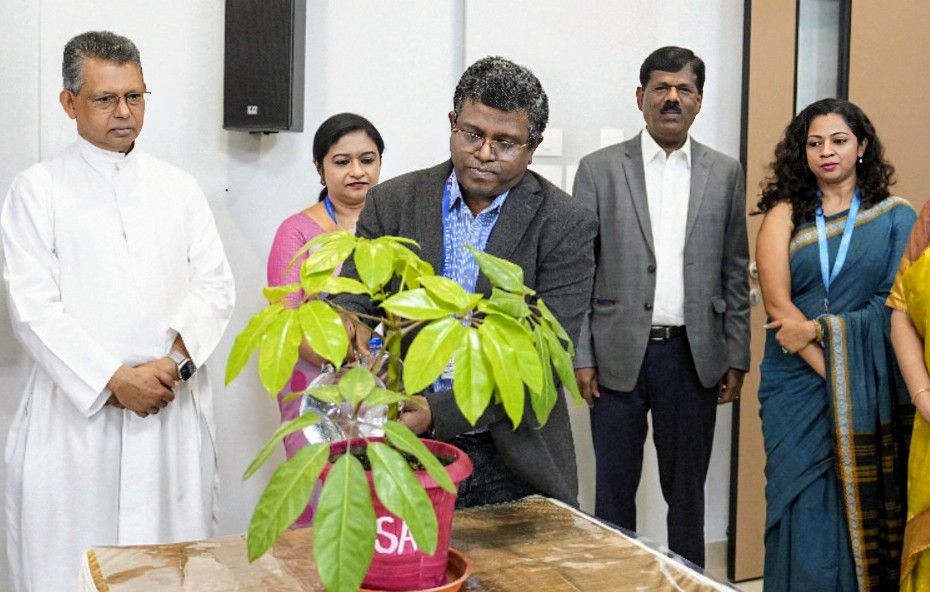
Watering the plants : Dignitaries
Welcome Address: Dr. Anitha Varghese, HoD, Dept. of Chemistry,
Christ (Deemed to be University)
Opening Remaks:  Ms Anu Agarawal Consultant WHO India (tbc)
Setting the Tone:                            India’s Commitment to the Minamata Convention :
                                                           Ms Nilanjana Bose, Consumer Voice
Key note Address:                 Dr. Dennis Xavier, Prof. & HoD, Dept. of Pharmacology,
St. John’s National Academy of Health Sciences
Presidential Address:                    Dr. Anil Joseph Pinto, Registrar, Christ (Deemed be University)
Vote of Thanks:
Panel Discussion
11:15 – 12:30 PM
Moderator:
Dr. Manoj, Asst Prof. Dept of Chemistry, Christ (Deemed to be University)
Panellists
Public Health Challenges of Mercury
Dr Lalitha K. Prof and HoD. Dept of Community Medicine
M.S. Ramaiah University of Applied Sciences

Environmental Impact of Mercury and its prevention & mitigation
Mr. Akshay Heblikar, Director, Eco Watch

Challenges in disposal of Mercury
Dr. B. Nagappa, Former Senior Scientific Officer, KSPCB

Social Mobilization for Prevention
S. J. Chander, CEO, Foundation for Sustainable Health India (FSHI)

Q&A Session
Concluding Remarks by Moderator
Pledge: Commitment to Use Mercury-Safe Products
All Participants

City Today News 9341997936