
Happiest Health chairman calls for financial incentives for ethical medical practice, preventive healthcare coverage and stronger patient data protection
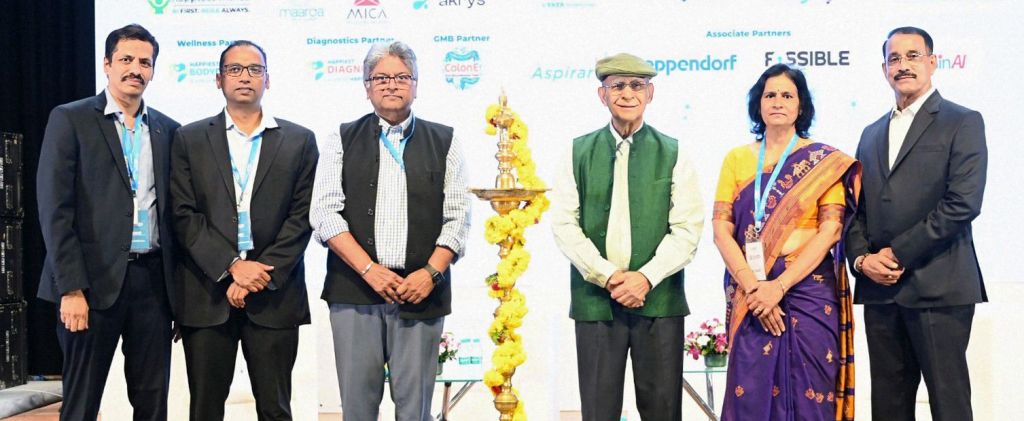
Bengaluru, November 19: Calling for a major overhaul of India’s private healthcare system, Happiest Health Chairman and Chief Strategy Officer Ashok Soota has proposed making doctors full-time salaried employees with equity participation in hospitals instead of engaging them as independent contractors paid for consultations and procedures.
Speaking at the two-day summit, Reimagining & Reforming Healthcare in India, organised by Happiest Health at St. John’s Auditorium in Bengaluru on Thursday, Soota said the existing payment structure in private hospitals could encourage unnecessary tests, procedures and hospital admissions.
“Doctors are the most important people in ensuring patient care, safety and satisfaction. Yet, in almost all private hospitals, they are the only ones working as contractors,” he observed.
He pointed out that when doctors’ earnings are linked to the number of consultations, scans, surgeries and procedures, it could influence clinical decisions. Even a small percentage of doctors being influenced by financial incentives could result in a significant number of unnecessary medical procedures, he cautioned.
Sharing a personal experience, Soota recalled how a cardiologist had recommended urgent surgery following a CT angiogram that indicated 50% blockage. However, a second medical opinion and subsequent stress test found that surgery was not necessary. He questioned how many patients could afford or access a second opinion before undergoing major procedures.
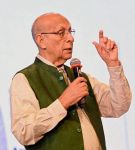
Soota said Happiest Health follows a different approach by employing doctors on a full-time basis, offering them equity participation and compensation packages reportedly 20% to 40% higher than their previous earnings. He acknowledged that the model involves higher costs but stressed that patient welfare should take priority over maximising profits.
Insurance must encourage early detection
Highlighting gaps in India’s health insurance system, Soota said patients often have to pay additional premiums for diagnostic scans and outpatient investigations, discouraging early detection.
He proposed introducing comprehensive insurance premiums covering physician-recommended diagnostic tests, while excluding unnecessary procedures such as full-body scans. He also urged corporate organisations to push insurance providers towards more preventive healthcare-focused policies.
Stronger data protection needed
On digital privacy, Soota stressed the importance of preparing for the Digital Personal Data Protection (DPDP) Rules, which are scheduled to come into full effect on May 13, 2027.
Happiest Health Chief Technology Officer Mythili Kandula said the company is translating the provisions of the Act into technical requirements and developing a consent management platform to give individuals greater control over their personal health information.
Describing compliance as a basic requirement, Soota cautioned healthcare organisations against delaying preparations, particularly with the growing use of artificial intelligence and emerging technologies.
Technology-driven healthcare transformation
Distinguishing between healthcare reform and reimagining, Soota said reforms should focus on improving existing systems and financial incentives, while reimagining healthcare would involve using technology to transform patient care.
A panel discussion on ethics, clinical protocols and outcome-based healthcare featured Dr Janhavi Nilekani, Founder and Chairperson of Aastrika Midwifery Centre; Jo Aggarwal, Founder and CEO of Wysa; and Dr Chandrika Kambam, Group Medical Director of Even Hospitals. The panel emphasised the need for stronger clinical protocols and ethical practices to improve patient outcomes.
Happiest Health recently launched Happiest Digital Health, its fifth business unit, with plans to introduce 11 applications over the next 18 months and invest ₹500 crore in technology over five years.
The company is also introducing a personal physician model under which patients will have access to doctors familiar with their medical history, supported by dedicated care coordinators known as Atithi Mitras.
The summit also features prominent speakers, including Nachiket Mor, Dr Devi Shetty and Sharad Sharma.
City Today News 9341997936


You must be logged in to post a comment.