
Over 10,000 wells already constructed across Bengaluru; Lalbagh assessment indicates a 3.98-metre rise in groundwater levels
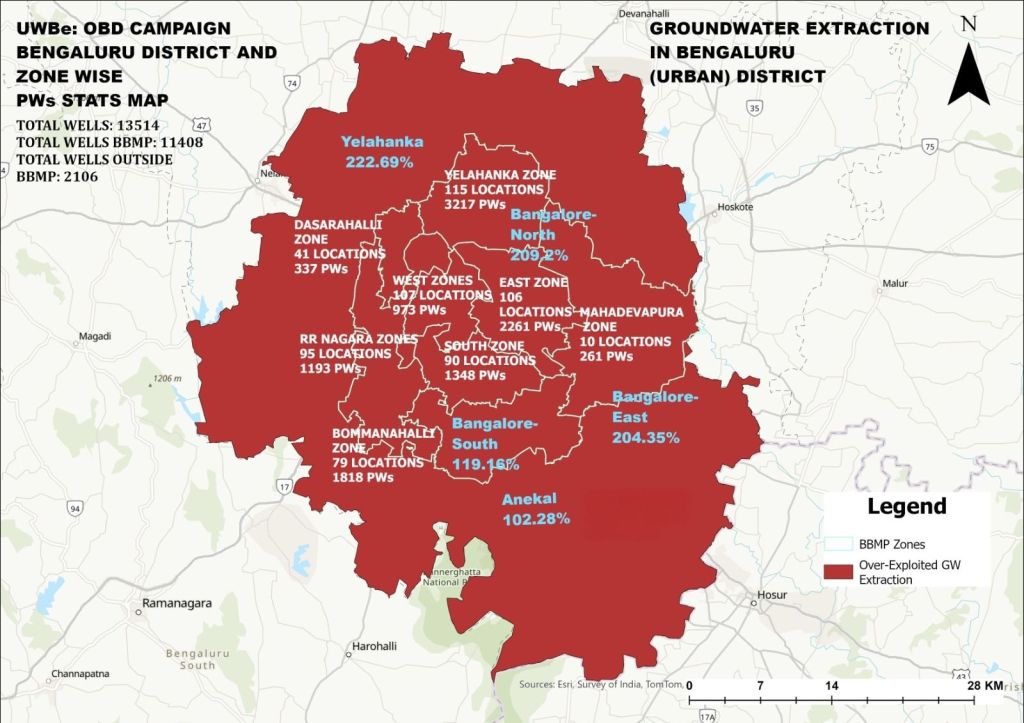
Bengaluru: With the city facing increasing pressure on its water resources, United Way Bengaluru has stepped up efforts to tackle the groundwater crisis through an extensive network of percolation wells. Having already constructed more than 10,000 wells across Bengaluru, the organisation has set an ambitious target of establishing another 30,000 to strengthen rainwater harvesting and replenish depleted groundwater reserves.
The initiative, being implemented in collaboration with the Department of Horticulture and the Bengaluru Water Supply and Sewerage Board (BWSSB), focuses on collecting rainwater and directing it into underground aquifers instead of allowing valuable rainwater to flow away through stormwater drains.
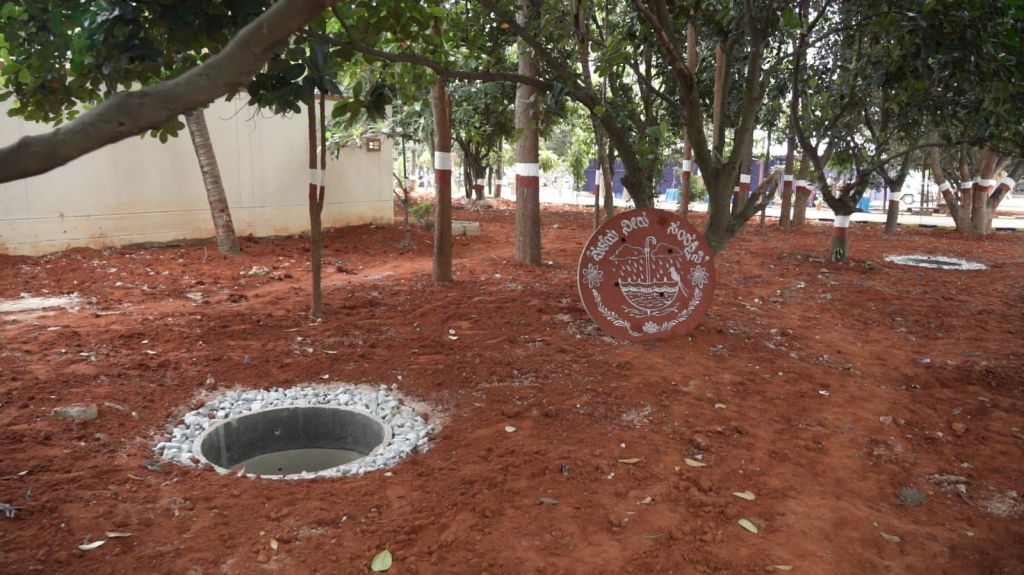
As part of the programme, suitable locations such as public parks and other open spaces are identified for constructing percolation wells. The objective is to make groundwater recharge a decentralised and sustainable component of Bengaluru’s long-term water management system.
An assessment of the Lalbagh micro-watershed has highlighted the potential impact of the initiative. A total of 440 percolation wells have been constructed in the area, forming part of a wider network that also covers Cubbon Park, Indira Gandhi Musical Fountain Park on Raj Bhavan Road and nearly 400 other locations.
According to the assessment, these structures have collectively helped capture an estimated 5.64 crore litres of rainwater. The intervention is reported to have contributed to an estimated 3.98-metre rise in the groundwater table in the shallow aquifer of the Lalbagh micro-watershed.
Another significant finding relates to groundwater extraction. The Stage of Groundwater Extraction (SOE), which measures groundwater withdrawal against available resources, reportedly declined from 103 per cent, indicating an over-exploited category, to below 70 per cent following the implementation of the recharge structures.
The estimated volume of water harvested is equivalent to the daily water requirement of approximately 4.17 lakh people, highlighting the importance of retaining rainwater within urban areas rather than losing it as surface runoff.
Similar results have also been reported in other parts of the city. Assessments in the Bommanahalli zone indicate an average groundwater-level increase of 1–2 metres in the sub-watershed, attributed to the percolation wells established in the surrounding areas.
The concept behind the initiative is straightforward but significant: capture rainwater where it falls and allow it to replenish underground water reserves. Percolation wells collect surface runoff and channel it into specially constructed underground structures, enabling gradual infiltration into the soil.
However, the success of such interventions depends on several factors, including soil conditions, geological formations, groundwater depth and the quality of water entering the recharge structures. Without proper planning and maintenance, the expected benefits may not be sustained.
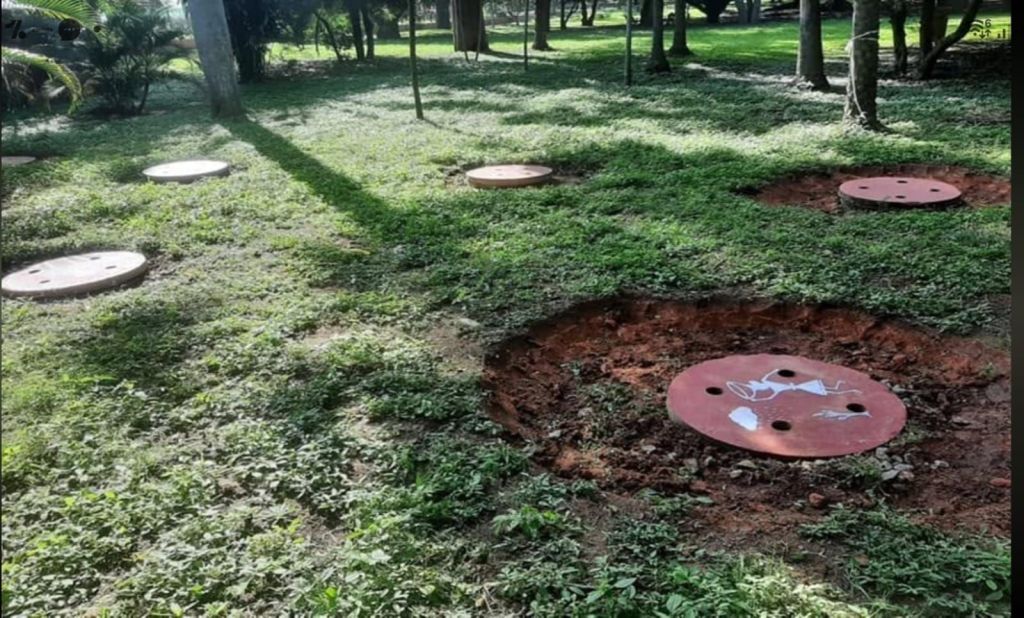
United Way Bengaluru is now planning to expand the network by constructing an additional 30,000 percolation wells across the city. The proposed expansion assumes greater importance as Bengaluru continues to face growing dependence on groundwater alongside mounting pressure on conventional water sources, including the Cauvery supply network.
The large-scale expansion will require scientific identification of suitable locations, systematic execution and regular maintenance. Equally important will be continuous monitoring of groundwater levels and water quality to establish the actual impact of the programme over time.
While percolation wells alone cannot resolve Bengaluru’s mounting water crisis, they can play an important supporting role in improving groundwater availability. Their impact would be more substantial when combined with rooftop rainwater harvesting, lake rejuvenation, protection of natural water channels and strict regulation of excessive groundwater extraction.
The initiative now faces the challenge of moving beyond individual parks and neighbourhoods to establish a citywide groundwater recharge network. The proposed 30,000 additional wells could mark a significant step towards improving Bengaluru’s water security, provided the expansion is backed by scientific assessment, transparent implementation and sustained monitoring.
Ultimately, the success of the initiative will not be measured merely by the number of wells constructed, but by how much groundwater is actually replenished and how effectively the city can protect its water resources for future generations.
City Today News 9341997936


You must be logged in to post a comment.