
BENGALURU: Repeated IVF failures should not mark the end of the road to parenthood, nor should they be addressed by simply repeating the same protocol, according to fertility specialists at Radhakrishna Multispeciality Hospital & IVF Centre, Bengaluru, speaking ahead of World IVF Day.

Drawing on more than 35 years of clinical experience, Medical Director Dr. Vidya V. Bhat noted that while in vitro fertilization (IVF) has helped millions worldwide, misconceptions remain widespread-most notably the belief that the procedure guarantees pregnancy.
“IVF is among the most effective fertility treatments available today, but it is not a guarantee of success,” said Dr. Bhat. “Every embryo does not implant, and every IVF cycle provides valuable clinical insights. Rather than viewing a failed cycle as the end of the journey, we must understand why it happened and use that knowledge to refine future attempts.”
Moving Beyond a “One-Size-Fits-All” Approach
According to current clinical guidelines, detailed medical evaluations are recommended after two or more unsuccessful transfers involving high-quality embryos. This diagnostic pause helps specialists identify underlying factors that may have been previously overlooked.
Successful implantation relies on a complex interplay of variables beyond embryo quality, including:
* Uterine & Pelvic Health: Fibroids, endometrial polyps, chronic inflammation, and endometriosis.
* Systemic & Metabolic Conditions: Thyroid disorders, uncontrolled diabetes, and broader hormonal imbalances. * Paternal Factors: Sperm DNA fragmentation, which may go undetected in routine semen analyses.
“Fertility is never a woman’s responsibility alone,” Dr. Bhat emphasized, urging comprehensive diagnostic testing for both partners to maximize outcomes.
Lifestyle Factors & Precision Medicine
While maternal age remains a critical factor in embryo viability, specialists stress that adjustable lifestyle variables play a major role in overall egg and sperm quality. Weight management, a balanced diet, consistent sleep, regular exercise, and avoiding tobacco and excessive alcohol can measurably improve results ahead of a cycle.
Concurrently, advances in reproductive science are shifting the field toward precision medicine:
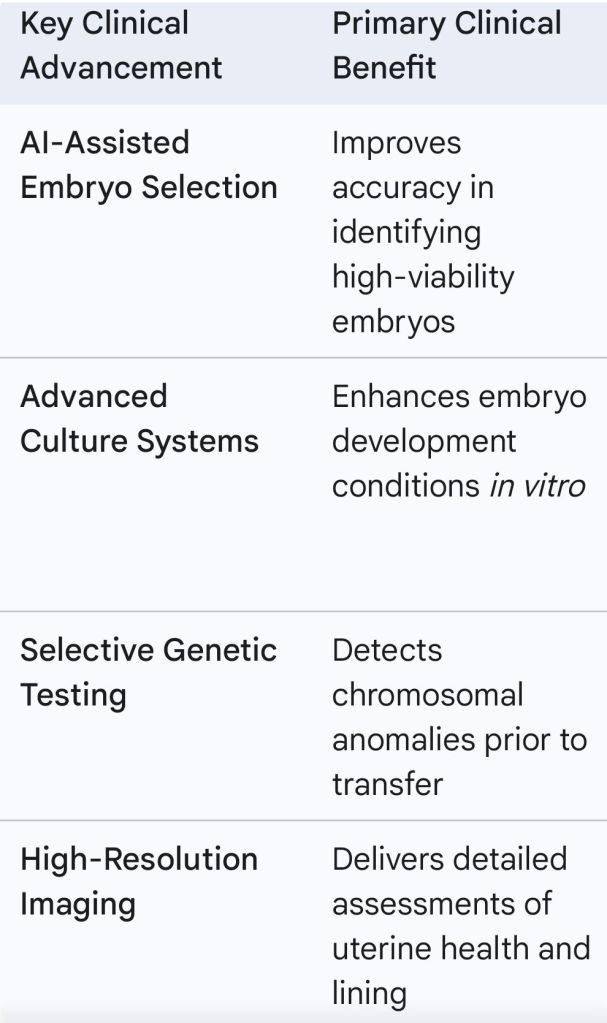
The Value of a Strategic Pause
Dr. Vibha Bhat, Consultant Gynaecologist and Infertility Specialist at the hospital, advised couples against rushing immediately into another cycle following an unsuccessful transfer.
“A brief pause allows us to thoroughly review previous treatment data, reassess embryo and sperm quality, evaluate uterine receptivity, and correct metabolic or hormonal imbalances,” Dr. Vibha Bhat explained. “Repeating the exact same protocol without identifying the root cause of failure often yields the same outcome.”
Reassuring couples facing recurrent failure, Dr. Vidya V. Bhat concluded that advances in personalized care continue to turn difficult cases into successful pregnancies.
“Recurrent IVF failure is often the exact point where we ask better questions, make more informed decisions, and find better solutions,” she said. “With modern reproductive medicine, there is every reason to remain hopeful.”
City Today News 9341997936


You must be logged in to post a comment.